
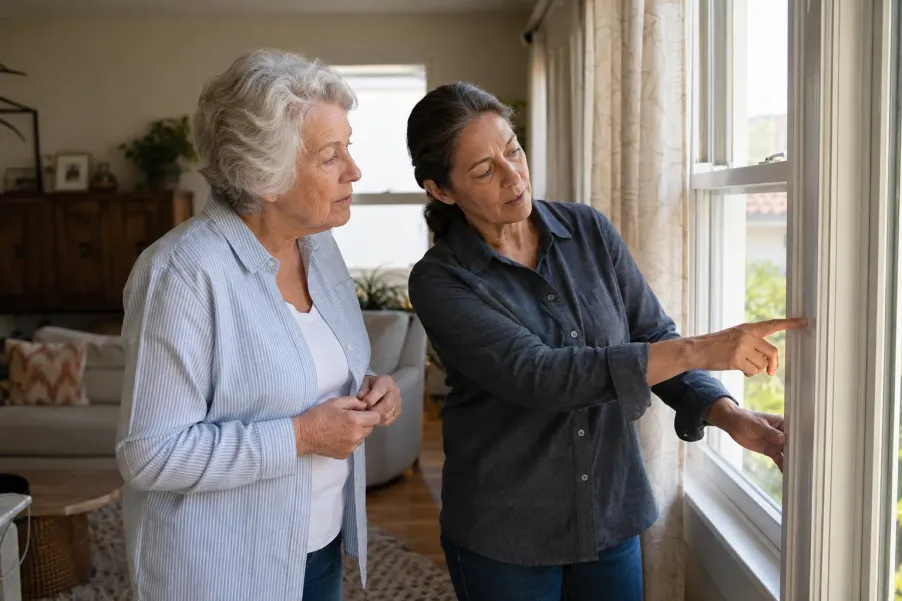
Prepare for a home energy assessment by confirming who is coming and what the visit includes, gathering recent utility bills and a short list of comfort concerns, and clearing only safe access to rooms and equipment. During the visit, ask the assessor to explain each test, then request a prioritized written report before deciding whether to buy any improvement.
What should a useful home energy assessment give you?
- A clear picture of where the home may be losing energy or creating comfort problems, based on observation and appropriate testing.
- A written list of findings and recommended improvements, organized by safety, comfort, likely value, or another explained priority.
- Enough detail to separate the assessment from a later repair purchase and compare proposals without pressure.
- A record of what was inspected, what could not be reached, and which questions still require the utility, landlord, contractor, or building manager.
A home energy assessment, sometimes called a home energy audit or home performance assessment, is a structured look at how a home uses energy and where comfort, air leakage, insulation, or equipment issues may deserve attention. It can be a simple walk-through or a more detailed professional visit with diagnostic testing. The exact scope depends on the assessor, program, home, and reason for the visit.
For an older adult, good preparation is less about doing technical work and more about making the visit understandable and safe. A few accurate notes can help the assessor focus on the rooms and patterns that matter. A clear boundary between evaluation and sales can also protect the household from rushed decisions.
What is the purpose of a home energy assessment?
The U.S. Department of Energy explains that a professional assessment is more detailed than a basic do-it-yourself walk-through. ENERGY STAR describes a typical assessment as a combination of a homeowner interview, review of energy bills, visual evaluation of the home and mechanical systems, safety checks or diagnostic tests, and prioritized recommendations. Not every visit includes every step, so ask what your appointment covers.
An assessment should help answer specific questions. Why is one room much hotter in summer? Are drafts concentrated around certain windows or doors? Does energy use change sharply during a particular season? Which improvement should be investigated first? The assessment does not, by itself, prove that every suggested repair is necessary or that a quoted savings amount will occur.
Define the result before the visit
A useful goal might be: “I want to understand why the back bedroom is difficult to cool, which findings are safety-related, which are comfort-related, and what information I should compare before approving any work.” This is more actionable than asking only how to lower a bill.
How do you confirm the assessor and appointment?
Start with the organization’s official website, customer account, or a phone number printed on a current statement. Confirm the date, arrival window, service address, company or program name, assessor identification method, expected length, cost, cancellation policy, and whether the visit includes testing, a written report, or a sales proposal. If a landlord or homeowners association controls part of the property, confirm who must authorize access.
Do not rely only on caller ID, a uniform, a vehicle, or a link in an unexpected message. If someone arrives without a verified appointment, keep the door closed and contact the known organization directly. The utility worker visit verification checklist offers a separate step-by-step method for handling an unexpected or uncertain visit.
Identity
Confirm the organization, assessor name if available, and the identification method you should expect at the door.
Scope
Ask which rooms, systems, tests, and documents are included and whether a written report is part of the visit.
Cost
Confirm the assessment fee, if any, and whether the assessor also sells or installs improvements.
Permission
Clarify whether the owner, tenant, building manager, or account holder must be present or provide approval.
What information should you gather before the visit?
Gather recent electricity and gas bills when they are available, ideally enough to show seasonal patterns. You do not need to hand over account passwords or unrelated personal records. A printed usage summary or downloaded billing history may be enough. Note how many people normally live in the home, usual occupied hours, and any major changes such as a new appliance, longer time at home, or a room that is no longer used.
Create a comfort-and-use snapshot in plain language. List rooms that feel too hot, cold, humid, stuffy, or drafty; when the problem occurs; whether doors or windows are difficult to seal; and any unusual sounds, odors, or visible moisture. Do not attempt to diagnose gas, electrical, mold, or structural problems yourself. Report an immediate hazard through the responsible emergency, utility, property, or professional channel.
- Two or three recent examples of the concern, with time of day and weather if remembered.
- The thermostat schedule and rooms that are regularly occupied.
- Any area the assessor should not enter without a family member, manager, or owner present.
- Past insulation, window, heating, cooling, roof, or air-sealing work that may affect the findings.
- Your main decision question, such as comfort, high seasonal use, or preparation for a future repair estimate.
How should you prepare the home safely?
Clear normal walking paths and remove small loose items from the areas the assessor said they need to see. Turn on ordinary room lighting and secure pets according to the appointment instructions. Make accessible keys or building permissions available only when they are genuinely required. If a trusted family member or helper will attend, agree in advance on who will ask questions and who may approve access.
Reasonable preparation
Move light clutter, identify problem rooms, make routine equipment areas visible, and keep a stable chair available for a longer conversation.
Ask for help
Arrange help for pets, stairs, translation, building access, or moving a small item that is awkward for you.
Do not do this yourself
Do not climb into an attic, enter a crawl space, move heavy furniture, open panels, disconnect equipment, or perform smoke or pressure tests.
If the visit may include a mechanical room, water heater, electrical service, attic, or crawl space, ask the assessor what they can inspect without you preparing that area. The home water shutoff valve check guide reinforces the same boundary: identify important household systems without creating a lifting, climbing, electrical, or confined-space hazard.
What may happen during the assessment?
The assessor may begin with questions about comfort, occupancy, and energy use, then visually examine the building envelope, windows, doors, insulation access, heating and cooling equipment, water heating, ventilation, and other relevant systems. Some professional assessments use tools such as a blower door or infrared camera to reveal air leakage or temperature patterns. Ask for an explanation before a test changes air pressure, requires a door setup, or affects combustion equipment.
Stay with the assessor or have an agreed adult present. Keep unrelated records, medication, valuables, and unlocked devices outside the work area. If photographs are needed for the report, ask what will be photographed and how the images will be used. The visit should remain within the scope you confirmed.
A calm opening script
“My main concern is that this room is difficult to cool in the afternoon. I have recent usage information and a short list of changes. Please explain each diagnostic test before starting it, tell me what could not be inspected, and provide recommendations in writing. I will review any repair proposal after the assessment.”
What questions make the visit more useful?
Ask the assessor to distinguish observations, measured findings, assumptions, and recommendations. A plain explanation such as “air leakage was measured around this opening” is more useful than a label without context. Ask which finding affects safety, which affects comfort, which may affect energy use, and what additional inspection would be needed before repair.
Also ask whether recommendations depend on one another. Air sealing, insulation, ventilation, and heating or cooling changes can interact, so the order may matter. Ask what permits, licensed trades, manufacturer instructions, or building approval a future project might require. Do not treat the assessor’s preferred contractor as your only option unless a specific program requires that path and you have verified the current terms.
How do you review the written report?
Read the report when you are not under time pressure. Confirm that it identifies the home, date, assessor, areas inspected, tests performed, inaccessible areas, findings, and recommendations. Look for a priority or rationale beside each recommendation. If projected savings appear, ask what energy price, weather, occupancy, equipment, and installation assumptions were used. Estimates are not guarantees.
Finding
What was observed or measured, and where? Is a photo, reading, or condition described clearly enough to understand?
Recommendation
What action is suggested, why is it prioritized, and does another professional need to confirm the scope?
Decision evidence
What cost, permit, warranty, contractor, disruption, and expected-result information is still missing before approval?
Keep the report with your bill summary and visit notes, but store account numbers and private household records securely. If another family member will help, share the decision points rather than an entire folder of personal information. The family care visit handoff note provides a concise way to record who will obtain an estimate, contact a building manager, or ask a follow-up question.
How should you decide what to do next?
Separate no-cost operating changes, maintenance, further diagnosis, and capital improvements. Some actions may be simple; others can affect ventilation, moisture, combustion safety, electrical capacity, or building rules and should be handled by qualified professionals. For paid work, obtain a written scope that names materials, responsibility, schedule, cleanup, permits, warranty, and total cost.
Do not approve a major project only because a discount expires that day. Compare the assessment with a separate written proposal, verify licensing where applicable, and ask how the result will be tested after installation. The home repair estimate guide explains how to compare scope and cost without turning an educational visit into an immediate purchase.
What should Los Angeles County residents know?
Programs and utilities differ across Los Angeles County. City of Los Angeles customers can review the Los Angeles Department of Water and Power Home Energy Improvement Program, which currently describes an application, an assessment by trained technicians, property-type conditions, and owner approval for tenants. Confirm current eligibility and steps directly with LADWP because program terms may change.
Residents served by another utility, renters, condominium owners, and people in managed senior housing should begin with the organization responsible for the exact address. All Seniors Foundation can help older adults and families navigate general support information, but it does not perform energy audits, verify private assessors, determine program eligibility, or guarantee savings. Browse the Senior Support Guides for related household planning resources.
Official home energy assessment sources
- U.S. Department of Energy: Consumer Guide to Home Energy Assessments for the purpose of DIY and professional assessments and considerations before hiring an assessor.
- ENERGY STAR: Home Performance Assessment for the interview, bill review, home evaluation, safety testing, and prioritized-recommendation sequence.
- U.S. Department of Energy Home Energy Score: Consumer Resources for qualified-assessor and report-review resources.
- Los Angeles Department of Water and Power: Home Energy Improvement Program for the current local program description, application route, and stated property and owner-approval conditions.
Assessment methods, fees, credentials, program eligibility, testing, and recommendations vary. Confirm the current scope for the exact home and provider. This guide does not promise savings or replace qualified safety, building, electrical, HVAC, or contractor advice.
Frequently asked questions
Do I need a full year of utility bills for a home energy assessment?
A longer billing history can help show seasonal patterns, but the assessor or program decides what is required. Bring the history you can access safely and ask whether a usage summary is enough. Do not share account passwords or unrelated financial information.
Should I climb into the attic before the assessor arrives?
No. Do not climb, enter a crawl space, move heavy objects, open electrical panels, or handle combustion equipment to prepare. Tell the assessor what access exists and let the qualified professional decide what can be inspected safely.
Does a home energy assessment require me to buy repairs?
No. An assessment and a repair decision are separate. Ask for findings and recommendations in writing, review assumptions, compare written scopes and costs, verify any required license or permit, and avoid approving major work under same-day pressure.
What tests might a professional energy assessor use?
Depending on the visit, an assessor may use visual inspection, bill review, a blower door, infrared imaging, or other diagnostic methods. Ask what each test does, whether it affects air pressure or equipment, and what the result means for your home.
Can a renter request a home energy assessment?
Rules depend on the utility, program, lease, and property. Some inspections or improvements require owner or manager approval. Confirm the current requirements for the exact address before scheduling or authorizing access to building systems.
How do I know whether an energy recommendation is worth pursuing?
Ask what was measured, why the action is prioritized, which assumptions support any savings estimate, and what installation, permit, maintenance, or follow-up testing is required. Compare written proposals and consider safety, comfort, cost, disruption, and uncertainty together.
Need help finding the right support route?
All Seniors Foundation can help Los Angeles County older adults and families navigate general support information while leaving technical findings, program eligibility, and repair decisions to the responsible provider or qualified professional.





