Before visiting a Los Angeles County cooling center, confirm that the site is currently open, ask about accessibility and personal needs, plan the coolest practical route, and bring only a small comfort kit. Keep a backup location and return ride ready because hours, activation status, seating, and site features can change during a heat event.
Key takeaways for a calmer visit
Verify on the same day
Use the current Ready LA County map or call 211. Confirm the address, hours, activation status, entrance, and any notes before leaving.
Plan door to door
Reduce time in direct sun. Arrange the ride, drop-off point, return trip, and a short wait plan rather than deciding each step outside.
Ask about personal needs
Check accessibility, seating, restrooms, water, charging, service animals, pets, language help, and refrigeration needs instead of assuming every site is identical.
Use a backup location
Save a second verified site or another air-conditioned public place. A backup prevents a closed door or changed schedule from becoming a long hot delay.
What does a Los Angeles County cooling center provide?
A cooling center is an air-conditioned public place where people can get out of dangerous heat. The current Ready LA County excessive heat page provides a map and list. It says listed centers are generally open to the public during posted hours and, unless a site note says otherwise, have functioning air conditioning, bathrooms, drinking water, and ADA accessibility. During specific heat events, the County or a city partner may operate an augmented cooling center with added or extended hours.
That description is a useful starting point, not a promise that every location has every feature at every moment. A library, park building, or community center may have different seating, entrances, pet rules, charging access, parking, and busy periods. The most important page-specific insight is simple: choosing the nearest dot on a map is only half of the plan. A workable visit also needs current hours, a manageable arrival route, a place to sit, and a reliable way home.
Cooling centers are not hospitals, clinics, shelters, or guaranteed overnight accommodations. Staff may be able to explain the facility, but they should not be expected to provide personal care, transportation, medical monitoring, or help with medications. All Seniors Foundation does not operate the County map or the listed sites. It can help qualifying Los Angeles County older adults and families organize questions and navigate community-support options.
How should you verify a cooling center before leaving?
Check the official listing on the day of the visit. Heat-event operations can change, and a normal public building schedule may differ from augmented hours. Ready LA County directs residents, including people with disabilities and access or functional needs, to call 211 for a local cooling center and referral information. The 211 LA cooling-center page also points people to operational locations and explains that heat-event activation can differ from ordinary facility hours.
First call: confirm the site
Ask: “Is this cooling center open to the public today? What time is the last entry? Which entrance should we use, and is there any closure or event we should know about?” Record the name of the facility and the time checked.
Second call: confirm personal needs
Ask only what matters for the visit: step-free access, elevator status, seating, restroom access, drinking water, charging, service-animal access, pet rules, refrigeration, language support, or a quiet place. If site staff cannot confirm, call 211 for another option.
Do not rely on an old screenshot, a forwarded social post, or a list saved from a previous summer. Search results can surface an outdated location page even when the official map has changed. If the older adult lives in the City of Los Angeles, Ready LA County also lists 311 and the City library information office as local information routes. Elsewhere in the county, the relevant city may publish its own current facility information.
What is a practical door-to-door cooling-center trip plan?
Choose the travel window
Leave before the home becomes uncomfortably hot and, when practical, avoid the hottest part of the route. Consider how long it takes to reach the vehicle, transit stop, or pickup area. Waiting on an exposed curb can undo the value of a short ride. If the person uses paratransit or another scheduled service, confirm both pickup windows before leaving.
Identify the exact entrance
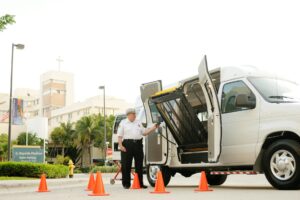
A large civic building may have several doors, stairs, or a parking structure. Ask which entrance is open and accessible. Choose a drop-off point with the shortest safe path and shade when possible. If someone is driving, agree whether the driver will park, escort the older adult inside, or return after confirming a seat is available.
Set a check-in time
Write down who will confirm arrival and who will check on the return trip. A simple call or text such as “Inside and seated” is enough. If calls sometimes fail, complete the family contact ring-through test before a heat event.
Keep a backup route
Save the address and phone number for a second currently verified center or another public air-conditioned location. Decide who can provide a backup ride. The plan should not depend on walking farther, waiting outdoors, or making several calls after discovering that the first site changed hours.
Plan the return home
Cooling off for a while does not fix an overheated home. Before returning, check whether indoor conditions are manageable, power is available, and a family member or neighbor can follow up. The emergency alert setup guide can help households receive local updates before the next heat period.
What should an older adult bring to a cooling center?
Bring a small, light kit that supports comfort without becoming difficult to carry. The goal is not to pack for an overnight stay. Use a crossbody bag, small tote, or rolling bag only if it is already comfortable and does not create a trip hazard.
- A filled reusable water bottle, unless a clinician has given different fluid instructions.
- A phone with enough charge, a short charging cable, and one written emergency contact.
- Necessary medication for the expected time away, kept in its normal labeled container.
- Glasses, hearing aids, mobility aid, and other everyday items needed to sit and move safely.
- A lightweight layer because an air-conditioned room may feel cool after arriving from outside.
- A small snack if appropriate, plus any personally required dietary item.
- The verified site address, hours, return-ride details, and backup location.
The CDC advises older adults to stay cool and hydrated, but individual medical instructions still matter. If a doctor limits fluids or gives special instructions for hot weather, follow that plan. Do not stop, delay, or change medication because of heat without speaking with the responsible clinician. The CDC also recommends planning for medicines that require cooling and for electronic medical devices during outages. Ask the site about refrigeration or charging before assuming those services are available.
Which cooling-center option fits the visit?
| Question | Good evidence before leaving | If the answer is unclear |
|---|---|---|
| Is the site operating today? | The current official listing shows hours, and a same-day call confirms the visit window. | Call 211 and select a currently verified backup. |
| Can the person reach the seat safely? | The entrance, drop-off point, step-free route, elevator status, and seating are understood. | Ask for a different entrance or choose a more manageable site. |
| Can the person remain comfortable? | Restroom, water, seating, noise, language, and companion needs have workable answers. | Shorten the visit or use a location better matched to those needs. |
| Is the trip home reliable? | The return pickup is confirmed, the phone is charged, and a check-in person knows the plan. | Do not begin a trip that could end in an outdoor wait without support. |
A site does not need to be perfect. It needs to be safer and more comfortable than remaining in an overheated setting, while matching the older adult’s mobility and support needs. If the trip itself creates a long exposure, ask 211 about a closer option or another cooling resource. For a broader heat plan, read the All Seniors heat safety guide. For a focused local-resource call, use the 211 LA call-preparation guide.
Common planning mistakes to avoid
Leaving without confirming hours
A familiar library may close early, use a different entrance, or not be activated for extended hours. Check the current official source and call when a failed trip would create risk.
Planning only the ride there
Return pickups can take longer than expected. Confirm the ride home and identify a shaded indoor waiting place before arrival.
Assuming every feature is available
Charging, refrigeration, pet access, quiet space, and staff assistance vary. Ask directly and use a backup site when a necessary feature cannot be confirmed.
Carrying too much
A heavy bag can make the walk and entry harder. Bring a compact personal kit and keep irreplaceable documents and unnecessary valuables at home.
When is cooling-center planning not enough?
A cooling center is for relief and prevention, not a substitute for emergency care. The CDC guidance for older adults explains that people age 65 and older are more prone to heat-related health problems and recommends prompt attention to symptoms. Call 911 for a life-threatening emergency, confusion, loss of consciousness, or another severe or rapidly worsening condition. Do not delay urgent care to finish a trip checklist.
If symptoms are mild but concerning, move to a cooler place, contact the appropriate health professional, and follow the person’s existing care instructions. The CDC heat-prevention page advises people not to stop or change medicines without speaking with a doctor and to plan for refrigerated medicines and powered medical devices. For help distinguishing emergency and non-emergency community routes, review emergency versus non-emergency senior help.
Frequently asked questions
Are Los Angeles County cooling centers free?
Los Angeles County and 211 LA describe cooling centers as public places for heat relief, and 211 LA lists the service as free. Verify the current site and hours before traveling because activation and operations can change.
Do I need to register before visiting a cooling center?
The County describes listed cooling centers as open to the public during posted hours unless a site note says otherwise. Check the current listing or call the site or 211 for any location-specific entry requirement.
Can I bring a service animal or pet?
Ask the specific site before leaving. Service-animal access and general pet rules are not the same, and some listings include special pet notes. Confirm the entrance and any carrier or leash requirement.
Will a cooling center charge my phone or refrigerate medication?
Some heat-event resources may offer charging or refrigeration, but those features should not be assumed at every location. Call ahead and arrange a backup for any powered device or temperature-sensitive medication.
What if I cannot get a ride to a cooling center?
Call 211 and explain the ZIP code, mobility needs, timing, and transportation barrier. Ask about the closest current option and other heat-relief resources. A referral does not guarantee a ride or a specific service.
Can All Seniors Foundation confirm which cooling center is open?
All Seniors Foundation can help qualifying Los Angeles County older adults organize questions and navigate resources, but the official County listing, the site, or 211 should confirm current activation, hours, and facility details.
Need help organizing a heat-relief plan?
All Seniors Foundation can help qualifying Los Angeles County older adults and families organize questions and navigate available community resources. We do not operate cooling centers or guarantee transportation, placement, or site features.
Primary sources
Current details were reviewed on August 11, 2026. Always recheck event-day information.