
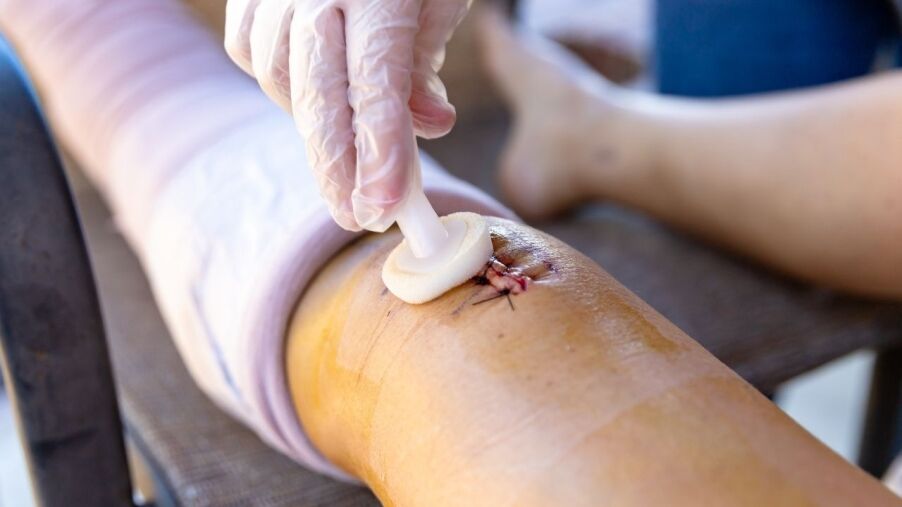
Wound care after surgery is safest when the patient and caregiver follow the plan provided by the operating team. A calendar or routine found online cannot tell you when a specific dressing should come off, when a drain is ready for removal, or how much activity is safe after a particular operation.
If this page conflicts with discharge paperwork or direct instructions, follow the surgical team and contact them. Do not start, stop, or change medicines, dressings, creams, supplements, activity restrictions, or drain care based on this page.
Your Discharge Instructions Are the Main Plan
Before leaving a hospital, surgery center, or clinic, make sure the patient or caregiver can answer these questions:
- Who should be called during office hours, after hours, and on weekends?
- How long should the original dressing stay in place, and what should trigger an earlier call?
- When and how should the dressing be changed, and which supplies are approved?
- When may the patient shower, bathe, swim, drive, lift, exercise, or return to therapy?
- Which medicines should be taken, which should be avoided, and whom should the patient call about side effects?
- Does the patient have stitches, staples, skin glue, adhesive strips, a drain, or a negative-pressure device that needs special instructions?
- When is the follow-up visit, and who will remove stitches, staples, or a drain if needed?
- Which symptoms require a routine call, an urgent call, or emergency care?
Ask for written instructions in the patient’s preferred language and use teach-back: explain the plan in your own words so the care team can correct misunderstandings before discharge.
A Simple Incision-Care Checklist at Home
- Read the written plan before touching the wound. Gather only the supplies the care team approved.
- Clean your hands before and after care. Family and visitors should not touch the incision or dressing.
- Keep the dressing as directed. Leave the original dressing on for the period stated by the surgeon. Contact the team if it becomes wet, loose, dirty, or soaked with blood or drainage.
- Look for change, not perfection. Compare the incision with the team’s description of expected healing. Note worsening redness, pain, swelling, bleeding, opening, odor, or drainage.
- Protect the closure. Do not pull stitches, staples, strips, glue, or scabs. Do not remove non-dissolving stitches or staples yourself.
- Keep the follow-up plan. A wound can need review even when the patient feels generally well.
Dressing Changes and Cleaning
MedlinePlus advises leaving the original dressing in place for as long as the surgeon says and changing it sooner if it becomes wet or soaked. The exact method and frequency depend on the operation, wound, closure, drainage, and product being used.
Clean the incision only when and how directed. When gentle rinsing or mild soap and water are allowed, avoid rubbing or scrubbing and pat the area dry. Do not use hydrogen peroxide, rubbing alcohol, iodine, powders, lotions, antibiotic creams, or other products unless the surgical team prescribed or approved them. These products are not interchangeable, and a product that is appropriate for one wound may be wrong for another.
If a dressing sticks, the wound bleeds, or the planned supplies are unavailable, call the team for instructions instead of improvising. A caregiver who was not trained in a dressing technique should ask for a demonstration or home-care support when available.
Showering, Bathing, and Water Exposure
There is no universal day on which every surgical wound may get wet. Timing can change with the procedure, closure material, waterproof dressing, drain, infection risk, and healing. Ask the surgeon when showering is allowed.
When the team has cleared showering, water is generally allowed to run gently over the area without scrubbing. Pat dry as instructed and replace the dressing if the plan requires it. Avoid baths, pools, hot tubs, and other soaking until the incision is healed or the surgeon says soaking is safe.
Stitches, Staples, Glue, and Adhesive Strips
Closure materials have different care and removal plans. Dissolving stitches may not need removal. Non-dissolving stitches and staples should be removed by a healthcare professional when the wound location and healing are ready. Skin glue and adhesive strips usually need to remain undisturbed until the team says otherwise or they release as expected.
Do not use an online timeline to remove a closure. Call the surgical team if a stitch or staple loosens, a strip or glue layer comes off earlier than expected, the incision separates, or pain, redness, swelling, bleeding, or drainage worsens.
If the Patient Goes Home With a Surgical Drain
A drain requires device-specific training. Follow the instructions demonstrated by the care team. Wash your hands, empty and measure output only as directed, record the amount and color, and secure the device so it does not pull on the skin.
Do not strip or milk tubing unless the team specifically taught you to do it. Do not use a general drainage number to decide when a drain should be removed; the surgeon makes that decision based on the procedure, output pattern, and healing. Call for a blocked, disconnected, leaking, pulled, or suddenly changed drain, or for any concern listed in the discharge plan.
Warning Signs: When to Call and When to Get Emergency Help
The CDC lists redness and pain around the surgical area, cloudy drainage, and fever among possible signs of a surgical-site infection. Other changes may matter, so use the thresholds and contact plan in the discharge paperwork.
Call the surgical team promptly for:
- worsening redness, warmth, swelling, tenderness, or pain around the incision;
- increasing drainage, thick or cloudy drainage, a bad smell, or a new change in drainage color;
- bleeding that soaks the dressing or does not stop as the team instructed;
- an incision that becomes larger, deeper, dark, unusually dry, or begins to open;
- fever, chills, or another symptom identified in the discharge plan;
- a loose closure, drain problem, medication reaction, uncontrolled pain, or uncertainty about the next step.
Call 911 for an emergency
Call 911 for severe trouble breathing, chest pain, fainting, new severe confusion, uncontrolled bleeding, signs of a severe allergic reaction, or another life-threatening emergency. Do not wait for a website response or use a routine contact form for urgent medical help.
Activity, Fall Safety, and Recovery
Movement, lifting, driving, exercise, weight-bearing, and therapy restrictions vary widely by operation and health status. Begin walking or moving only when the care team says it is safe, use prescribed mobility equipment, and ask for help if the patient feels weak, dizzy, sedated, or unsteady. Increase activity according to the individualized plan rather than a generic week-by-week schedule.
Keep needed supplies, water, medicines, lighting, and a charged phone within safe reach. Clear walking paths and avoid bending or reaching that conflicts with the surgical restrictions. For background on age-related healing factors, read why wounds may heal differently after age 65.
Medicines, Antibiotics, Food, and Supplements
Take prescribed medicines exactly as directed. Many patients do not need an antibiotic after discharge. If one is prescribed, take it exactly as instructed, do not share it, do not save it for later, and do not restart leftovers. Ask the prescriber or pharmacist before changing or stopping it and report side effects.
Eat enough food and include protein-rich foods when allowed by the discharge diet. Ask the surgical team or a registered dietitian for individualized advice if intake is poor or the patient has kidney disease, diabetes, fluid limits, swallowing difficulty, or unintentional weight loss. If the patient has diabetes or uses glucose-lowering medicine, follow the monitoring and target plan provided by the surgical or diabetes team.
Do not start high-dose vitamins, minerals, zinc, collagen, protein powders, vitamin E products, or herbal supplements for wound healing unless a clinician recommends them. Supplements can cause harm or interact with prescription medicines, and there is no universal wound-healing dose.
Wound Photos and Health-Information Privacy
Photograph the incision only if the surgical team asks or if a picture is needed to document a change for them. A photo does not replace an urgent call about bleeding, wound opening, severe pain, fever, breathing difficulty, or another concerning symptom.
If a photo is sent, use the secure portal or channel approved by the healthcare provider. Avoid including a face, name, address, medication label, or other unnecessary identifier. HHS notes that health information entered into many personal-use apps may not be protected by HIPAA unless the app is provided by a covered healthcare organization or its business associate.
Medicare and Cost Questions
Medicare says Part B covers medically necessary treatment of a surgical or surgically treated wound. That does not mean every over-the-counter supply, dressing product, home health visit, or device is automatically covered. Cost and coverage can depend on the item or service, medical necessity, clinician order, care setting, supplier, assignment, and other insurance.
Before buying supplies or scheduling services, ask the surgeon or wound-care provider what is ordered, whether a Medicare-enrolled supplier is required, and what the patient may owe. Confirm questions with the health plan or 1-800-MEDICARE.
Related Guides and Los Angeles Support
- General wound-care guidance for understanding different wound types and basic safety.
- What wound drainage may mean and questions to ask when a wound is weeping.
- Home health care support in Los Angeles, with eligibility and availability confirmed case by case.
All Seniors Foundation can help an older adult or family in Los Angeles County organize questions and find the appropriate service or official resource. We do not diagnose an infection, set a surgical plan, remove closures or drains, prescribe products, guarantee home health coverage, or replace the operating team.
Common Questions About Wound Care After Surgery
How long should the original surgical dressing stay on?
Leave it in place for as long as your surgeon says. Contact the surgical team if it becomes wet, loose, dirty, or soaked with blood or drainage, or if you do not have clear instructions. Dressing timing varies by operation, closure, and healing.
When can I shower after surgery?
Ask your surgeon because timing varies by procedure, closure, dressing, drain, and healing. When cleared, let water run gently over the area, do not scrub, and pat dry. Avoid soaking, swimming, and hot tubs until your surgeon says they are safe.
Should I clean a surgical incision with peroxide or alcohol?
Do not use hydrogen peroxide, rubbing alcohol, iodine, powders, lotions, or ointments unless your surgical team specifically directs you. Clean the incision only when and how your written discharge instructions say.
Can I remove my own stitches or staples?
No. A healthcare professional should remove non-dissolving stitches or staples when the location and healing are ready. Do not pull at them. Call your surgical team if one loosens, falls out, or the incision begins to open.
What incision changes should I report to the surgical team?
Report worsening redness, pain, warmth, swelling, bleeding, wound opening, increasing drainage, thick or cloudy drainage, a bad smell, fever, or any change listed in your discharge instructions. Use the team’s urgent or after-hours number when directed.
Should I take vitamins, zinc, or collagen to help a surgical wound heal?
There is no universal supplement dose for surgical wound healing. High-dose vitamins, minerals, collagen, protein powders, and herbal products may be inappropriate for some people or conflict with medicines and the treatment plan. Ask your surgeon, pharmacist, or registered dietitian before starting one.
Official Sources
- MedlinePlus: Surgical wound care—closed
- CDC: Surgical-site infection basics
- American College of Surgeons: Wound Management Home Skills Program
- American College of Surgeons: Surgical drain guidance
- American College of Surgeons: Nutrition and surgery
- CDC: Antibiotic do’s and don’ts
- NIH Office of Dietary Supplements: What you need to know
- HHS: Protecting health information on a personal phone or tablet
- Medicare: Surgical dressing services
Medical notice: This page is educational and does not replace instructions from a licensed clinician who knows the patient and procedure. For an emergency, call 911 or go to the nearest emergency department.





