
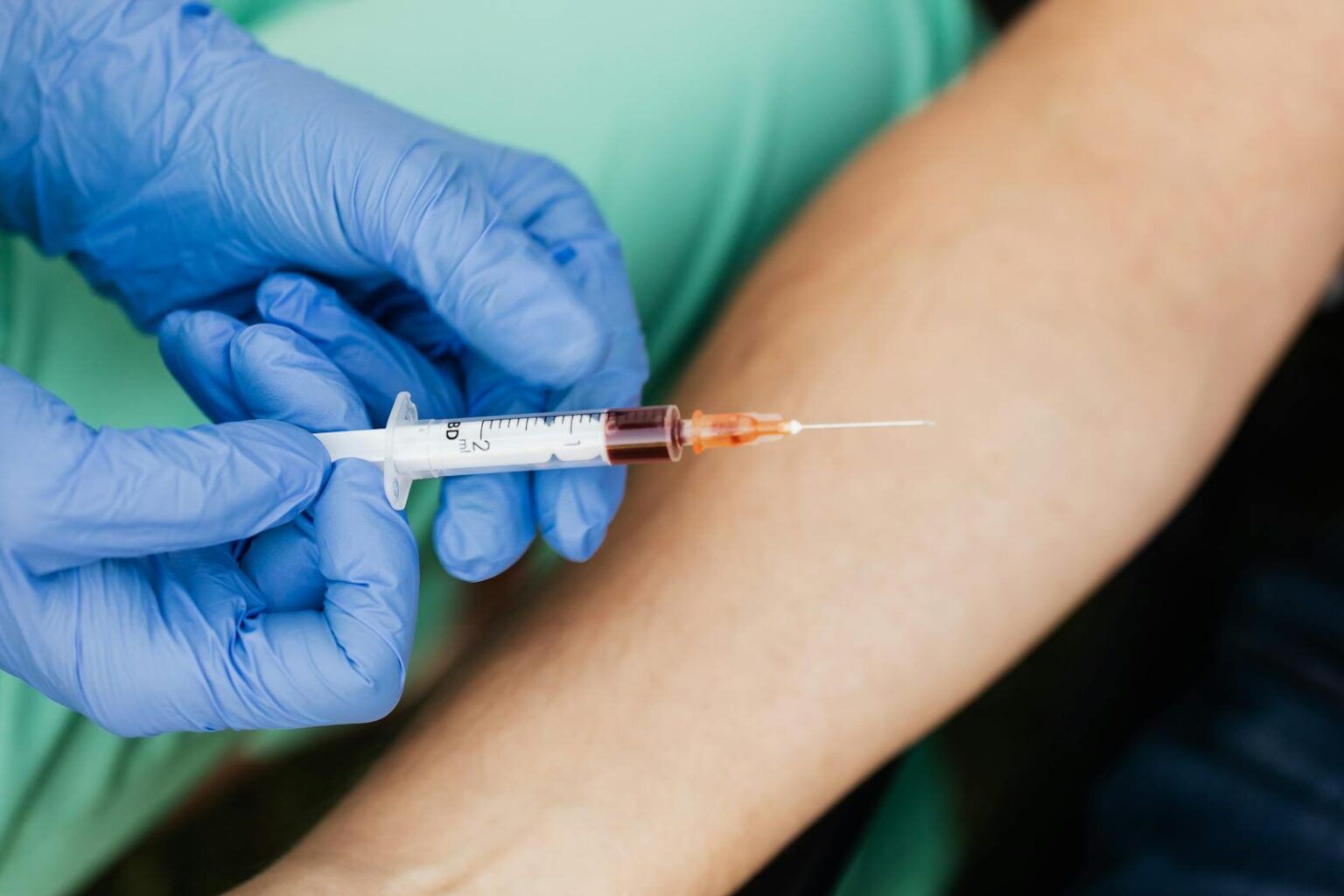
Introduction to Innovative Wound Care for Elderly Seniors in 2026-2027
As the senior population continues to grow, advancements in wound care are more critical than ever. In 2026, elderly wound healing remains a specialized field, with new technologies and treatment strategies improving outcomes for seniors suffering from chronic wounds, diabetic ulcers, and pressure ulcers. Our team at All Seniors Foundation is committed to keeping families informed about the most current wound care techniques to help elderly loved ones live healthier, more comfortable lives.
Effective wound care for seniors requires understanding the unique challenges posed by aging skin, comorbidities like diabetes, and mobility issues. This comprehensive guide explores the latest innovations in senior wound care and offers essential tips for caregivers.
Understanding Age-Related Changes Impacting Wound Healing
Physiological Changes in Aging Skin
As we age, skin becomes thinner, less elastic, and more fragile. These changes delay healing and increase vulnerability to tears, abrasions, and ulcers. Reduced collagen production and a decline in skin cell turnover contribute to slower wound closure.
Impaired Immune Response in Seniors
The aging immune system is less responsive, resulting in a slower inflammatory phase crucial for wound healing. This makes elderly individuals more prone to infections, a leading complication in wound recovery.
Common Comorbidities Affecting Wound Care
Chronic conditions such as diabetes, peripheral vascular disease, and malnutrition impair blood flow and oxygen delivery to wounds. Managing these underlying diseases is essential for effective elderly wound healing.
Advanced Approaches in Pressure Ulcer Treatment for Seniors
Modern Pressure Ulcer Prevention Strategies
Preventing pressure ulcers remains a top priority. In 2026, innovations include pressure mapping technology and AI-driven patient monitoring systems that detect prolonged pressure areas and prompt timely repositioning. Use of advanced pressure-relieving mattresses and cushions with smart sensors is increasingly common in home and clinical settings.
Topical and Dressings Technologies
Moist wound healing is standard care. New dressings incorporate nanotechnology with antibacterial agents and controlled moisture release, promoting optimal environments for cellular regeneration. Hydrocolloid and foam dressings infused with growth factors and peptides accelerate tissue repair.
Negative Pressure Wound Therapy (NPWT)
NPWT devices have evolved to be more portable and user-friendly for seniors receiving care at home. These systems remove exudate and stimulate granulation tissue formation, offering a highly effective treatment for complicated pressure ulcers. Caregivers can find support through Home Health Care for Seniors programs when managing NPWT.
Innovations in Aging Diabetic Wound Management
Integrated Blood Glucose and Wound Monitoring
Management of diabetic wounds in the elderly has been revolutionized by integrated digital health platforms. Continuous glucose monitoring combined with remote wound imaging, including apps and telehealth supports, enables personalized treatment adjustments in real-time, greatly improving healing rates.
Bioengineered Skin Substitutes
The use of bioengineered living skin equivalents and allografts embedded with stem cells has become a leading-edge option for non-healing diabetic foot ulcers. These therapies mimic natural skin anatomy and promote faster and more robust healing in elderly patients.
Antimicrobial and Enzymatic Treatments
Innovations in enzymatic debridement allow less painful, more selective removal of necrotic tissue. In addition, next-generation antimicrobial agents reduce resistant infections, decreasing hospitalization risks. Seniors benefiting from these treatments often engage with specialized outpatient teams through diabetic wound care services available locally.
Emerging Technologies in Senior Wound Care
Smart Wound Dressings and Sensors
Smart dressings equipped with biosensors that measure parameters such as pH, moisture, and temperature are transforming wound assessment. These dressings can alert caregivers or medical providers when infection risk increases, ensuring timely interventions.
3D Printing for Customized Wound Care
3D printing technology is now being applied to create customized wound dressings tailored to the wound’s shape and depth, improving fit and healing efficiency. This technology also enables production of scaffolds for tissue regeneration, holding great promise in elderly care.
Laser and Photobiomodulation Therapy
Low-level laser therapy (LLLT) and photobiomodulation have gained traction as non-invasive treatments that stimulate cellular repair and reduce inflammation. For seniors with chronic wounds, these therapies offer pain-free options that enhance quality of life.
Comprehensive Care: The Role of Caregivers in Wound Management
Essential Caregiver Wound Care Tips for 2026-2027
- Daily wound inspection: Recognizing signs of infection early is critical.
- Proper hygiene: Use of recommended cleansers and sterile techniques to prevent contamination.
- Moisturizing surrounding skin: Prevents dryness and cracking often seen in elders.
Training and Support Resources for Caregivers
Caregivers can access up-to-date educational modules and hands-on training workshops through platforms such as Free In-Home Care for Seniors in Los Angeles. Our services also recommend utilizing professional home health aides and nurses for complicated wound care procedures.
Psychosocial Aspects and Emotional Support
Wound care can be stressful for both seniors and caregivers. Encouraging open communication and linking families with supportive services through Hospice Care teams and counseling can significantly improve overall outcomes and wellbeing.
Nutrition and Lifestyle: Supporting Elderly Wound Healing
The Impact of Nutrition on Wound Recovery
A balanced diet rich in protein, vitamins A, C, and zinc supports tissue regeneration and immune function. For seniors with poor appetite or difficulty eating, nutritional supplements are often recommended by healthcare providers and facilitated through What we Provide at All Seniors Foundation.
Physical Activity and Mobility Aids
Maintaining mobility improves circulation, reducing pressure ulcer risks. Use of mobility aids and home modifications coordinated through home health care for seniors enhances independence and wound prevention.
Managing Chronic Diseases Effectively
Controlling conditions like diabetes and vascular diseases is essential. Partnerships with primary care and specialist services ensure integrated management plans, available under many Our Services for seniors.
Wound Care in Palliative and End-of-Life Settings
Balancing Comfort and Healing in Hospice Care
When wound healing is no longer feasible or primary, the focus shifts to patient comfort. Hospice Care protocols emphasize pain control, odor management, and symptom easing while minimizing invasive procedures.
Ethical Considerations in Wound Treatment
Respecting patient autonomy and goals of care is central. Multidisciplinary discussions help determine appropriate wound care strategies aligned with quality of life priorities.
Caregiver Support in Advanced Wound Care
Caring for a loved one in end-of-life stages is challenging. Our team encourages caregivers to use hospice aide services and counseling resources offered through All Seniors Foundation to navigate these complex decisions.
Accessing Specialized Wound Care Services
Benefits of Home Health Care for Wound Management
Home health care provides professional wound care in the comfort of a senior’s own home. Skilled nurses deliver dressing changes, monitor progress, and coordinate with physicians. Learn more about available services at Home Health Care for Seniors.
When to Seek Hospital or Specialist Care
If wounds worsen despite home care or show signs of serious infection, prompt referral to wound care centers or specialists is crucial to prevent complications. Our foundation helps families find trusted providers through What we Provide resources.
Insurance and Medicare Coverage in 2026-2027
Many wound care services, including advanced therapies and home care, are covered under Medicare and other insurance plans. Our site offers guidance on accessing insurance-covered wound care options, including details on Medicare Covered Wound Care for Seniors.
FAQ: Innovative Wound Care Techniques for Elderly Seniors
What are the most effective wound dressings for elderly patients?
Modern dressings with moisture control, antimicrobial properties, and bioactive components such as hydrocolloids and nanotechnology-enhanced fabrics are highly effective in 2026.
How do diabetic foot ulcers in seniors differ from other wounds?
They typically heal slower due to poor circulation and high blood glucose levels, making specialized diabetic wound care and continuous glucose monitoring vital.
Can caregivers manage negative pressure wound therapy at home?
Yes, with proper training and support from home health care teams, caregivers can safely manage portable NPWT devices.
Are there new technologies that help detect wound infections early?
Yes, smart wound dressings with embedded sensors can monitor infection markers and send alerts, facilitating earlier interventions.
Where can I find professional help for chronic wound care at home?
The Free In-Home Care for Seniors in Los Angeles and similar programs through Our Services provide access to experienced wound care professionals.
How important is nutrition in elderly wound healing?
Nutrition is critical. Adequate protein, vitamins, and minerals support tissue repair. Seniors may require dietary counseling or supplements, accessible through comprehensive elder care programs.
Key Takeaways
- Wound healing in elderly seniors is influenced by age-related skin changes and chronic diseases.
- Innovations such as smart dressings, bioengineered skin substitutes, and integrated digital monitoring enhance wound care outcomes.
- Pressure ulcer prevention with AI-enabled devices and new dressing technologies significantly reduce wound incidence.
- Caregiver education and support are fundamental to effective wound management at home.
- Nutrition and chronic disease control remain foundational pillars of elderly wound healing.
- Access to specialized wound care, including at-home and hospice services, is available through programs supported by the All Seniors Foundation.
For seniors and families seeking comprehensive wound care solutions, our team at the All Seniors Foundation invites you to explore Our Services, including home health care for seniors and free in-home care for seniors in Los Angeles. we are dedicated to helping you access advanced, compassionate care options tailored to your loved ones’ needs.





