
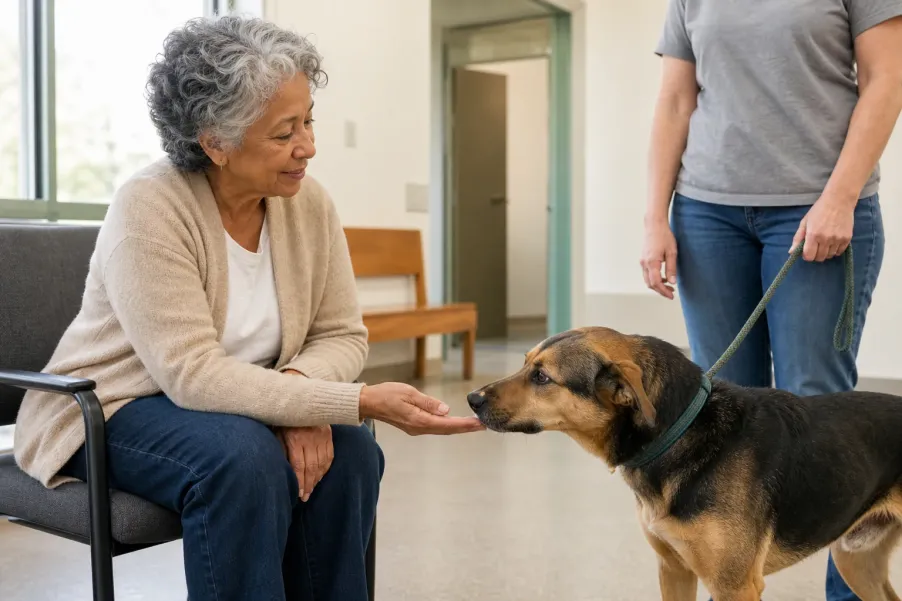
Prepare for an animal shelter adoption visit by confirming the correct Los Angeles County or City shelter, its current hours and process, the documents to bring, and how a pet would fit daily life at home. Arrange transportation and backup care first, ask staff specific questions, and leave without adopting if the match or responsibilities are uncertain.
Four useful takeaways before visiting a shelter
Identify the operating agency
Los Angeles County DACC and City of Los Angeles Animal Services are different systems. Confirm which organization operates the location and follow that agency’s current instructions.
Test daily-life fit first
Consider stairs, walking, litter care, feeding, grooming, noise, transportation, veterinary costs, and backup help before focusing on appearance or an online photo.
Ask what is known
Shelter staff may have useful medical, behavior, intake, and handling observations. Ask what is documented, what remains unknown, and what follow-up is recommended.
Keep a no-pressure exit
Availability can change, and a meeting may reveal a poor fit. Leaving to think, prepare, or consider another animal is a responsible outcome.
How do you find the correct animal shelter and process?
Begin with the shelter’s own website, not only a map listing or pet-search result. Los Angeles County includes locations served by the County Department of Animal Care and Control, locations served by City of Los Angeles Animal Services, and communities served by other local agencies or contractors. The animal’s listing should identify where the animal is housed and which organization controls the visit and adoption.
Open the location page for the date you intend to visit. Confirm public viewing hours, whether an appointment or questionnaire is used, how same-day availability is handled, and which entrance or customer-service desk to use. Holiday and limited-service schedules can differ from ordinary hours. If one detail determines whether the trip is possible, call the operating agency rather than assuming an older webpage or search snippet is current.
Write one agency sentence
Complete this sentence: “The animal is currently at this location, operated by this agency, and the agency says visitors should follow this current process.” If any part is unknown, verify it before arranging the trip.
The Los Angeles County DACC adoption-process page describes its current animal care centers and Ready to Go Home process. The City of Los Angeles Animal Services adoption page publishes a separate city process. These official pages illustrate why one countywide assumption does not work.
What should be settled at home before the shelter visit?
Confirm that every person responsible for the home agrees with the visit and understands that adoption creates daily work and ongoing costs. Review a lease, homeowner association rule, household allergy concern, pet limit, yard or balcony issue, and existing-animal situation before becoming attached to a particular dog or cat. Obtain property approval when it is required; a shelter cannot override housing rules.
Name the primary caregiver and one realistic backup. The backup should know what help may be requested and be able to say no. Use the pet care backup plan for older adults to discuss feeding, walks or litter care, keys, supplies, transportation, and an emergency handoff before a pet comes home.
Estimate the full routine, not only an adoption fee. Food, supplies, routine veterinary care, medication if later needed, grooming, training, licensing, transportation, boarding or pet sitting, and housing deposits may all matter. Prices and requirements change, so gather current figures for the specific animal, city, home, and veterinarian rather than relying on a generic budget.
Ask one practical question
“If I felt unwell or could not drive for seven days, exactly who would feed, walk, clean, transport, or house this animal?” A named and willing person is stronger than “someone will help.”
How can an older adult compare a pet with daily life?
Match the animal’s observed needs with the caregiver’s ordinary week. Age alone does not determine whether someone should adopt, and a pet’s size alone does not predict ease of care. A small energetic dog may require more movement than a calm larger dog; a cat may still require bending, litter handling, carrier lifting, scratching management, and veterinary trips.
| Daily-life area | What to consider before visiting | What to ask at the shelter |
|---|---|---|
| Movement | Walking distance, balance, stairs, bending, lifting, and weather limits | Known activity level, leash handling, carrier use, and mobility around steps |
| Home environment | Space, noise tolerance, doors, fencing, litter location, and other animals | Observed response to handling, noise, dogs, cats, and new people |
| Daily schedule | Feeding, outdoor trips, litter care, play, grooming, and time alone | Current routine and any known training or supervision needs |
| Health support | Ability to arrange veterinary care and safely manage supplies | Documented examination, vaccines, medications, restrictions, and follow-up |
| Backup plan | A willing helper, transportation, temporary care, and written instructions | Safe transport method and any immediate homecoming instructions |
The CDC recommends considering an animal’s lifespan, size, food, housing, exercise, and veterinary-care needs before adoption. Its Healthy Pets, Healthy People guidance also notes that adults 65 and older can face greater risk from some germs animals carry. That does not make a shelter visit inappropriate, but it supports handwashing and a conversation with a clinician and veterinarian when individual health or immune-system concerns are relevant.
What should you confirm before leaving for the shelter?
Reopen the exact animal and location pages on the day of the visit. An online listing is a lead, not a reservation or guarantee. Ask whether the animal is currently viewable, what status terms mean, whether visitors are assisted in a particular order, and whether the agency requires a current photo identification, proof of address, landlord information, household participation, questionnaire, or payment method.
County DACC’s current FAQ describes a photo identification and current-address proof for its adoption process. That fact should be confirmed with DACC for the planned visit and should not be generalized to a City shelter or another agency. Likewise, do not copy a posted fee into a permanent plan. Promotions, license charges, procedures, and included services can change.
Identity and address
Confirm which current documents the operating agency accepts and whether the address must match the adopter’s residence.
Housing and household
Ask whether rental approval, household members, or an existing dog meeting is required for the specific adoption.
Payment and transport
Confirm current charges, accepted payment, carrier or leash requirements, and how the animal may safely leave the facility.
Write the shelter’s phone number and the animal’s identification number separately from the phone used to browse. If the listing changes while traveling, you will still know whom to contact and can decide whether another visit is worthwhile.
How should you plan transportation and the possible trip home?
Plan two trips at once: the visitor’s comfortable arrival and the animal’s safe departure if an adoption is completed. Confirm parking, passenger drop-off, walking distance, seating, restroom access, and return transportation. Avoid a pickup plan that leaves an older adult waiting outside with an unfamiliar animal and no secure carrier or vehicle arrangement.
Ask the shelter what equipment is required for departure. Do not assume the shelter supplies a carrier, leash, collar, bedding, or crate. A cat or small animal may require an appropriate carrier; a dog may require secure leash handling and safe restraint in the vehicle. Follow the shelter’s directions for the individual animal rather than improvising at the curb.
At home, prepare only the basics before the visit: a quiet contained area, water, the shelter-recommended first food plan, secure doors or gates, and a place for supplies. Keep the first schedule simple. If a neighbor is part of the plan, adapt the trusted neighbor emergency support guide without sharing private information that the helper does not need.
What should happen during the first meeting with a shelter animal?
Let staff lead the introduction and explain safe handling. A shelter can be noisy or unfamiliar, so one meeting may not reveal how an animal will behave in every home. Observe without demanding a performance. Notice how the animal approaches, recovers after a distraction, responds to staff guidance, accepts or avoids contact, moves on the floor, and handles the length of the meeting.
Describe the home honestly: stairs, other animals, visiting grandchildren, mobility equipment, typical time alone, walking routine, noise, and who provides care. Ask staff to discuss what they have actually observed and what remains unknown. Do not ask for a guarantee that a pet will never pull, scratch, bark, hide, have an accident, become ill, or react differently after moving.
Use a quiet introduction
Follow staff instructions, allow the animal space, keep movements comfortable, and avoid placing a face close to an unfamiliar animal. Wash hands after contact and before eating or touching your face.
If outdoor walking is part of the decision, ask whether a staff-guided handling observation is available and appropriate. Do not test strength or balance by taking an unfamiliar dog outside without shelter approval and support.
Which questions give the most useful information?
- Status: What does this animal’s current status mean, and is the animal available to the general public now?
- History: What intake history or previous-home information is documented, and which details are unknown?
- Medical record: Which exams, vaccines, microchip, surgery, medications, restrictions, or follow-up instructions are documented?
- Observed behavior: What have staff seen around handling, noise, food, other animals, new people, leash walking, litter use, or time alone?
- Daily needs: What routine, activity, grooming, training, containment, or supervision does staff recommend at first?
- Next steps: What current paperwork, fees, licensing, transport equipment, veterinary follow-up, and post-adoption support apply?
Ask for copies of the records and instructions that belong with the adoption. Read them before leaving when possible. If an answer is uncertain, write “unknown” rather than converting an impression into a fact. A veterinarian can interpret health needs after reviewing the animal and records; shelter staff can explain their own documented observations and process.
Licensing requirements depend on the animal and jurisdiction. Use the pet license preparation guide as a future organization tool, then confirm the initial license process with the shelter and responsible licensing agency.
How do you make a no-pressure adoption decision?
Pause before paperwork. Compare the meeting with the daily-life plan, not with the fear that another adopter may arrive. First-come policies can make a decision feel urgent, but urgency does not create housing approval, physical capacity, backup care, or a realistic budget.
| What you know | Responsible next step |
|---|---|
| Home, daily care, transportation, backup, and documented needs fit | Review the adoption agreement and shelter instructions before deciding. |
| One practical issue is unresolved but can be verified | Pause and verify it; accept that the animal may not remain available. |
| Handling, activity, cost, housing, or care demands do not fit | Do not adopt that animal. Ask whether another profile may be more appropriate. |
| Important medical or behavior information is unknown | Ask what evaluation or follow-up is possible and decide whether the uncertainty is manageable. |
| The visitor feels pressured, tired, unsafe, or simply not ready | Leave. A shelter visit can be useful even when no adoption occurs. |
Never adopt a pet as a surprise gift. The future caregiver should participate in choosing the animal, understand the ongoing responsibility, and agree to the plan. Companionship can be meaningful, but it does not erase the need for daily care and a safe match.
Animal shelter adoption visit checklist
Before the visit
- Identify the animal, location, and operating agency.
- Confirm current hours, status, process, and required documents.
- Settle housing rules and household agreement.
- Name the primary caregiver and willing backup.
- Estimate routine care, transport, and veterinary costs.
At the shelter
- Follow staff directions during the introduction.
- Describe the home and routine honestly.
- Ask what is documented and what is unknown.
- Review records, equipment needs, fees, and next steps.
- Choose fit over urgency.
If adoption is completed
- Use the required carrier, leash, and safe vehicle plan.
- Keep the first home area quiet and secure.
- Follow shelter instructions for food and immediate care.
- Arrange recommended veterinary follow-up.
- Give the backup caregiver only necessary information.
Browse more practical planning resources in the All Seniors Foundation Articles library. For a separate low-pressure outing with an established pet, use the senior-friendly LA County park picnic guide and confirm the park’s current animal rules first.
Official sources and educational boundary
This guide was reviewed against current Los Angeles County DACC adoption-process and FAQ pages, the City of Los Angeles Animal Services adoption page, and CDC Healthy Pets guidance. Shelter hours, availability, status, required documents, fees, included services, licensing, transport rules, and support can change. Confirm every visit-specific detail with the operating shelter.
All Seniors Foundation is not an animal shelter, adoption agency, veterinary provider, licensing authority, or housing decision-maker. Individual medical questions belong with a clinician; animal health and care questions belong with a veterinarian and the responsible shelter.
Need help organizing a senior support plan?
All Seniors Foundation can help Los Angeles County older adults and families navigate general community resources and organize questions. The shelter, housing provider, veterinarian, transportation provider, and licensing agency must confirm their own rules and services.
Frequently asked questions
Should an older adult call the shelter before an adoption visit?
Yes, when a detail affects the trip. Confirm the animal’s location and current status, public hours, visit process, documents, accessibility needs, and safe transport requirements with the operating shelter. An online listing does not guarantee that an animal is still available or viewable.
What documents should someone bring to adopt a shelter pet?
Requirements differ by agency. Los Angeles County DACC currently describes photo identification and proof of current address, but visitors should verify accepted documents with the exact County, City, or local shelter. Housing approval or other information may also be relevant to a specific adoption.
Is a smaller pet always easier for an older adult to care for?
No. Size alone does not show activity, handling, training, grooming, litter, noise, veterinary, or supervision needs. Compare the individual animal’s documented and observed needs with the caregiver’s movement, home, schedule, transportation, budget, and backup plan.
What health questions should an older adult ask before adopting?
Ask the shelter which examinations, vaccines, procedures, medications, restrictions, and follow-up needs are documented, and request the records that come with the adoption. A veterinarian should interpret animal health needs. A clinician can address personal health or immune-system concerns.
Is it acceptable to leave the shelter without adopting?
Yes. Leaving is responsible when housing, physical handling, cost, transportation, backup care, medical information, behavior uncertainty, or the visitor’s comfort does not support a safe match. A useful visit can clarify what type of animal or preparation may fit better later.
Can All Seniors Foundation approve or arrange a pet adoption?
No. All Seniors Foundation is not an animal shelter or adoption agency. It can help older adults and families organize general questions and navigate community resources, while the shelter controls adoption, the housing provider controls housing rules, and veterinarians provide animal health guidance.





