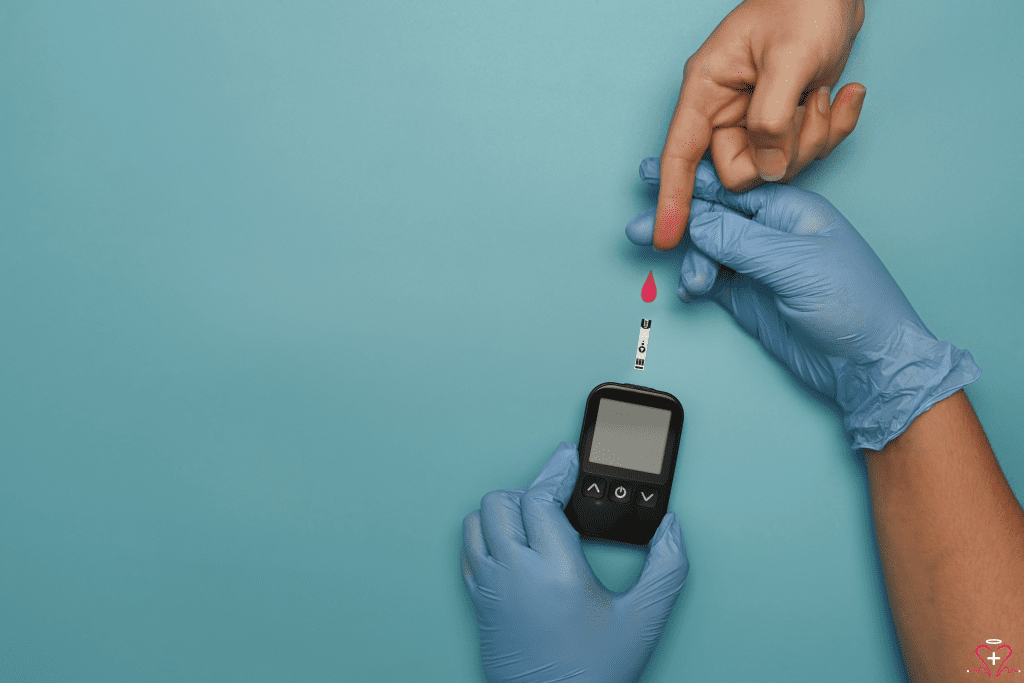
A blood glucose monitor can help a person follow a diabetes care plan. The right device, testing schedule, target range and response to a reading depend on individual clinical needs. Ask your treating clinician or diabetes educator for instructions before relying on a new monitor.
Blood Glucose Meters and Continuous Glucose Monitors
A traditional meter measures glucose in a small blood sample placed on a compatible test strip. A continuous glucose monitor (CGM) uses a sensor to estimate glucose in the fluid between cells and show changes over time. The devices are different, and a CGM may not match a finger-stick result when glucose is changing.
The NIDDK CGM guide explains the parts, uses and limitations. Depending on the device and situation, a finger-stick check may still be needed. Follow the device instructions and your clinician’s plan when a reading seems inaccurate or does not match how you feel.
Choose the Exact Model for Your Needs
- Ask whether a blood glucose meter or CGM is appropriate for your treatment and risk of low blood sugar.
- Check display size, alarms, dexterity needs, language, phone compatibility and whether a separate receiver is available.
- Confirm the correct strips or sensors, storage conditions, replacement schedule and ongoing supply costs.
- Ask who will teach you to use it and review readings, and how a caregiver can help with your permission.
- Check the current manufacturer instructions rather than assuming that devices from one brand work the same way.
FreeStyle Libre and Dexcom
CGM models differ in indications, alerts, sensor wear, placement and compatible equipment. Use the FreeStyle Libre resource hub for the exact model’s materials. Dexcom states that G6 manufacture ended July 1, 2026, with later supply availability not guaranteed. If you use G6, discuss a transition and backup monitoring plan with your clinician and supplier; do not simply stop monitoring.
Contour Next One and Accu-Chek Guide
These are examples of blood glucose meters, not a ranking of the best device for every senior. Consult the Contour Next One user guide or Accu-Chek meter information for the exact meter and compatible supplies. Ask for a demonstration before deciding whether a device is manageable for you.
Use Readings Safely
For a meter, wash and dry your hands, use the correct unexpired strips and follow the instructions for obtaining and applying the sample. Do not share a personal meter, lancet or finger-stick device. Ask about safe disposal of sharps. The FDA’s glucose-monitor guidance explains factors that affect accuracy and safe use.
Ask the care team when to test, what values or symptoms require action and whom to contact. Follow your prescribed plan for insulin or other medicines; do not improvise dose changes from a single reading or this article. A device does not prevent every episode of low or high glucose. For a medical emergency, call 911.
Prescriptions and Coverage
Some devices can be purchased without a prescription, while others require one. Over-the-counter CGMs have specific intended uses and limits. For example, the FDA’s Stelo clearance excludes people using insulin or with problematic hypoglycemia. Ask the clinician which device is appropriate for your circumstances.
Medicare CGM coverage has diabetes, clinical, training, ordering-provider and supplier requirements. Part B deductible and coinsurance may apply. Confirm approval, supplier participation and costs before relying on a device or supply shipment.
Practical Support and Follow-Up
Ask All Seniors Foundation about available guidance or resource-navigation options. Confirm the supplier, clinical provider, training, interpretation of results and any costs directly.
Blood Glucose Monitors Resources for Seniors
Get more information about Blood Glucose Monitors and connect with related services: