Preventing Pain and Loss of Mobility
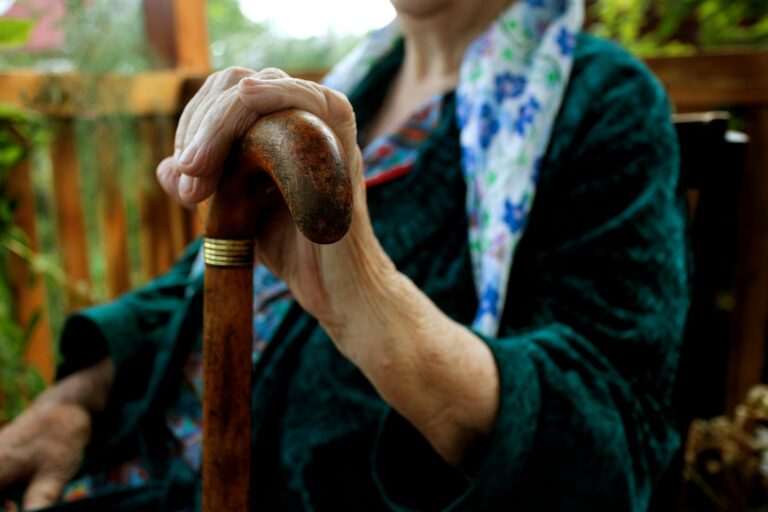
As we age, foot structures undergo changes that make them more susceptible to injuries, infections, and chronic conditions. Thinner skin, decreased muscle mass, and shifting foot arches can lead to imbalances, elevating the risk of falls. Additionally, conditions like arthritis or diabetes place older adults at greater risk for complications in the lower extremities. By investing in consistent foot care, seniors can circumvent prolonged discomfort and safeguard their independence. Preventive steps—such as trimming nails properly, examining for swelling, and wearing supportive footwear—keep small issues like calluses or cuts from turning into debilitating wounds. A well-structured foot care routine can thus enhance both short-term comfort and long-term mobility, enabling seniors to remain active and self-reliant.
Foot pain or persistent soreness can erode confidence in everyday tasks like walking or climbing stairs. Fear of aggravating foot or ankle pain can make older adults avoid social gatherings, errands, or recreational activities, potentially leading to isolation and even depression. Treating common concerns—like bunions, corns, or heel spurs—early can stave off major interventions, like surgery. Meanwhile, those with chronic illnesses often rely on professional foot exams to detect circulation issues or nerve damage that might go unnoticed. Ultimately, prioritizing foot health is both a preventive measure and a quality-of-life enhancer, granting older adults the freedom to pursue hobbies, maintain social connections, and manage daily chores unimpeded.
Reducing Secondary Health Risks
Beyond warding off local foot problems, proper foot care can also prevent complications that affect general health. For instance, unnoticed or untreated foot sores in diabetic patients can develop into serious infections, leading in severe cases to limb amputation. Poorly managed foot pain may also encourage sedentary behavior, fueling weight gain or cardiovascular stress. By practicing daily foot inspections, wearing cushioned shoes that accommodate potential swelling, and seeking professional interventions for wounds that don’t heal promptly, seniors minimize these broader dangers. Routine checkups and pedicures from trained foot care specialists pinpoint early warning signs—like changes in skin color, temperature, or sensation—well before they escalate into chronic injuries or dangerous infections.
- Less Pain, More Independence: Avoiding conditions like plantar fasciitis or ingrown nails promotes confident movement.
- Fall Prevention: Balanced, pain-free feet reduce the likelihood of missteps and injuries.
- Better Circulation: Regular care and appropriate footwear support healthy blood flow to the extremities.
- Early Detection of Systemic Issues: Foot changes can hint at kidney or heart concerns, prompting timely medical evaluation.
- Simplified Daily Routines: With fewer foot-related hindrances, seniors can cook, clean, and socialize more easily.
In essence, foot health forms a cornerstone of overall wellness for older adults. Through diligent foot care practices—ranging from simple at-home checks to specialized clinical treatments—seniors bolster mobility and guard against life-altering complications. It’s not merely about banishing discomfort in the moment; it’s about preserving the capacity to live fully, maintain social bonds, and remain physically active throughout the golden years.