What Should Seniors Know About Chronic Venous Insufficiency?
Chronic venous insufficiency occurs when leg veins cannot efficiently return blood to the heart, causing blood to pool in the legs. This common condition in seniors causes swelling, discomfort, and potentially serious skin changes. Understanding CVI helps seniors recognize symptoms and access effective treatment.
Understanding Venous Insufficiency
Veins return blood from the body to the heart, working against gravity in the legs. One-way valves prevent blood from flowing backward. When these valves weaken or fail, blood pools in the lower legs, increasing pressure in the veins. This sustained high pressure causes CVI symptoms and complications.
CVI develops gradually over years. Risk factors include age, prolonged standing occupations, obesity, previous blood clots, multiple pregnancies, and family history. Women are affected more often than men.
Symptoms
Leg swelling, particularly around the ankles and lower legs, is the hallmark symptom. Swelling worsens through the day and with prolonged standing. Elevation temporarily relieves swelling. One or both legs may be affected.
Aching, heaviness, and tiredness in the legs are common complaints. Symptoms worsen with standing and improve with elevation and walking. Night cramps and restless legs may occur.
Skin changes develop as CVI progresses. Skin may become discolored, typically brownish near the ankles. Skin texture changes, becoming thickened and leathery. Itching and irritation are common.
Varicose veins, enlarged twisted veins visible under the skin, often accompany CVI. While sometimes merely cosmetic, varicose veins indicate underlying venous problems.
Complications
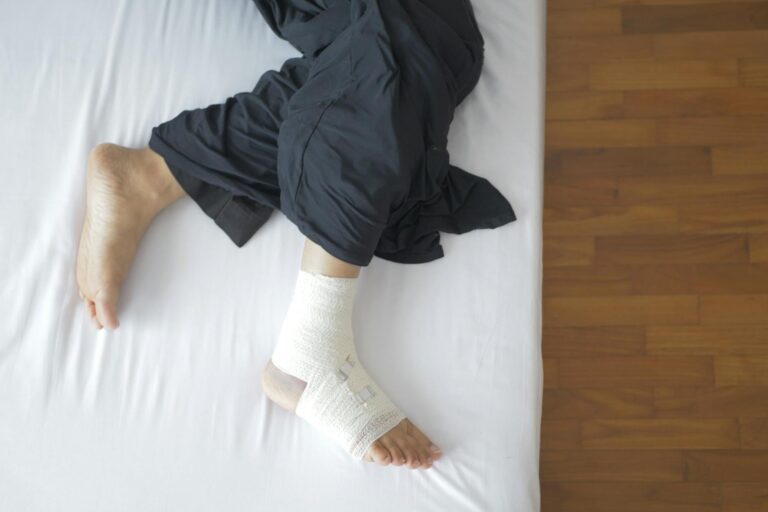
Venous ulcers are open wounds that develop from prolonged venous hypertension. These typically occur near the ankles and are difficult to heal without addressing the underlying venous problem. Venous ulcers significantly impact quality of life.
Cellulitis, skin infection, occurs more frequently in legs with CVI. The compromised skin provides entry points for bacteria. Recurrent cellulitis may occur.
Blood clots can form in varicose veins, causing superficial thrombophlebitis. While usually not dangerous, this condition is painful and may indicate deeper vein problems.
Treatment
Compression therapy is the foundation of CVI treatment. Compression stockings apply graduated pressure that supports vein function and reduces swelling. Proper fitting is essential for effectiveness and comfort. Stockings should be put on in the morning before swelling develops.
Leg elevation above heart level several times daily helps drain pooled blood. Sleeping with legs slightly elevated provides overnight benefit. Regular walking activates calf muscle pumps that assist venous return.
weight management reduces pressure on leg veins. Losing excess weight improves symptoms and slows progression.
Medical procedures may be recommended for significant varicose veins or persistent symptoms. Options include vein ablation, sclerotherapy, and surgical removal. These procedures eliminate or close damaged veins, redirecting blood through healthier vessels.
Getting Venous Care
All Seniors Foundation provides wound care and nursing services for those with venous insufficiency complications. Proper management prevents ulcers and maintains leg health. Contact us if leg swelling or skin changes are affecting your comfort and mobility.