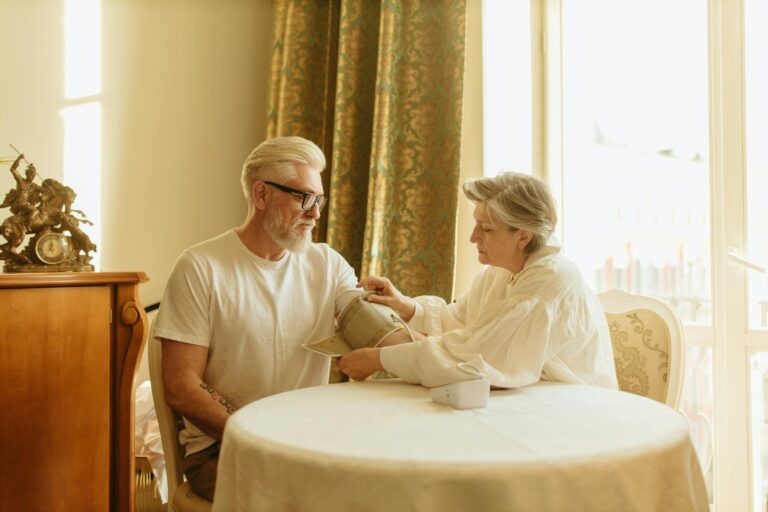
Defining Nursing Care
Nursing care for seniors is a specialized service focused on maintaining and improving the health of older adults. It encompasses both medical and supportive tasks, aiming to treat illnesses, manage chronic conditions, and enhance quality of life. Skilled nurses—ranging from Registered Nurses (RNs) to Licensed Practical Nurses (LPNs)—deliver this care in various settings, including private homes, assisted living communities, and nursing facilities. By offering direct clinical services and ongoing patient education, nursing care professionals play a pivotal role in promoting healthy aging and minimizing hospital visits.
Key Components of Senior Nursing Care
- Medication Management: Nurses ensure seniors adhere to prescribed regimens, keep track of dosages, and monitor potential side effects.
- Vital Sign Monitoring: Regular checks of blood pressure, heart rate, respiratory function, and blood sugar levels help detect early warning signs of complications.
- Chronic Disease Management: Conditions like diabetes, hypertension, and congestive heart failure often require coordinated treatments, which skilled nurses can administer and adjust.
- Wound Care: From dressing changes to infection control, nursing care professionals prevent complications and speed up the healing process.
- Rehabilitation Support: Nurses collaborate with physical or occupational therapists to enhance mobility and daily living skills after surgeries or hospital stays.
Why Nursing Care Matters for Seniors
As people age, they often face multiple health challenges, including mobility limitations, cognitive decline, and the increased likelihood of acute illnesses. Nursing care offers direct, skilled oversight to tackle these issues proactively. By monitoring vitals, spotting changes in mental status, and coordinating with healthcare providers, nurses help seniors maintain independence longer. This approach minimizes the need for emergency interventions and can delay—or even prevent—the transition to more restrictive care settings. Personalized nursing care also fosters a deeper understanding of each patient’s needs, building trust and rapport that improves treatment adherence.
Home-Based vs. Facility-Based Nursing
Seniors can receive nursing care in different environments. Home-based nursing allows older adults to remain in familiar surroundings while receiving regular checkups, medication administration, and ongoing symptom evaluation. Facility-based nursing, such as in nursing homes or assisted living settings, generally provides round-the-clock support and a more structured routine. Each option has advantages—home care promotes comfort and family involvement, while facility care offers immediate access to a broader medical team. At All Seniors Foundation, we help families weigh these factors, matching seniors to environments that best align with their lifestyle and health requirements.
Working with All Seniors Foundation
At All Seniors Foundation, our mission is to ensure every senior receives high-quality, compassionate nursing services. we partner with accredited providers who maintain rigorous standards in patient safety, clinical training, and ongoing education. Our team also assists families in navigating financial options such as Medicare, Medicaid, and private insurance, reducing the burden of care costs. Through regular check-ins and open communication, we verify that seniors receive the proper level of nursing support—whether it’s part-time visits at home or comprehensive 24/7 care in a specialized facility.
The Path to Better Senior Health
Nursing care stands at the forefront of geriatric health maintenance, offering a clinical lifeline that enhances day-to-day functioning and long-term well-being. By addressing medical complexities and coordinating with other healthcare professionals, nurses reduce hospital readmissions and improve seniors’ overall quality of life. Armed with empathy, expertise, and a holistic viewpoint, nursing care is a cornerstone in ensuring older adults remain as active and independent as possible.