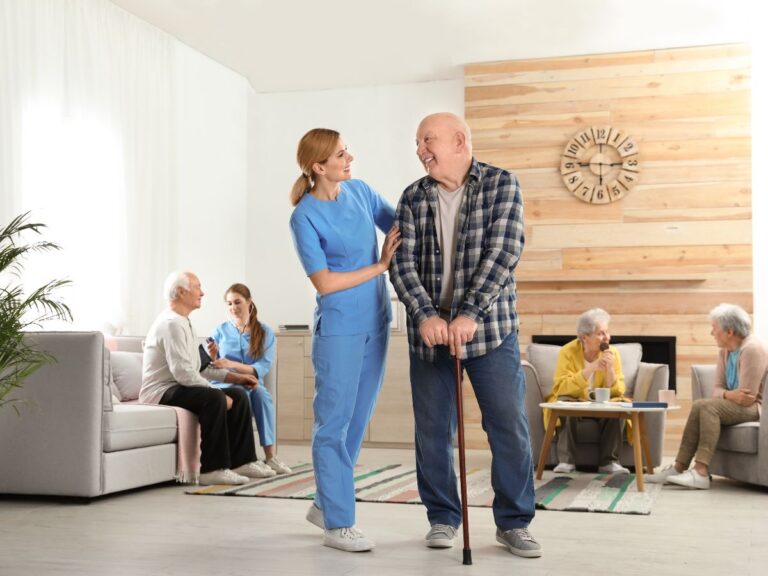
What Is Home Modification for Aging in Place?
Home modifications enable seniors to remain safely in their homes as abilities change. Understanding modification options helps families prepare homes for aging in place.
Why Home Modification Matters
Most seniors want to remain in their homes. Home represents independence, memories, and comfort. Modifications make continued home living possible despite changing abilities.
Standard homes are not designed for aging. Stairs, narrow doorways, slippery surfaces, and other features create barriers and hazards. Modifications address these problems.
Proactive modification is easier than reactive. Making changes before they are urgently needed allows time for planning and prevents crisis-driven decisions.
Bathroom Modifications
Bathrooms are the most dangerous room for seniors. Falls in bathrooms cause serious injuries. Modifications significantly reduce risk.
Grab bars provide support for toileting and bathing. Properly installed grab bars by the toilet and in the tub or shower area prevent falls. Professional installation ensures bars support body weight.
Walk-in showers eliminate climbing over tub walls. Curbless or low-threshold showers are accessible for those with mobility limitations. Shower seats allow resting during bathing.
Raised toilet seats reduce the distance to sit and stand. Toilet safety frames add armrests for support. These simple modifications help those with knee, hip, or balance problems.
Non-slip surfaces reduce fall risk. Mats, strips, and non-slip coatings provide traction on wet surfaces.
Kitchen Modifications
Accessible storage puts items within reach. Lowering upper cabinet shelves, adding pull-out shelves, and using lazy susans improve access.
Lever-style faucets are easier than knobs for arthritic hands. Single-lever operation requires less grip strength and dexterity.
Good lighting improves safety and function. Task lighting over work areas helps those with vision changes see clearly.
General Home Modifications
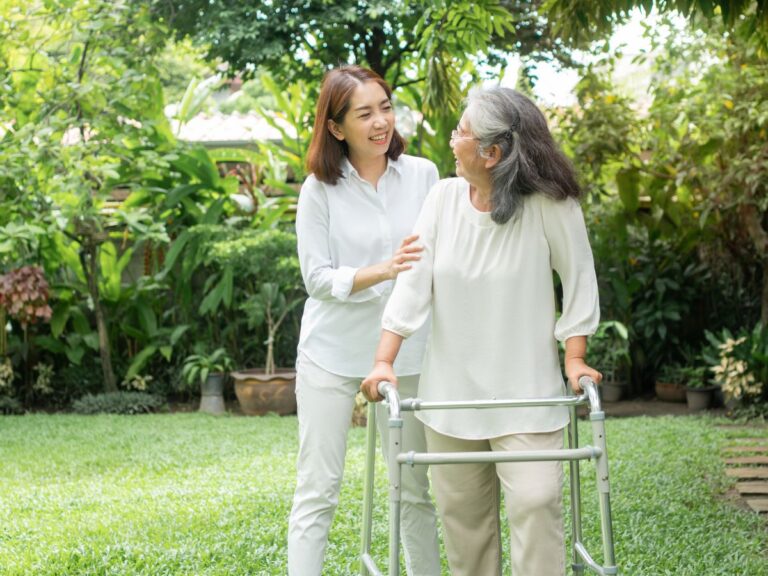
Ramps provide wheelchair and walker access. Ramps at entrances eliminate steps that create barriers. Proper slope and handrails ensure safe use.
Wider doorways accommodate wheelchairs and walkers. Standard 32-inch doors may be too narrow. Offset hinges or door widening improve access.
First-floor living eliminates stairs. Converting a first-floor room to a bedroom allows single-floor living when stairs become difficult.
Stair lifts transport people between floors. These motorized chairs carry users up and down stairs. They enable continued use of multi-story homes.
Improved lighting throughout reduces fall risk. Brighter bulbs, additional fixtures, and nightlights improve visibility.
Lever door handles replace round knobs. These are easier to operate with arthritic hands or when carrying items.
Funding Modifications
Some modifications may be covered by programs for seniors or disabled individuals. Medicaid waivers, VA programs, and nonprofit organizations may provide assistance.
Getting Home Modification Guidance
All Seniors Foundation can assess homes for modification needs. Safe homes enable aging in place. Contact us for home safety assessment and modification recommendations.