Core Personal Care Tasks
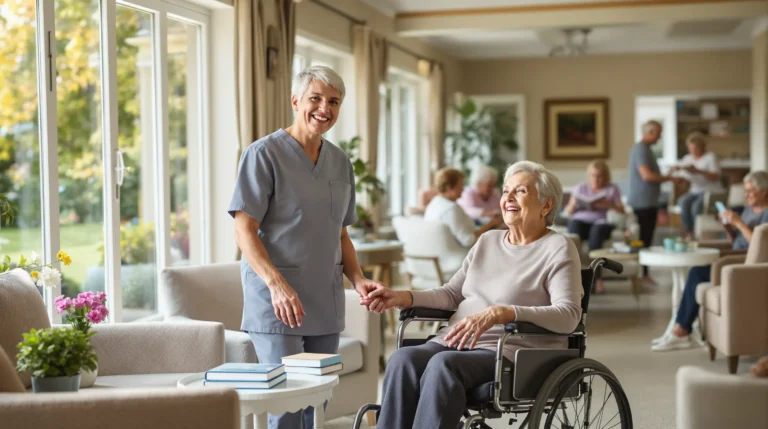
Home health aides (HHAs) are central to helping seniors maintain a sense of normalcy and dignity, despite physical or cognitive changes. They start the day by assisting with activities of daily living (ADLs)—bathing, dressing, grooming, or toileting. Many older adults find these tasks increasingly challenging, whether due to arthritis, reduced vision, or limited mobility. An HHA’s role is to mitigate these hurdles by providing a supportive hand and ensuring that hygiene and personal presentation remain uncompromised. By carefully navigating each client’s boundaries, HHAs promote self-esteem and comfort, letting seniors participate as much as they’re able.
Transferring and Mobility
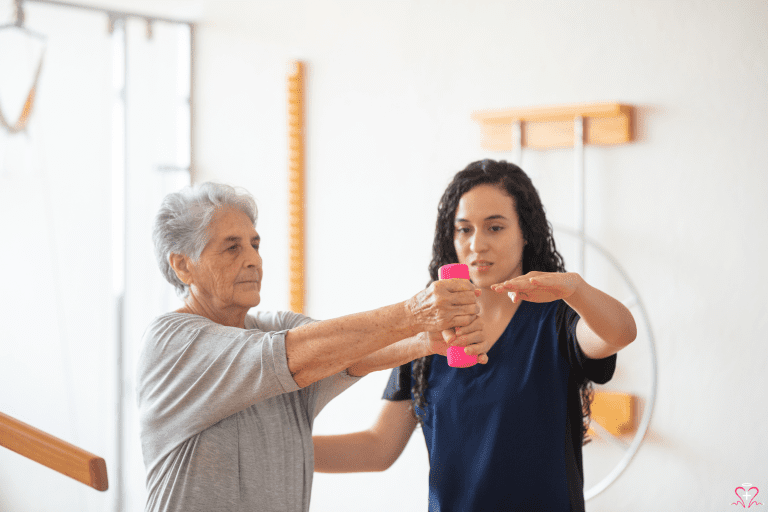
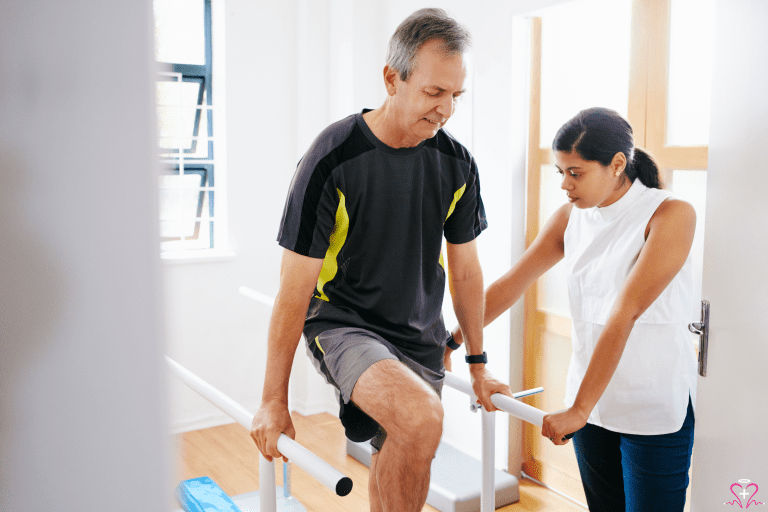
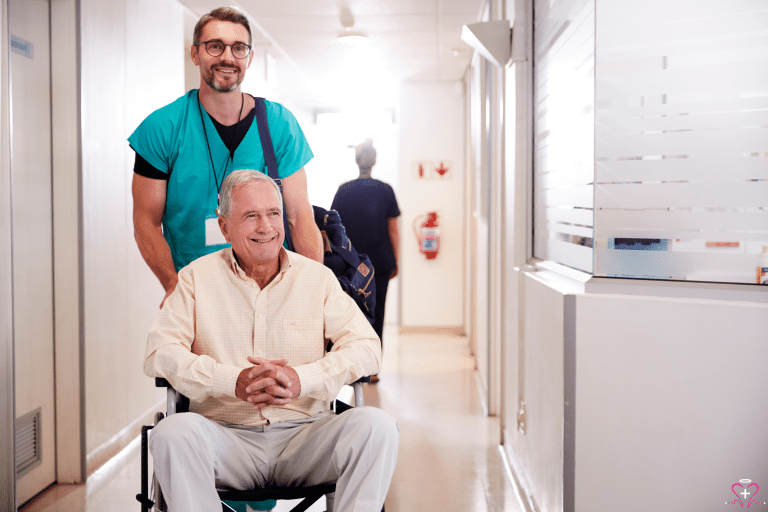
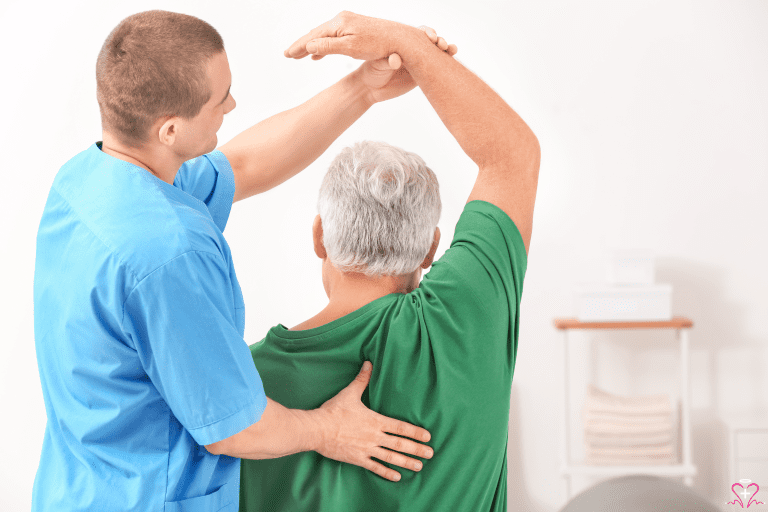
Beyond personal hygiene, HHAs help with transferring clients from beds to wheelchairs, recliners, or commodes, using safe handling techniques to prevent falls. Some seniors require partial weight-bearing support, while others need significant physical assistance. An HHA’s training in proper lifting methods and body mechanics drastically lowers the risk of strains or injuries—for both the aide and the senior. This includes adjusting mobility devices like walkers or canes, checking for stable handrails, and ensuring the living space is clear of trip hazards. Regular gentle walks or range-of-motion exercises may also be part of their routine, enhancing circulation and flexibility.
Health Monitoring and Documentation
One of the aspects differentiating home health aides from homemakers is their capacity for light medical oversight. Under a nurse’s or physician’s direction, HHAs might check vitals like blood pressure, temperature, or pulse. They also keep an eye out for changes in skin conditions—alerting the care team if they spot redness, bruises, or potential bedsores forming. These daily or weekly checks can reveal early signs of infection or complications from chronic illnesses, prompting timely medical intervention. HHAs often record their observations in logs or electronic systems so the family and supervising healthcare professionals can track the senior’s progress.
Medication Reminders and Coordination
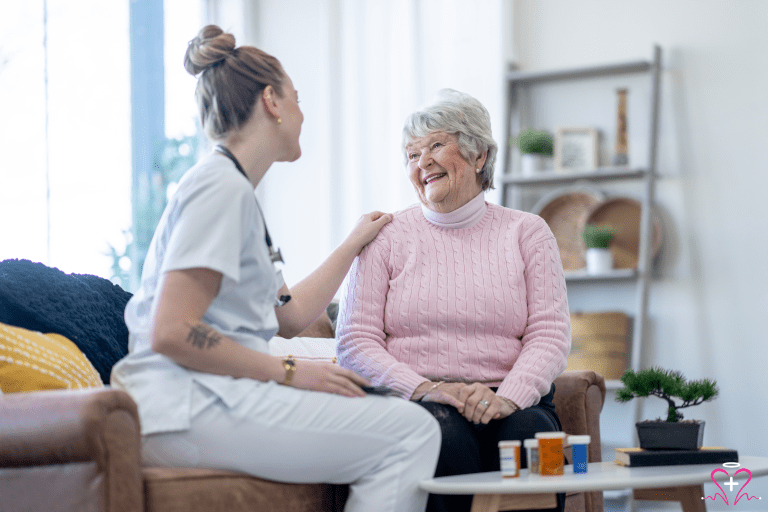
Though home health aides aren’t allowed to prescribe or alter medication dosages, they can help seniors remember to take pills at designated times. This involves reading labels aloud, assisting with pill organizers, or confirming that the right medication is taken with the proper meal or beverage. In complex cases, HHAs coordinate with the family or a registered nurse to clarify schedules and watch for side effects, such as dizziness or digestive issues. This vigilance is particularly crucial for seniors juggling multiple prescriptions.
Household Support and Meal Preparation
While extensive housekeeping typically falls under homemaker services, HHAs do handle limited home chores as part of maintaining a clean and healthy environment. Tasks might include changing bed linens, tidying common areas, or washing utensils after mealtime. For nutrition, HHAs may prepare light meals or reheat food, ensuring seniors follow dietary guidelines—especially if they’re managing conditions like diabetes or high blood pressure. Proper nutrition also improves energy and mental clarity, reducing the risk of malnutrition or dehydration.
Safe Mobility Around the Home
In addition to transferring, HHAs guide seniors in navigating hallways, using stairs where feasible, or even stepping outside for fresh air. They assess the environment, noting slippery floors, poor lighting, or clutter that might cause an accident. By making adjustments—like rearranging furniture or suggesting grab bars—they contribute to an older adult’s continued independence. For those comfortable with mild exercise, aides might accompany them in brief walks around the neighborhood, boosting both physical fitness and emotional well-being.
Emotional and Social Engagement
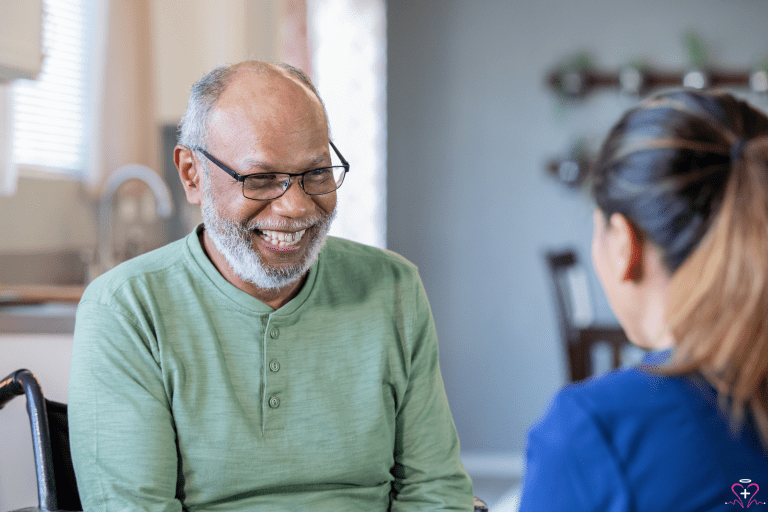
Home health aides also foster emotional support, forming trusted bonds with the seniors they serve. Through casual conversation, they learn about the client’s hobbies, preferences, and concerns, helping to alleviate loneliness or isolation. A compassionate HHA listens actively, offers reassurance, and may even coordinate with family caregivers to arrange leisure activities—like reading together or doing simple crafts. This blend of personal connection and professional care profoundly impacts a senior’s mental health.
End-of-Life Comfort and Palliative Care
In cases where a senior is approaching end-of-life or dealing with advanced illness, HHAs provide crucial comfort measures. They ensure the client’s position is changed regularly to avoid bedsores, assist with gentle sponge baths, and remain attentive to pain or discomfort levels. Working closely with hospice teams or palliative specialists, aides become a consistent presence, reducing stress on family members who might otherwise attempt 24/7 care alone. Through compassionate attention and small gestures of comfort, HHAs allow seniors to maintain dignity during life’s final stage.
Integration into a Care Plan
Ultimately, the wide-ranging duties of a home health aide align with a broader care plan orchestrated by nurses, physicians, or families. Communication forms the backbone of this integration: HHAs relay daily observations, seniors’ mood changes, and vital sign fluctuations, contributing to a dynamic, personalized approach. At All Seniors Foundation, we emphasize that HHAs are not just service providers but active participants in safeguarding a senior’s holistic health. By addressing both physical and emotional realms, they enable older adults to thrive at home, enjoying familiarity and comfort despite evolving care needs.
In short, an HHA’s responsibilities extend far beyond basic housekeeping or reminders. They embody a multi-faceted role: blending personal care, light clinical oversight, emotional companionship, and safety assurance into one continuous stream of support. Families who engage with professional HHAs often find that their loved ones experience fewer hospital visits, better routine adherence, and a more profound sense of independence and security within their own living spaces.