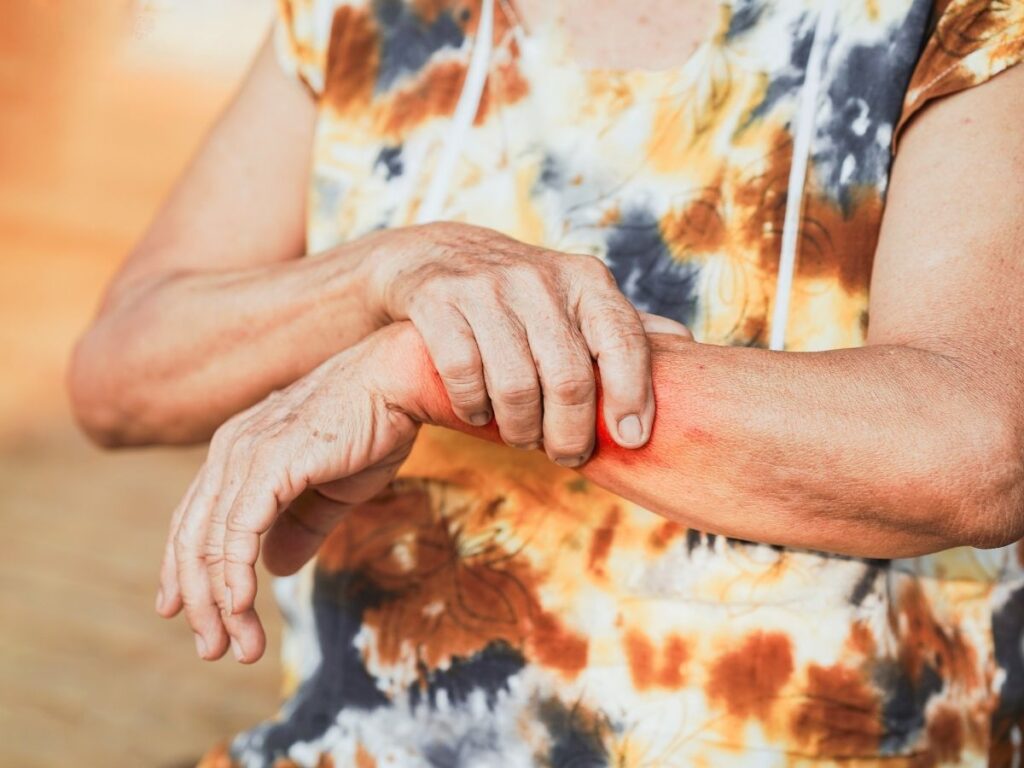
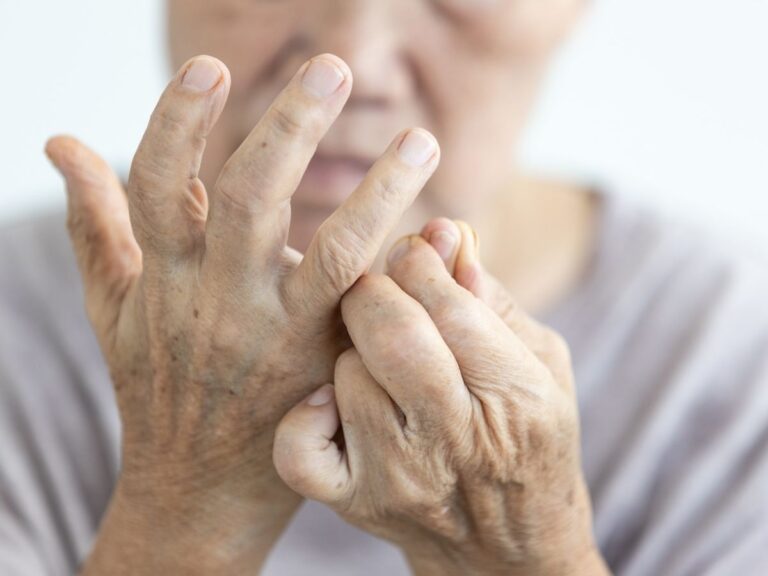
Hand tremor can affect writing, eating, drinking, grooming, medication use, and confidence in social situations. Tremor may be its own condition or a symptom related to medications, neurologic conditions, thyroid issues, anxiety, or other health concerns.
All Seniors Foundation helps older adults and families organize practical next steps. This page is educational, not a diagnosis or a substitute for a clinician. It is designed to help you understand common symptoms, prepare better questions, and connect with appropriate care resources in Los Angeles.
Common symptoms to review
Symptoms matter most when they are specific. Before a visit, write down when symptoms started, what makes them better or worse, and how they affect daily routines.
- Shaking in one or both hands during action or at rest.
- Difficulty writing, using utensils, drinking, or buttoning clothes.
- Tremor that worsens with stress, fatigue, caffeine, or certain medications.
- New tremor with balance, speech, stiffness, or weakness changes.
What a clinician may ask about
A careful conversation can help separate urgent warning signs from longer-term support needs. Seniors should bring a medication list, recent test results when available, and notes about falls, pain, weakness, or functional changes.
- When tremor happens and whether it occurs at rest or during action.
- Medication list, caffeine use, thyroid history, and family history.
- Whether symptoms include stiffness, slow movement, falls, or speech changes.
- Which daily tasks are hardest and what adaptive tools may help.
Support options for seniors and families
Support often includes more than one step. Depending on the concern, a care plan may involve medical evaluation, therapy, home safety, mobility support, medication review, transportation, or caregiver help.
- Appointment preparation for primary care or neurology visits.
- Occupational therapy and adaptive equipment discussions.
- Medication-management support when tremor affects pill handling.
- Home support with meals, grooming, writing, and safety routines.
Home safety and daily routine planning
Many senior condition concerns become more serious when pain, weakness, numbness, dizziness, or stiffness changes how someone moves around the home. Simple preparation can reduce avoidable stress: clear walkways, keep important items within reach, use good lighting, wear supportive footwear, and ask about bathroom safety if bathing or transfers feel uncertain.
Families should also watch for changes in sleep, appetite, mood, activity level, and confidence. A senior who stops walking, avoids appointments, skips meals, or stops bathing because of symptoms may need more support than the symptom name alone suggests.
When to ask for medical help
Seek urgent care for sudden tremor with weakness, trouble speaking, severe headache, confusion, or new loss of coordination.
If symptoms are new, worsening, or affecting safety, call a licensed medical professional. If symptoms feel sudden or severe, use emergency services instead of waiting for a routine appointment.
How All Seniors Foundation can help
Our team can help seniors and families organize questions, coordinate care resources, review home-support needs, and prepare for follow-up. We focus on practical support: transportation questions, care navigation, mobility concerns, home safety, therapy coordination, and making sure the next step is clear.
Call All Seniors Foundation to ask about available support. We can help you think through what is happening, what information to gather, and which services may fit the situation.
Trusted resource
For additional medical background, review MedlinePlus tremor information.
Frequently asked questions
Does hand tremor support for seniors always need specialist care?
Not always. Many concerns start with primary care, especially when symptoms are mild or gradual. Specialist care may be recommended when symptoms are severe, persistent, complex, or affecting safety.
What should I write down before calling?
Write down when symptoms started, where they are located, what makes them better or worse, recent falls or injuries, current medications, and which daily activities are harder now.
Can home support help while medical evaluation is pending?
Yes. Home support can help reduce stress around bathing, dressing, meals, transportation, mobility, and appointment follow-up while the medical team evaluates symptoms and next steps.