Uncovering Hidden Eye Risks Through Genetics
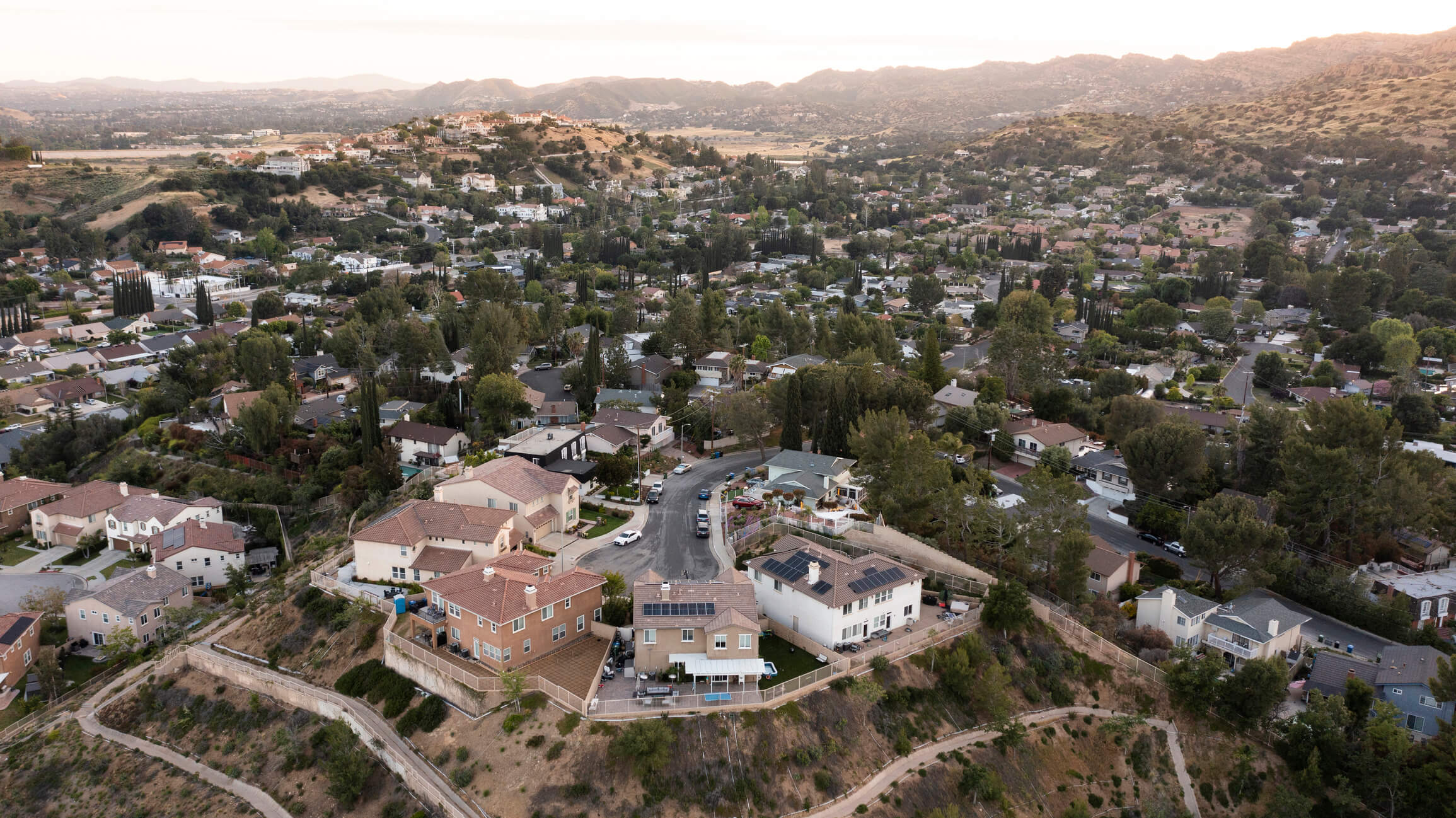
Chatsworth, known for its rugged landscapes and suburban charm, is a favored home for many retirees seeking a peaceful environment. Yet, serenity alone doesn’t ward off ocular challenges that often arise with aging. Eye Disorder Genetic Risk Testing sheds light on hereditary factors responsible for conditions like macular degeneration, glaucoma, and cataracts, offering a proactive stance for seniors in Chatsworth. By pinpointing gene variants, older adults gain clarity about potential future complications, the urgency of advanced screenings, and the possibility of targeted treatments. This approach can keep them enjoying Chatsworth’s scenic hills and community gatherings with a stable, dependable sense of vision.
The Value of Early Detection
Chatsworth’s seniors often fill their days with leisurely walks along nature trails, meeting friends in local cafés, or partaking in social clubs. Vision lapses—whether difficulty reading or trouble discerning objects in low light—can disrupt these routines significantly. Genetic testing identifies whether a family link intensifies these risks, prompting timely interventions that may help maintain or restore clearer sight. For instance, a senior who tests positive for a glaucoma-related mutation can begin periodic eye pressure measurements earlier, possibly preventing optic nerve damage. In a neighborhood that treasures active aging, this knowledge fosters a watchful, engaged approach to eye health, often involving close collaboration with local healthcare providers.
Frequent Hereditary Eye Disorders
Some ocular ailments, though widely associated with aging, have a substantial genetic basis. Certain forms of macular degeneration progress rapidly in those carrying specific gene variants, leading to distortion or loss of central vision. Glaucoma, an ailment that exerts damaging pressure on the optic nerve, may present early or aggressively in families with known mutations. There is also a genetic predisposition to developing cataracts prematurely, complicating tasks like reading fine print or recognizing street signs. By testing for these markers, older adults can more accurately predict disease timelines, understanding why mild blurriness today might escalate swiftly if left unchecked. This insight clarifies individualized care pathways, letting Chatsworth seniors preserve their treasured activities longer.
How the Testing Works
Eye Disorder Genetic Risk Testing typically commences when a primary care doctor or ophthalmologist suspects a hereditary influence, perhaps due to a patient’s family history of vision problems. Blood or saliva samples are collected and forwarded to specialized labs. Once analyzed, a genetic counselor or the attending specialist reviews the results, explaining each finding’s real-world implications—like whether an identified variant suggests a moderate or high disease risk. For Chatsworth seniors, these results can streamline appointment scheduling for advanced imaging or laser evaluations. By detecting anomalies long before they cause irreversible harm, older adults can plan interventions on a more comfortable timetable, mitigating disruptions to daily life and financial strain.
weighing Benefits and Concerns
While most seniors welcome clarity on health risks, genetic insights sometimes spark mixed feelings. Learning about a strong hereditary predisposition may cause anxiety over potential procedures, vision loss, or long-term care expenses. However, local Chatsworth healthcare providers emphasize that early detection is key—potentially reducing the severity of interventions needed. Moreover, insurance often covers at least a portion of genetic evaluations and subsequent treatments, easing financial concerns. Emotional hurdles, such as explaining test outcomes to relatives who share similar risks, can be tackled through genetic counseling sessions. By focusing on preventative measures and open communication, older adults harness the power of knowledge to drive beneficial change rather than fear.
Local Healthcare Infrastructure
Chatsworth’s medical landscape caters to the needs of seniors, housing various specialists in ophthalmology, general practice, and counseling. Many clinics offer user-friendly settings—simple navigation, short wait times, and staff trained in geriatric care. Pharmacies close to retirement communities ensure prescription processes are hassle-free, simplifying the use of eye drops or other therapies recommended after test results. Transportation options, including community shuttles and volunteer ride programs, allow older adults to attend appointments without burdening family members. Meanwhile, local senior centers host informational events on wellness topics, from advanced eye care techniques to mental well-being after receiving genetic test results—reinforcing a collective readiness to address health proactively.
All Seniors Foundation & Genetic Testing Guidance
The All Seniors Foundation complements Chatsworth’s resources by managing the details of Eye Disorder Genetic Risk Testing for older adults. Their dedicated staff clarifies insurance terms, recommends accredited labs, and aligns test schedules with existing medical commitments to reduce duplication. Post-testing, they also connect seniors to reputable specialists—ophthalmologists or optometrists with a track record of geriatric expertise. Through workshops and group sessions, participants can share experiences and gain practical advice on daily coping strategies, such as proper lighting setups or safe exercise routines to maintain coordination. This comprehensive approach empowers older adults to make confident health decisions that resonate with Chatsworth’s ethos of independence and quality of life.
Essential Tips for Seniors
- Maintain an eye health diary, jotting down changes in visual clarity or light sensitivity.
- Request routine pressure checks if genetic findings indicate glaucoma susceptibility.
- Balance nutrient-rich foods—like leafy greens—into your diet, as they can bolster ocular resilience.
- Encourage relatives with similar risk factors to undergo testing, promoting earlier intervention for everyone.
- Lean on volunteer driver programs to keep medical follow-ups consistent and manageable.
Staying Proactive for Future Vision
Genetic testing in Chatsworth underscores an essential principle: knowledge paves the way for better outcomes. By identifying inherited vulnerabilities to eye disorders, seniors remain steps ahead, implementing lifestyle shifts and medical approaches that preserve sight. This synergy of modern diagnostics, local healthcare resources, and the neighborly spirit of Chatsworth nurtures a culture of vigilance and collaboration. Seniors don’t have to wait passively for advanced symptoms; instead, they actively fortify vision longevity, ensuring they can still stroll the local trails, savor scenic vistas, and participate fully in the lively community that makes Chatsworth such an attractive place to call home.