Understanding Senior Wound Care Needs in 2026
The Unique Challenges of Aging Skin
As our skin ages, it becomes thinner, less elastic, and more fragile, making seniors more susceptible to wounds and slower healing times. By 2026, advances in dermatological science have highlighted the critical need for specialized wound care supplies that cater specifically to the needs of elderly skin. These products focus on gentle adhesion, moisture balance, and infection prevention to support optimal healing.
Why Specialized Wound Care Supplies Matter
Using the right senior wound care supplies reduces the risk of complications such as infections, skin breakdown, and prolonged recovery. Improper dressing or inferior materials can aggravate sensitive, aging skin. Our team at All Seniors Foundation emphasizes that selecting products designed for elderly wound healing is not just about comfort but also about improving outcomes and preserving quality of life.
Common Types of Wounds in Seniors
Seniors are particularly vulnerable to certain wounds including:
- Pressure ulcers (bedsores): Resulting from prolonged immobility.
- Venous ulcers: Poor circulation causing skin breakdown on legs.
- Diabetic foot ulcers: Complications from diabetes affecting feet.
- Minor cuts and abrasions: Due to thinner skin and accidental injuries.
Top Senior Wound Dressing Options in 2026
Hydrocolloid Dressings
Hydrocolloid dressings remain a top choice for elderly wound care due to their moisture-retentive properties. These dressings create a protective barrier that promotes a moist environment, accelerating healing and reducing pain. Their adhesive is formulated to be gentle on delicate skin, minimizing trauma upon removal.
Foam Dressings with Modern Adhesives
Recent advances in foam dressing adhesives help avoid skin stripping and irritation, challenges that previously limited the use of foam dressings in seniors. These dressings offer excellent absorption for wounds with moderate exudate, cushioning the wound, and protecting against external contaminants.
Silicone-Based Dressings
Silicone-based wound dressings provide a breakthrough in elderly wound management by offering secure adherence without sticking to the wound bed or surrounding skin. This reduces pain during dressing changes and helps preserve fragile skin integrity. Many senior caregivers now prefer silicone dressings for chronic, slow-healing wounds.
Essential Aging Skin Care Products for Wound Prevention
Moisturizing with Barrier Creams
Proper skin hydration is a foundation of wound prevention. Modern aging skin care products emphasize barrier creams enriched with ceramides and hyaluronic acid. These components restore moisture without occluding the skin, helping to protect against breakdown, particularly in vulnerable areas prone to friction or moisture exposure.
Innovative Cleansers for Sensitive Skin
Gentle cleansing removes pathogens and debris while preserving the skin’s natural oils. Look for pH-balanced, fragrance-free, and non-foaming cleansers that are specially formulated for aged skin. Using these products daily can reduce the risk of infection around wound sites or vulnerable skin areas.
Protective Dressings and Supports
Beyond wound-specific supplies, protective dressings such as silicone scar sheets or breathable film dressings can help shield at-risk skin from further injury. Additionally, compression garments and support hose designed for seniors help improve circulation and reduce pressure ulcer risks.
Retirement Medical Supplies for Convenient Senior Wound Care
Pre-Packaged Wound Care Kits
In 2026, convenient, ready-to-use wound care kits designed specifically for retirement and assisted living communities have surged in popularity. These kits combine essential supplies such as dressings, cleansers, and gloves in compact formats, making wound management easier for seniors and caregivers alike.
Smart Wound Monitoring Devices
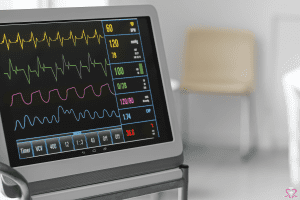
Cutting-edge technology now integrates with wound care supplies. Smart sensors embedded in dressings can monitor moisture levels, temperature, and signs of infection, providing real-time data to caregivers and health professionals. This proactive approach helps catch complications early and tailor treatments accordingly.
Ergonomic Tools for Caregivers
Senior wound care often involves caregivers who benefit from ergonomic and user-friendly tools such as no-touch applicators, antimicrobial scissors, and disposable gloves with superior tactile sensitivity. These innovations reduce caregiver strain and improve safety during wound dressing changes.
Caregiver Wound Care Tips for Seniors in 2026
Maintaining Cleanliness and Hygiene
Effective wound care begins with strict hand hygiene and use of clean supplies during every dressing change. Our team at All Seniors Foundation highlights the importance of washing hands thoroughly and wearing disposable gloves to prevent cross-contamination.
Regular Wound Assessment and Documentation
Caregivers should assess wounds frequently, noting changes in size, appearance, and exudate. Utilizing smartphone apps or simple checklists can improve consistency. Early detection of infections or delayed healing can prompt timely medical intervention.
Promoting Optimal Nutrition and Hydration
Nutrition plays a vital role in skin repair and wound healing. Encouraging seniors to consume protein-rich meals, vitamins (such as Vitamin C and zinc), and stay hydrated supports cellular rebuilding and immune function.
Addressing Chronic Wounds and Advanced Care Options
Specialized Dressings for Chronic Ulcers
For chronic wounds like diabetic foot ulcers or venous stasis ulcers, advanced hydrogel and alginate dressings provide sustained moisture and absorb excess exudate. These products are designed to be changed less frequently, reducing trauma and infection risk.
Negative Pressure Wound Therapy (NPWT)
NPWT devices have seen advancements making them more portable and affordable by 2026, with tailored models for home use. This therapy creates controlled suction to promote blood flow and accelerate healing in complicated wounds.
Collaborating with Healthcare Providers
Chronic wounds require ongoing management and coordination with wound care specialists. Caregivers should maintain open communication with medical teams to ensure care plans are up-to-date and incorporate the latest evidence-based treatments.
Latest Innovations in Senior Wound Care Supplies for 2026–2027
Biodegradable and Eco-Friendly Dressings
With a growing emphasis on sustainability, many senior wound care products are now biodegradable, reducing environmental impact without compromising efficacy. Eco-friendly materials combine natural fibers with advanced polymers for safe, effective healing environments.
Antimicrobial Dressing Technologies
Dressings infused with antimicrobial agents, such as silver nanoparticles and honey derivatives, have become more refined and targeted. These prevent biofilm formation and combat resistant bacteria, a growing concern in long-term senior wound care.
AI-Assisted Wound Assessment Tools
Artificial intelligence-powered smartphone apps and devices enable caregivers to upload wound images for analysis and healing predictions. These tools guide product selection and help personalize care plans to individual senior needs.
Practical Shopping Guide: What to Look for When Purchasing Senior Wound Care Supplies
Key Features for Aging Skin Compatibility
- Gentle adhesives: Avoid skin trauma and pain.
- Breathability: To prevent maceration and irritation.
- Moisture management: Optimal balance to support healing.
- Hypoallergenic components: Reduce risk of allergic reactions.
Trusted Brands and Certifications
Choose products from reputable manufacturers who comply with updated FDA or equivalent regulatory standards. Look for senior-friendly formulations endorsed by wound care associations and peer-reviewed clinical studies.
Where to Buy Retirement Medical Supplies Safely
Purchasing through licensed pharmacies, medical supply stores catering to senior needs, or trusted online retailers ensures product authenticity and availability of customer support for troubleshooting and guidance.
Frequently Asked Questions (FAQ)
Q1: How often should wound dressings be changed for seniors?
A: Dressing change frequency depends on the wound type and the product used. In 2026, many modern dressings allow for changes every 3-7 days unless the wound shows signs of infection or heavy exudate. Always follow healthcare provider guidance.
Q2: Can caregivers manage pressure ulcers at home?
A: With proper wound care supplies and training, many pressure ulcers can be managed at home. It is crucial to incorporate repositioning schedules, use pressure-relieving devices, and collaborate with healthcare professionals as needed.
Q3: Are silver-infused dressings safe for long-term use?
A: Yes, silver-infused dressings are generally safe and effective for managing infection risks, but they should be used based on medical advice to avoid potential skin sensitivities or resistance issues.
Q4: What are the signs of wound infection to watch for?
A: Common infection signs include increased redness, swelling, warmth around the wound, foul odor, pus, and worsening pain. If any of these appear, seek medical attention promptly.
Q5: How can nutrition support wound healing in seniors?
A: A diet rich in protein, vitamins C and D, zinc, and adequate hydration is essential for wound healing. Supplements may be recommended when dietary intake is insufficient. Consulting a dietitian can optimize nutrition plans.
Q6: Are there any new wound care supplies specifically designed for dementia patients?
A: Yes, 2026 has seen an increase in developing secure, tamper-resistant dressings designed to accommodate the behavioral challenges in seniors with dementia, helping to maintain wound integrity while minimizing distress during dressing changes.
Key Takeaways
- Senior wound care in 2026 requires specialized supplies that accommodate fragile, aging skin and promote optimal healing environments.
- Modern dressings such as hydrocolloid, silicone-based, and advanced foam options offer gentle adhesion and effective moisture management.
- Aging skin care products focusing on hydration, gentle cleansing, and barrier protection are essential in preventing wounds.
- Innovations like smart wound monitoring and AI-assisted assessment tools are revolutionizing home care by enabling real-time management and personalized treatments.
- Caregivers should focus on hygiene, regular assessment, proper nutrition, and collaborating with healthcare providers to ensure best outcomes.
- Choosing trusted brands and purchasing products through reliable channels helps safeguard the quality and safety of wound care supplies.
Our team at All Seniors Foundation remains dedicated to equipping seniors and their caregivers with the most up-to-date information and resources. By staying informed on the latest wound care advances in 2026 and beyond, you can help your loved ones live healthier, more comfortable lives.