
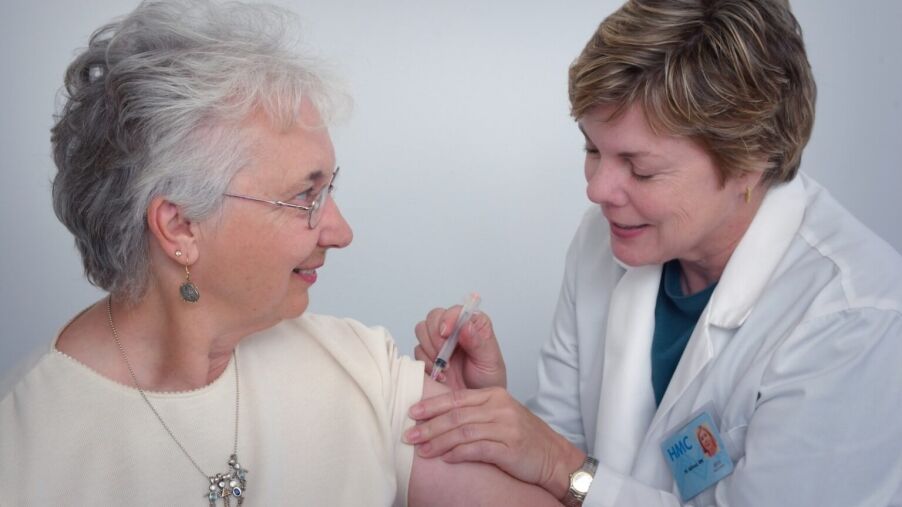
Introduction to Smart Home Medical Devices in Senior Care
As technology advances rapidly in 2026 and 2027, smart home medical devices are transforming how seniors and their families manage health and safety at home. Innovations in aging in place technology now empower seniors to maintain independence while ensuring timely health monitoring and caregiver assistance. These modern elderly home equipment solutions combine convenience, accuracy, and connectivity, making home environments safer and more supportive than ever before.
Our team at All Seniors Foundation is committed to guiding seniors and caregivers through choosing the best senior medical devices tailored to individual needs. This comprehensive overview introduces the top smart home medical devices available today, spotlighting tools that improve quality of life and provide peace of mind for families.
1. Advanced Remote Health Monitoring Systems
Trends in Remote Patient Monitoring for Seniors
Remote patient monitoring (RPM) has become a cornerstone of retirement health monitoring. The latest systems integrate AI-driven analytics with wearable tech and in-home sensors to provide continuous health data without intrusive check-ins. From heart rate to oxygen saturation, these devices allow caregivers and healthcare providers early detection of potential health issues, reducing hospital visits.
Key Devices and Features
- wearable Health Trackers: New-generation wearables focus on accuracy and comfort, measuring blood pressure, heart rhythm (including atrial fibrillation detection), and glucose levels for diabetics.
- Smart IoT Sensors: Non-wearable sensors monitor movement, falls, sleep quality, and even breathing patterns, creating a detailed health profile.
- AI Analytics Platforms: These cloud-connected platforms analyze collected data trends, automatically alerting caregivers and physicians if abnormalities arise.
To explore supported remote health monitoring options, visit Remote Patient Monitoring offered by All Seniors Foundation.
Benefits for Seniors and Caregivers
Smart RPM systems empower seniors with real-time health insights while alleviating caregiver stress by providing reliable, ongoing data and emergency alerts. With seamless integration into existing home networks, these devices make aging in place safer and more feasible.
2. Smart Fall Detection and Prevention Devices
Why Fall Detection is a Priority in 2026
Falls remain a leading cause of injury among the elderly, making advanced fall detection critical. Modern devices not only detect falls with greater precision but also proactively reduce fall risk by tracking gait stability and environmental hazards.
Top Smart Fall Detection Technologies
- Smart wearables: Lightweight pendants and smartwatches achieved 98% accuracy in fall detection by utilizing multi-sensor fusion technology.
- Floor and Motion Sensors: Radar and infrared sensors placed strategically detect abnormal motion patterns and warn before falls occur.
- AI-Integrated Cameras: Privacy-focused vision systems use AI to monitor movement and identify potential trip hazards or unsafe behaviors.
Our detailed overview of fall prevention solutions is part of What we Provide to seniors for maximizing home safety.
Integration with Emergency Response
These devices automatically communicate with emergency services or designated contacts in case of a detected fall, accelerating response times and reducing complications.
3. Medication Management Solutions for Seniors
Challenges in Senior Medication Adherence
Polypharmacy is common among seniors, making medication management a challenge. Missed doses or errors can lead to hospitalization or worsening conditions. In 2026, smart medication devices have evolved to address these issues with intelligent reminders, locking mechanisms, and data sharing.
Leading Medication Management Devices
- Smart Pill Dispensers: Devices like automated dispensers schedule, dispense, and alert seniors and caregivers when medications are due.
- Mobile Apps with AI Assistance: Apps integrated with smart home assistants help track pill intake and provide refills notifications.
- Remote Monitoring Features: Caregivers receive real-time adherence reports, allowing timely interventions.
For seniors balancing multiple prescriptions, personalized medication management support is available through Home Health Care for Seniors.
Enhancing Safety and Independence
These technologies reduce risk of overdose or missed doses and encourage autonomy, essential for quality of life.
4. Smart Environmental Sensors and Home Automation
Creating Safer Living Spaces
Environmental control and safety are vital components of aging in place technology. Smart sensors can track air quality, detect smoke or carbon monoxide, and monitor utilities like water leaks or unusual room temperature changes, preventing accidents and chronic health exacerbations.
Popular Smart Sensors and Automation Tools
- Air and Gas Quality Sensors: These continuously scan indoor environments for allergens, pollutants, or hazards, sending alerts to smartphones or caregivers.
- Smart Lighting and Motion Sensors: Automated lighting reduces trip hazards by illuminating frequently used paths when movement is detected.
- Voice-Controlled Home Systems: Seniors can control locks, thermostats, and electronic devices hands-free, improving accessibility.
For assistance in modifying homes for greater safety, consider the extensive Home Safety Modifications offered by All Seniors Foundation.
Combining Safety with Comfort
These smart environmental technologies not only protect health but also create more comfortable, adaptable living environments for seniors.
5. Telehealth-Enabled Diagnostic and Monitoring Devices
Telehealth Growth and Its Role in Home Care
Telehealth has surged as a preferred healthcare delivery method for seniors. Devices that integrate diagnostic capabilities with telemedicine platforms enable seniors to consult healthcare providers remotely without leaving their homes.
State-of-the-Art Telehealth Devices
- Portable Diagnostic Kits: Devices for ECG, blood pressure, pulse oximetry, and even ultrasound are now compact and designed for home use.
- Smart Digital Stethoscopes and Otoscopes: These devices transmit collected data directly to clinicians for real-time evaluation.
- Connected Lab Tests: Home phlebotomy and specimen collection kits complement these devices, ensuring comprehensive care (learn more at Mobile Phlebotomy Services).
Integrating these technologies with telehealth platforms enhances access and convenience for seniors and caregivers alike.
Impact on Chronic Disease Management
Telehealth devices allow regular monitoring of chronic conditions such as heart disease, diabetes, and pulmonary disorders. Home health monitoring paired with virtual visits improves treatment adherence and early intervention, a critical advance in 2026 senior care.
6. Smart Mobility and Assistive Devices
Advances in Mobility Aid Technology
Seniors often face mobility challenges that affect independence. Recent breakthroughs in mobility aids provide enhanced support and connectivity features tailored for safety and ease of use.
Modern Mobility Innovations
- Smart Canes and Walkers: Embedded sensors detect gait irregularities and provide fall alerts. Some models include GPS tracking for outdoor safety.
- Electric Wheelchairs and Scooters: Offer customizable settings, obstacle detection, voice commands, and app integration for caregivers to monitor usage.
- Stair and Bathroom Assist Devices: Intelligent lifts and bathroom aids equipped with emergency alert systems reduce accident risks in challenging home areas.
Explore mobility assistance solutions accessible via What we Provide to enhance seniors’ movement and independence.
Improving Quality of Life and Confidence
With the aid of these smart devices, seniors can navigate their homes and communities more safely, reducing isolation and dependency.
7. Smart Nutrition and Hydration Monitoring
The Importance of Nutrition and Hydration in Aging
Proper nutrition and hydration are vital for maintaining health in seniors, yet these areas are often overlooked. New smart devices help track dietary intake and fluid consumption, ensuring seniors remain well-nourished and hydrated.
Latest Smart Nutrition Devices
- Smart Food Scales and Inventory Systems: Track nutrient intake and suggest dietary adjustments.
- Hydration Monitoring Bottles: Equipped with sensors that remind seniors to drink water and track consumption patterns.
- Connected Meal Delivery Integration: Some devices sync with meal services to tailor menus based on health needs.
If you or a loved one require assistance with nutritious meal planning and delivery, Free In-Home Care for Seniors in Los Angeles includes nutrition support services.
Promoting Health Through Technology
By monitoring nutrition and hydration, these smart tools prevent malnutrition and dehydration, common complications among the elderly.
8. Smart Emergency Response and Communication Systems
Next-Generation Emergency Response Solutions
Seniors living independently or with minimal supervision benefit greatly from enhanced emergency response systems designed to connect them instantly with help when needed.
Features of Modern Emergency Systems
- wearable Emergency Buttons and Voice-Activated Alerts: Allow seniors to summon help hands-free.
- Multi-Platform Communication Devices: Support video calling, text messaging, and integration with healthcare providers.
- Location Tracking: GPS capabilities help responders locate seniors quickly in case of emergencies.
These critical safety tools align with comprehensive home health options available through Home Health Care for Seniors programs.
Peace of Mind for Families and Caregivers
Smart emergency systems provide families with assurance that help is accessible, improving overall senior security and confidence.
9. Integration and Interoperability: Building a Connected Senior Care Ecosystem
Why Integration Matters in 2026-2027
The true power of smart home medical devices lies in their ability to work cohesively. Interoperability between devices, healthcare providers, and caregivers is essential for holistic senior care.
Platforms Facilitating Device Integration
- Health Data Hubs: Centralized systems aggregate data from various devices, providing unified dashboards accessible to seniors, caregivers, and medical professionals.
- Voice Assistants and AI Care Coordinators: Manage routines, coordinate emergency contacts, and suggest health interventions based on data trends.
- Secure Cloud Networks: Ensure that sensitive information is shared safely and complies with regulations such as HIPAA (HIPAA guidelines).
All Seniors Foundation is dedicated to educating families on leveraging these integrated systems for improved care. Review Our Services to discover support in optimizing technology use at home.
Future Directions in Senior Care Technology
Looking ahead, we anticipate wider adoption of AI-driven personalized care plans, predictive health analytics, and smart environments that adapt automatically to seniors’ needs.
FAQ About Smart Home Medical Devices for Senior Care
1. Are smart medical devices difficult for seniors to use?
Modern devices prioritize user-friendly interfaces with voice, touch, or minimal-step operation. Many include large displays, audio prompts, and caregiver monitoring options to support ease of use.
2. How can I ensure my senior loved one’s privacy with these devices?
Using devices that comply with the latest security standards, such as end-to-end encryption and HIPAA compliance, protects privacy. Learn more about privacy from All Seniors Foundation’s resources.
3. Can these devices replace in-person caregiving?
While smart devices augment safety and monitoring, they do not replace the compassionate and personalized assistance provided by human caregivers. Combining technology with services such as Free In-Home Care for Seniors in Los Angeles offers the best outcomes.
4. What should I look for when choosing a smart device for a senior?
Consider the senior’s specific health needs, tech comfort level, device reliability, integration with other systems, and support availability.
5. Are these devices covered by insurance or Medicare?
Coverage varies. Some devices used for chronic disease management or remote monitoring are eligible under Medicare and insurance plans. Our Our Services team can assist with navigating benefits for medical equipment assistance.
6. How often do these devices need maintenance or updates?
Most smart devices receive automatic updates; however, regular maintenance checks, battery replacement, and connectivity monitoring ensure optimal function.
Key Takeaways
- Smart home medical devices in 2026-2027 include advanced remote monitoring, fall detection, medication management, and environmental sensors that improve safety and health outcomes for seniors.
- Integration and interoperability of these devices create a connected care ecosystem empowering seniors and caregivers.
- Telehealth-enabled diagnostic tools and personalized nutrition/hydration monitoring are expanding comprehensive home care capabilities.
- While technology supports independence, combining it with professional care services such as home health care for seniors enhances quality of life.
- Privacy, ease of use, and emergency response integration are critical features to consider when selecting devices.
- Our team at All Seniors Foundation is dedicated to helping seniors and families navigate these innovations to live their best lives safely at home.
For detailed information on services, home modifications, and personalized senior care solutions, explore What we Provide and Our Services to find the support suited to your needs.
Families interested in free or specialized care programs can learn about Free In-Home Care for Seniors in Los Angeles and other community resources to maximize safety and well-being.





