Introduction to Senior Community Activities in 2026
As we move further into 2026, the landscape of senior living and active retirement continues to evolve with an emphasis on holistic wellness, social engagement, and lifelong learning. For many elderly individuals, community activities provide essential opportunities to foster friendships, maintain physical and cognitive health, and create meaningful experiences during retirement. Our team at All Seniors Foundation is committed to sharing the most current and effective approaches to active aging programs that empower seniors to live vibrant and fulfilling lives.
In this article, we explore top senior community activities that are gaining traction in 2026, backed by the latest trends in elderly social engagement and caregiver support. Whether you’re a senior looking to enrich your retirement lifestyle or a caregiver seeking supportive resources, these opportunities can enhance quality of life and wellbeing.
Benefits of Senior Community Activities
Physical Health and wellness
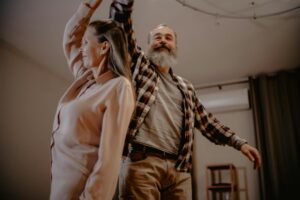
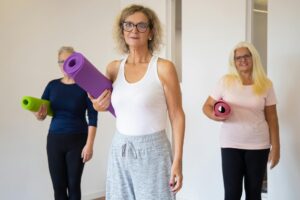
Engaging regularly in community activities helps seniors maintain mobility, balance, and overall physical health. Activities such as group fitness classes, walking groups, and adaptive sports improve cardiovascular health, muscle strength, and coordination, reducing the risk of falls and chronic illnesses.
Mental and Cognitive Stimulation
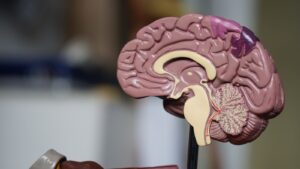
Social engagement through community events is directly linked to better cognitive function in older adults. Programs like book clubs, chess groups, and educational workshops stimulate the brain, helping to delay cognitive decline and improve memory and problem-solving skills.
Emotional and Social wellbeing
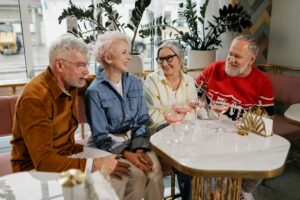
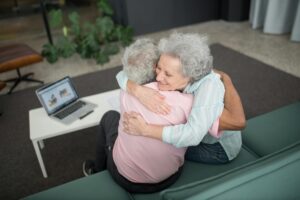
Lack of social interaction is a major risk factor for depression and anxiety in seniors. Participating in group activities fosters a sense of belonging, decreases feelings of loneliness, and boosts self-esteem. Many community programs include emotional wellness components such as peer counseling and mindfulness sessions to support mental health.
Popular Senior Community Activities in 2026
Intergenerational Programs
One of the most dynamic trends in 2026 is the rise of intergenerational community activities that bring together seniors and younger generations. These programs include mentorship opportunities, shared arts and crafts sessions, and joint technology workshops. Seniors benefit from learning new skills, while younger participants gain wisdom and empathy.
Outdoor Fitness and Nature-Based Activities
As green spaces and parks have become more senior-friendly, outdoor activities are flourishing. Community gardening, tai chi in the park, bird-watching clubs, and nature walks encourage physical activity while connecting seniors with nature, which has proven benefits for mood and stress reduction.
Technology Workshops and Virtual Engagement
Technology is now a cornerstone of senior community engagement in 2026. Workshops teaching seniors how to use smartphones, social media, and video calls help maintain social connections even when in-person interaction is limited. Virtual book clubs, exercise classes, and hobby groups are thriving, especially for homebound seniors.
Active Aging Programs Transforming Retirement Lifestyles
Personalized Fitness Plans and Adaptive Exercise
Modern active aging programs focus on personalized fitness goals tailored to each senior’s abilities. Programs use wearable technology to monitor progress and adjust activities accordingly. Adaptive sports, such as chair yoga and water aerobics, cater to varying mobility levels, ensuring inclusivity.
Lifelong Learning Initiatives
Community centers and libraries now offer extensive lifelong learning opportunities, including language courses, art classes, and history lectures. Seniors engaging in intellectual pursuits report greater life satisfaction and a stronger sense of purpose in retirement.
Cultural and Creative Arts Programs
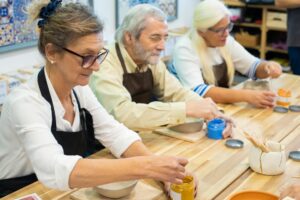
Participation in creative activities like painting, pottery, music therapy, and drama clubs has surged in 2026. These arts programs provide an outlet for self-expression, improve hand-eye coordination, and foster social bonds among fellow participants.
Social Clubs and Volunteer Opportunities for Seniors
Interest-Based Social Clubs
Whether it’s gardening, knitting, bird watching, or bridge, interest-based clubs offer seniors a platform to meet like-minded individuals, share experiences, and nurture hobbies. Many clubs now embrace hybrid meeting models combining in-person and virtual participation for wider access.
Volunteering and Community Service
Volunteering remains a key way for seniors to contribute meaningfully. Opportunities in 2026 include tutoring children, supporting local food banks, organizing community events, and environmental cleanups. Volunteerism promotes a sense of achievement and connection.
Peer Support Networks
Peer support groups addressing issues such as grief, chronic illness, or caregiving challenges are becoming integral parts of senior communities. These networks provide emotional comfort, practical advice, and foster resilience through shared understanding.
Caregiver Support and Inclusion in Community Activities
Programs That Include Caregivers
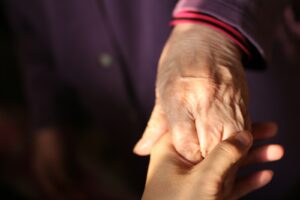
Recognizing the critical role of caregivers, many senior community activities now invite caregivers to participate alongside seniors. Joint activities help strengthen bonds and provide caregiver respite by offering social and recreational outlets.
Respite and Support Services
Programs specifically designed to support caregivers — including support groups, educational workshops, and resource centers — are essential in 2026’s comprehensive model of elderly care. These services help caregivers manage stress and provide better care for their loved ones.
Technology Aiding Caregiver Coordination
Innovations in care management apps and platforms improve communication between seniors, caregivers, and community coordinators. Caregivers can schedule activities, track health metrics, and connect to support services more efficiently.
How Senior Communities are Leveraging Technology in 2026
Smart Community Centers
Many senior centers have incorporated smart technology such as AI-powered activity recommendations, virtual reality (VR) experiences for travel and fitness, and interactive kiosks for event registration. These advances make community participation more engaging and accessible.
Virtual Reality and Augmented Reality
VR/AR programs enable seniors to explore environments, attend virtual cultural events, and participate in guided exercise programs from their homes or senior centers. This technology helps overcome mobility and transportation barriers.
Social Robotics and AI Companions
Social robots are increasingly used in community settings to encourage interaction, assist in exercises, and provide reminders for activities. These companions support mental health and reduce feelings of isolation.
Tailoring Community Activities for Diverse Senior Populations
Inclusion for Seniors with Mobility or Sensory Challenges
Accessible programming ensures seniors with disabilities or sensory impairments can participate fully. This includes adaptive fitness classes, sign language interpreters at events, and modified activity spaces.
Culturally Responsive Activities
Many communities now offer culturally specific activities that honor diverse backgrounds, including multicultural festivals, heritage cooking classes, and language-based social groups, fostering inclusivity and respect.
LGBTQ+ Friendly Senior Programs
Recognizing the unique needs of LGBTQ+ seniors, specialized social groups and support programs focus on safe spaces, health education, and community connections, enhancing wellbeing and reducing discrimination.
Practical Tips for Seniors and Caregivers to Get Involved
Finding and Choosing the Right Activities
Seniors should consider their interests, physical abilities, and social needs when selecting activities. Community boards, senior centers, and online platforms frequently update available programs in 2026 to match these preferences.
Overcoming Barriers to Participation
Transportation, health limitations, and technology skills can hinder participation. Solutions include community shuttle services, home visit programs, and senior tech help desks that offer training and support.
Encouraging Regular Engagement
Setting consistent schedules, joining clubs with friend groups, and mixing physical, social, and intellectual activities help create balanced and sustainable routines. Our team at All Seniors Foundation encourages caregivers to promote varied engagement for holistic wellbeing.
Frequently Asked Questions (FAQs)
What are the best community activities for seniors with limited mobility?
Adaptive exercise classes like chair yoga, water aerobics, seated tai chi, and gentle stretching combined with social activities such as crafting clubs or virtual discussion groups are excellent options.
How can caregivers encourage seniors to participate more in community activities?
Caregivers can motivate seniors by learning about their interests, assisting with transportation, joining activities together, and using positive encouragement to create enjoyable experiences.
Are virtual activities as effective for elderly social engagement as in-person ones?
Virtual activities provide important social connections, especially when mobility or health is limited. However, a blend of in-person and virtual engagement tends to offer the most comprehensive benefits for elderly social wellbeing.
What technology do seniors most commonly use for community engagement in 2026?
Smartphones, tablets, wearable fitness devices, and virtual reality headsets are frequently utilized. Technologies focusing on ease of use, voice commands, and large displays are preferred.
How are communities accommodating the cultural diversity of seniors in their programs?
Communities offer culturally tailored events, language-specific groups, multicultural celebrations, and partnerships with cultural organizations to ensure inclusivity and respect for diversity.
What support is available for caregivers seeking respite through senior community programs?
Many programs now provide caregiver support groups, respite care options, and joint activity participation to offer caregivers relief and assistance while ensuring seniors benefit from enriching experiences.
Key Takeaways
- Senior community activities in 2026 prioritize physical health, cognitive stimulation, and emotional wellbeing to enhance active aging.
- Intergenerational programs, outdoor fitness, creative arts, and technology-driven engagement are prominent trends.
- Diverse populations and those with mobility or sensory challenges are increasingly supported through accessible and culturally responsive programming.
- Technology integration, including VR and AI, is expanding opportunities for connection and enrichment.
- Caregiver inclusion and support are critical components of successful senior activity programs.
- Choosing the right activities and overcoming participation barriers can maximize benefits for seniors and their caregivers.
Our team at All Seniors Foundation remains dedicated to providing up-to-date information and resources that help seniors and their families embrace vibrant and engaged retirement lifestyles in 2026 and beyond.