Introduction: Essential Medical Supplies for Seniors and Caregivers in 2026
As seniors age, their healthcare needs evolve, often becoming more complex and requiring specialized care. For caregivers and loved ones, having the right medical supplies on hand is crucial to ensuring safety, comfort, and health. In 2026, advances in medical technology, updated healthcare guidelines, and innovative products have transformed how we approach elderly care.
Our team at All Seniors Foundation is dedicated to helping seniors live their best lives, and part of that commitment includes guiding families and caregivers on selecting the best medical supplies suited for today’s aging population. Whether managing chronic conditions, addressing mobility challenges, or preparing for emergencies, this comprehensive guide will help you understand the most important elderly care products to have in your home in 2026.
1. Wound Care Supplies for Aging Skin
Understanding the Challenges of Aging Skin
The skin of seniors typically becomes thinner, less elastic, and more susceptible to injury and infections. Wounds and pressure ulcers can take longer to heal, making high-quality wound care supplies essential.
Must-Have Aging Wound Care Supplies
- Advanced Hydrocolloid and Foam Dressings: These products provide a moist healing environment, reduce pain, and prevent infections effectively.
- Antimicrobial Dressings: Silver or iodine-impregnated dressings are excellent for controlling bacteria and promoting healing.
- Gentle Skin Cleansers and Barrier Creams: Using pH-balanced cleansers and barrier creams helps protect fragile skin around wounds.
- Specialized Adhesives and Fixation Products: For sensitive skin, silicone-based adhesives reduce irritation and skin tears.
Innovations in Wound Care for Seniors
In 2026, smart wound dressings equipped with biosensors are becoming more available, allowing caregivers to monitor wound conditions in real time through smartphone apps. These innovations reduce the need for frequent dressing changes and help detect infections early.
2. Diabetes Management Supplies for Retirement Years
Trends in Senior Diabetes Care
Diabetes is one of the most prevalent chronic conditions affecting seniors. Modern diabetes management places a strong emphasis on user-friendly, less invasive monitoring and personalized care plans tailored to older adults.
Essential Retirement Diabetes Supplies in 2026
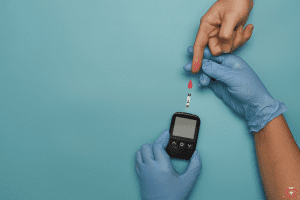
- Continuous Glucose Monitors (CGM): These devices provide real-time glucose readings without frequent finger pricks, improving compliance and glycemic control.
- Smart Insulin Pens and Auto-Injectors: These tools help seniors maintain accurate dosing and offer reminders to enhance medication adherence.
- Foot Care Kits Specifically Designed for Diabetics: Proper foot care reduces the risk of ulcers and infections. Kits with specialized nail clippers, moisturizers, and callus removers are vital.
- Ketone Testing Supplies: Ketone meters and strips are essential for seniors prone to ketoacidosis emergencies.
Technology Meets Convenience
Many diabetes devices now integrate with smartphones or wearable technology, allowing caregivers and seniors to share data with healthcare providers effortlessly. These connected systems enable proactive management and rapid adjustments that can prevent complications.
3. Caregiver First Aid Kits Tailored for Seniors
What Makes a Senior-Focused First Aid Kit?
Typical first aid kits are not always optimized for the unique needs of elderly care. A senior-focused kit addresses common age-related health issues such as fragile skin, slower healing, and increased risk of falls.
Core Items for Caregiver First Aid Kits in 2026
- Pressure-Relieving Dressings: Useful for bruises or minor wounds that can easily turn into pressure ulcers.
- Extra-Soft Gauze and Bandages: Minimizes skin trauma when changing dressings.
- Pain Relief Solutions: Topical analgesics, heat patches, and cold compresses designed for sensitive skin.
- Fall and Mobility Emergency Supplies: Items like temporary splints, mobility aids repair tools, and emergency contact devices.
- Automated External Defibrillator (AED) Awareness: While AEDs are not always part of home kits, basic knowledge and signage can be lifesaving for caregivers.
Customizing Your Kit
Our team at All Seniors Foundation recommends reviewing the health profile of your loved one regularly to update first aid supplies accordingly, ensuring optimal preparedness for emergencies.
4. Mobility and Respiratory Supports
Advances in Mobility Aids
Modern mobility products for seniors are not only more functional but also more aesthetically pleasing and easier to use. From lightweight walkers to smart wheelchairs with health monitoring features, mobility aids have significantly evolved.
Essential Mobility Medical Supplies in 2026
- Smart Walkers with Fall Detection: These devices alert caregivers if the user falls or requires assistance.
- Ergonomic Canes and Crutches: Designed to reduce joint stress and improve stability.
- Pressure-Relieving Seat Cushions: To prevent pressure sores for those using wheelchairs or sitting for prolonged periods.
Respiratory Care Products
Respiratory issues are common among many seniors, and having the right supplies can promote comfort and reduce hospital visits.
- Portable Oxygen Concentrators: More compact and rechargeable than traditional tanks, allowing greater independence.
- Smart Nebulizers: These devices track usage and send reminders for medication doses.
- Pulse Oximeters with Connectivity: Real-time oxygen saturation monitoring linked to caregivers’ phones or healthcare providers.
5. Bathroom Safety and Hygiene Supplies
The Importance of Bathroom Safety
The bathroom is one of the highest-risk areas for injury in the home, especially for seniors. Preventing falls and ensuring hygiene is critical to maintaining health and independence.
Key Bathroom Safety Medical Supplies
- Grab Bars and Shower Chairs: These support devices reduce fall risks and provide stability.
- Non-Slip Mats and Adhesive Strips: Essential for both the shower and bathroom floors.
- Raised Toilet Seats with Handles: Easier for seniors with mobility impairments to use.
- Bidet Attachments: Increasingly popular for improving hygiene while being gentle on sensitive skin.
Hygiene Products Designed for Seniors
Moisturizing soaps, gentle wipes formulated for sensitive skin, and no-rinse cleanser options help maintain skin integrity and comfort.
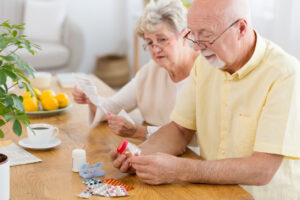
6. Medication Management Systems and Supplies
Challenges in Senior Medication Management
Polypharmacy and complex dosing schedules are common challenges for seniors and caregivers. Missed or incorrect doses can lead to hospitalizations and complications.
Innovative Medication Supplies for 2026
- Smart Pill Dispensers: Automated dispensers that provide alerts and dispense correct doses at scheduled times.
- Blister Packaging Services: Pre-packaged medication packs simplify administration, often available through pharmacies.
- Medication Tracking Apps: Paired with digital dispensers or standalone, these apps provide reminders and allow remote monitoring by caregivers.
Non-Digital Essentials
Even with technology advances, physical items like pill organizers with compartments for days and times remain valuable for many seniors.
7. Monitoring Devices and Emergency Alert Systems
Vital Sign Monitoring Devices
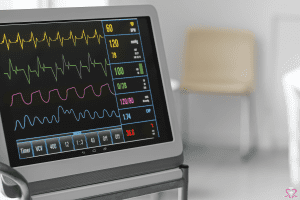
Regular monitoring of blood pressure, heart rate, and other vital signs can detect issues early and improve outcomes.
- Automatic Blood Pressure Monitors: Reliable and easy to use, with digital displays and Bluetooth connectivity.
- Wearable Health Trackers: Devices that track activity levels, sleep patterns, fall detection, and physical activity.
Medical Alert and Emergency Response Systems
- Wearable Emergency Buttons: Wristbands or necklaces that connect to professional response services.
- Smart Home Integration: Voice-activated assistants connected to emergency services for immediate help, increasingly common in senior households.
- GPS Tracking Devices: Helpful for seniors with dementia or memory challenges to ensure safety and location monitoring.
8. Incontinence and Skin Care Supplies
Managing Incontinence with Dignity
Incontinence can affect quality of life, but modern products provide discreet, comfortable solutions that protect skin health.
Top Incontinence Supplies for Seniors in 2026
- High-Absorbency Pads and Briefs: Available in breathable, cloth-like materials for comfort.
- Skin Protectant Sprays and Creams: Formulated to prevent irritation and breakdown.
- Washable and Reusable Products: Environmentally friendly options that maintain hygiene and reduce waste.
Supporting Skin Health
Daily use of gentle cleansers, moisturizers, and protective barriers helps maintain skin integrity and prevent pressure injuries exacerbated by moisture.
9. Nutrition and Hydration Assistance Supplies
Tools for Proper Nutrition
Many seniors face challenges like difficulty swallowing, poor appetite, or mobility issues that complicate meal preparation.
Nutrition and Hydration Products
- Adaptive Eating Utensils: Ergonomically designed spoons, forks, and cups facilitate independent eating.
- Liquid Nutrition Supplements: Nutrient-rich, easy-to-swallow shakes help maintain adequate caloric intake.
- Dehydration Prevention Tools: Smart water bottles with reminders encourage regular hydration.
Feeding Assistance Devices
For seniors requiring extra help, devices such as automatic feeders and specially designed plates reduce frustration and promote dignity during meals.
Frequently Asked Questions (FAQ)
Q1: How often should medical supplies be reviewed and updated for seniors?
Medical supplies should be reviewed at least twice a year or whenever there is a change in health status, medication, or lifestyle to ensure they remain appropriate and effective.
Q2: Are there specific brands or certifications seniors should look for when choosing medical supplies?
Look for products approved by recognized health agencies such as the FDA or those carrying certifications for medical-grade standards. Our team at All Seniors Foundation recommends consulting healthcare professionals for personalized recommendations.
Q3: Can technology-assisted medical supplies be difficult for seniors to use?
While some seniors may find technology challenging initially, many devices are designed with user-friendly interfaces. Training and caregiver support can ease adoption, improving safety and health outcomes.
Q4: What are the best ways to store and organize senior medical supplies?
Use clearly labeled containers or cabinets, keep frequently used items accessible, and store emergency supplies in a designated, easy-to-find location. Regular inventory checks prevent expired or depleted products.
Q5: How can caregivers ensure infection control with medical supplies at home?
Caregivers should follow manufacturer instructions for cleaning and disposal, use disposable gloves when appropriate, and maintain a clean environment to reduce infection risks.
Q6: Are there affordable options for seniors on a fixed income?
Many medical supply companies offer discounted rates for seniors, and local health departments or organizations may provide assistance programs. Bulk purchases and reusable items can also help manage costs.
Key Takeaways
- Medical supplies for seniors in 2026 are increasingly advanced, incorporating technology to enhance safety and ease of use.
- Wound care, diabetes management, and caregiver first aid kits are critical areas requiring specialized supplies tailored to aging needs.
- Mobility and respiratory supports now include smart device integration for real-time health monitoring.
- Bathroom safety, medication management, and incontinence supplies promote independence and dignity.
- Regular review and customization of medical supplies ensure they meet the evolving needs of seniors.
- Our team at All Seniors Foundation encourages caregivers and families to stay informed about the latest products and innovations to support optimal elderly care.