Understanding Senior Home Health Services in 2026
What Are Senior Home Health Services?
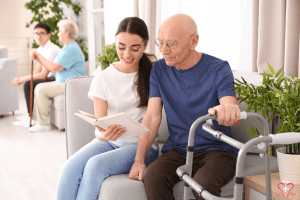
Senior home health services refer to an array of medical and non-medical support provided to elderly individuals who prefer to remain in their homes while receiving professional assistance. In 2026, the landscape of these services has evolved dramatically, blending technology, personalized care, and holistic approaches to aid seniors in aging comfortably and independently.
The Growing Importance of Aging in Place Care
More seniors than ever are choosing to age in place — staying in their familiar home environment rather than relocating to assisted living or retirement communities. Aging in place care encompasses support services that foster independence, reduce hospital readmissions, and improve quality of life. It ranges from personal care aides to skilled nursing and therapeutic interventions.
Modern Trends Shaping Elderly Caregiving in 2026
The senior home health sector in 2026 is shaped by innovative trends such as telehealth integration, AI-powered monitoring systems, and comprehensive caregiver support programs. These advancements allow for better chronic disease management, emergency response, medication adherence, and family involvement in care planning.
Types of Senior Home Health Services Available Today
Skilled Nursing and Medical Care
Skilled nursing at home includes care by licensed nurses who manage complex medical needs such as wound care, intravenous therapies, medication administration, and chronic disease monitoring. This vital service helps reduce hospital stays and supports safer recovery after surgeries or illnesses. For more on medical services, see Home Health Care for Seniors.
Home Health Aides and Personal Care Assistance
Home health aides provide essential support with daily living activities such as bathing, dressing, meal preparation, and mobility. These personal care services promote dignity and comfort while reducing the burden on family caregivers. Our team at All Seniors Foundation offers reliable information about home health aide services.
Therapies and Rehabilitation Services
Physical, occupational, and speech therapies assist seniors in maintaining or regaining functional abilities. These therapies can be delivered right at home, tailored to the individual’s needs, preventing decline and encouraging active lifestyles.
Technological Advancements in Elderly Caregiving 2026
Remote Patient Monitoring (RPM)
RPM systems now use wearable devices and home-based sensors to track vital signs, medication adherence, and activity levels in real-time. Alerts are sent to both caregivers and healthcare providers to quickly address potential health issues. For details on such innovations, visit Remote Patient Monitoring.
AI and Smart Home Integration
Artificial intelligence-driven virtual assistants and smart home devices help seniors with reminders, emergency alerts, and even companionship. From medication dispensers to fall detection systems, these technologies create a safer environment supportive of independent living.
Telemedicine and Virtual Care
In 2026, telemedicine is a cornerstone of accessible senior healthcare, connecting elderly individuals with physicians, specialists, therapists, and social workers through secure video platforms. This reduces travel barriers and ensures more frequent and convenient access to care.
Retirement Home Health Aides: Bridging Residential and Home Care
The Role of Retirement Home Health Aides
Retirement home health aides provide flexible support by supplementing care in retirement communities or enabling transitions to home-based settings. They assist with medication management, activities of daily living, and emotional support, creating a bridge between institutional care and aging in place.
Collaborative Care Plans for Seniors
Effective care involves collaboration among aides, nurses, physicians, and family members. Retirement health aides often act as care coordinators, ensuring medication adherence, therapy compliance, and communication between all parties involved.
Quality Standards and Certifications
2026 sees enhanced certification processes for home health aides, emphasizing advanced training in dementia care, fall prevention, and emergency response. This ensures caregivers are well-equipped to address the dynamic needs of older adults in retirement communities and at home.
Comprehensive Caregiver Support for Seniors and Families
Recognizing the Challenges of Family Caregivers
Family members are often primary caregivers, but caregiving in 2026 acknowledges the emotional, physical, and financial stresses involved. Support programs now incorporate counseling, respite care, and education designed to sustain caregiver health and prevent burnout.
Respite Care: Temporary Relief for Caregivers
Respite care, either in-home or at specialized facilities, provides short-term relief, allowing caregivers the time to rest and recharge. This service is crucial for sustaining long-term caregiving arrangements and enhancing the quality of care for seniors. Explore respite options at Respite Care.
Training and Resources for Caregivers
Our team at All Seniors Foundation supports caregivers with access to training on best practices, managing specific health conditions, and navigating the healthcare system. Educational workshops and online resources empower families to provide effective and compassionate care.
Benefits and Trends in Aging in Place Programs
Home Safety Modifications and Accessibility
Modifying the home environment to reduce fall risks and enhance mobility is a core component of aging in place. Innovations in home safety include smart lighting, non-slip flooring, automated emergency response systems, and easily accessible bathroom redesigns. For assistance, see Home Safety Modifications.
Community-Based Support Networks
New models in 2026 emphasize integrated community support such as Adult Day Care programs, transportation services, and social engagement activities. These enhance seniors’ social connections while providing caregiving backup.
Financial Assistance and Funding Options
Many local and federal programs now provide funding or subsidies to help seniors access home health services. Programs like In-Home Supportive Services (IHSS) offer financial assistance for caregiving and related supports. Learn about such programs through What we Provide.
Hospice and Palliative Care at Home: Compassionate End-of-Life Support
What Hospice Care Means for Seniors
Hospice services focus on comfort, dignity, and quality of life during advanced illness or end-of-life stages. Hospice care teams provide pain management, emotional support, and spiritual care at home. Visit Hospice Care to learn how these services support seniors and families.
Palliative Medicine and Symptom Management
Palliative care is appropriate at any stage of a serious illness and aims to relieve symptoms, manage side effects, and improve well-being. Many seniors benefit from palliative consultations that coordinate with their home care services for seamless support.
Family Caregiver Support Within Hospice
Hospice also offers crucial training and respite for family caregivers, enabling them to provide compassionate support without physical or emotional exhaustion. Access hospice aide services and more through Hospice Aide Services.
Choosing the Right Home Health Care Provider in 2026
What to Look for in a Senior Home Health Service
- Licensed and credentialed caregivers experienced in elderly care
- Comprehensive offerings that address medical, personal, and social needs
- Strong communication and care coordination with healthcare providers and families
- Integration of modern technology to enhance safety and health monitoring
Questions to Ask Potential Providers
- How do you tailor care plans to individual seniors’ needs?
- What technologies do you utilize for remote monitoring and communication?
- Do you offer caregiver support and training?
- How do you handle emergency responses and after-hours care?
How All Seniors Foundation Supports Your Search
Our team provides trusted guidance and services to help seniors and families connect with reputable home health care providers. Browse our offerings at Our Services and discover resources on Home Health Care for Seniors tailored to your needs.
Financial and Insurance Considerations for Home Health Services
Medicare and Medicaid Coverage in 2026
Medicare continues to cover certain skilled home health services under strict criteria, primarily when prescribed by a doctor. Medicaid expansions in several states now provide additional in-home support for low-income seniors.
Private Insurance and Long-Term Care Policies
Private insurers are increasingly incorporating coverage for home-based care options. Long-term care insurance policies can substantially offset costs associated with personal care and homemaking services.
Assistance Programs and Grants
Several non-profit and governmental programs offer grants or subsidies to seniors seeking home health services. Families are encouraged to explore options like Free In-Home Care for Seniors in Los Angeles or local community programs.
FAQ Section
What types of services are considered “senior home health services”?
Services include skilled nursing, personal care aides, therapies (physical, occupational, speech), medication management, remote patient monitoring, and assistance with daily living activities.
How can seniors benefit from aging in place care?
Seniors maintain independence, remain in a familiar environment, reduce hospital visits, and often experience improved emotional and physical well-being.
Are home health aides trained in dementia care?
Many home health aides now receive specialized training in dementia and Alzheimer’s care, reflecting 2026’s standards for senior care excellence.
Does Medicare cover home health care services?
Medicare covers skilled nursing and therapy services under specific conditions but does not generally cover long-term personal care (non-skilled assistance).
How can family caregivers access support and respite?
Caregivers can access respite care programs, educational resources, and counseling through many providers. The All Seniors Foundation team can help identify options.
What are the latest technology trends in senior home care?
In 2026, technologies like remote patient monitoring, AI companions, smart home safety devices, and telemedicine are widely used to improve care quality and safety.
Key Takeaways
- Senior home health services in 2026 provide an integrated approach combining skilled medical care, personal assistance, and technology to support aging in place.
- Home health aides play a crucial role, with enhanced training and collaboration that bridges residential and in-home care.
- Technological innovations such as remote patient monitoring, telemedicine, and AI-enabled devices empower seniors and caregivers alike.
- Comprehensive caregiver support, including respite care and training, is essential for sustainable elderly caregiving.
- Understanding financial options including Medicare, Medicaid, private insurance, and grants is key to accessing quality home health care.
- The All Seniors Foundation remains a trusted resource, providing guidance, information, and services to help seniors live their best lives with compassionate home health support.