Introduction to Durable Medical Equipment Trends in 2026
As the population of seniors continues to grow, the demand for reliable, efficient, and innovative senior durable medical equipment has never been higher. In 2026, advancements in technology, design, and accessibility are reshaping how seniors and caregivers approach aging in place and assisted living. Our team at All Seniors Foundation is committed to keeping families informed with the latest insights into elderly mobility aids 2026, aging in place equipment, and caregiver medical equipment tips that help improve quality of life, safety, and independence.
Note: This informational article is not a substitute for medical advice. Always talk with a qualified healthcare professional about testing, equipment, treatment, symptoms, or care decisions.
1. Smart Mobility Aids Enhancing Seniors’ Independence
Powered Wheelchairs and Scooters with AI Integration
In 2026, powered wheelchairs and scooters have evolved beyond simple motorized movement. Advanced models now feature AI-assisted navigation, obstacle detection, and voice-activated controls. These smart mobility devices enhance safety by preventing collisions and providing route guidance, ideal for seniors navigating both indoors and public spaces.
Lightweight and Foldable Mobility Solutions
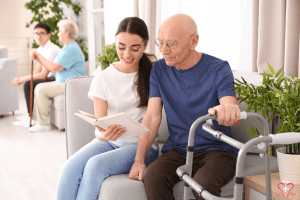
Seniors are prioritizing portability without sacrificing stability. Lightweight, foldable walkers and rollators crafted from durable materials such as carbon fiber are now mainstream. These devices meet the needs of active seniors who travel or prefer easy storage at home or in vehicles.
Customized Mobility Aids via 3D Printing
Customization is key in 2026. 3D printing technology enables the production of mobility aids tailored to an individual’s size, posture, and condition. Customized grips, orthotic supports, and device frames improve comfort and efficiency for users.
2. Aging in Place Equipment: Innovations for Home Safety and Comfort
Smart Home Integration with Medical Devices
More seniors are choosing to age in place, relying on equipment that connects seamlessly to smart home systems. Devices like adjustable beds, patient lifts, and fall detectors now integrate with AI-powered assistants to alert caregivers instantly in emergencies and optimize daily comfort settings.
Non-Intrusive Fall Detection and Prevention Systems
Fall prevention remains a cornerstone of safety. In 2026, sensor-embedded flooring, wearable devices, and room-based camera systems use machine learning algorithms to analyze movement patterns. These systems predict and alert users or caregivers about fall risks before accidents occur, reducing hospital visits.
Ergonomic Bathroom and Kitchen Aids
Aging in place equipment includes innovative adaptations for daily living areas. Adjustable-height sinks, easy-grip faucets, voice-enabled lighting, and anti-slip surfaces decrease injury risks and maximize independence.
3. Personal Health Monitoring Devices Tailored for Seniors
wearable Vital Sign Trackers
Today’s seniors benefit from personal health trackers that continuously monitor vital signs like heart rate, blood pressure, oxygen saturation, and glucose levels. These lightweight, unobtrusive wearables are designed with senior-friendly interfaces and send real-time data to caregivers and healthcare providers.
AI-Powered Medication Management Systems
Medication adherence is a significant challenge. Modern pill dispensers with AI reminders help reduce human error, track dosage times, and communicate with smartphones or voice assistants. These devices support seniors in managing complex medication schedules independently.
Remote Telehealth-Enabled Devices
Remote health monitoring devices, such as smart thermometers and digital stethoscopes, connect seniors to telehealth providers instantly. This technology reduces unnecessary in-person visits while enabling timely interventions for chronic conditions.
4. Advanced Retirement Home Medical Devices
Robotic Assistance in Daily Care
Robotics are playing an increasingly vital role in retirement homes. From robotic feeders and medication dispensers to mobility aids, these devices alleviate caregiver workloads and provide personalized support. In 2026, robots with improved AI can adapt to residents’ behaviors, learning their routines and preferences.
Smart Environmental Controls for Enhanced Comfort
Climate control systems equipped with sensors that track room temperature, humidity, and air quality are now common. These systems automatically adjust environments for seniors’ optimal health, ensuring proper ventilation and allergy management.
Interactive Recreation and Cognitive Support Devices
Cognitive decline affects many seniors, and retirement homes are adopting interactive medical devices like virtual reality (VR) therapy systems and brain-training stations. These technologies stimulate mental health and social engagement.
5. Caregiver Medical Equipment Tips: Making Caregiving Easier and Safer
Choosing the Right Equipment for Changing Needs
Caregivers should regularly assess the evolving needs of their seniors and choose equipment that adapts accordingly. Modular devices that can transform from walking aids to seated support or scaled weight capacities improve usability and reduce costs.
Training and Education on New Technologies
Keeping pace with rapid advancements is crucial. Caregivers are encouraged to seek out training through virtual workshops or community programs to ensure safe operation of smart devices, fall prevention tools, and remote monitoring systems.
Streamlining Communication with Healthcare Professionals
Caregivers benefit from devices that sync with healthcare networks to update medical records automatically or provide alerts about vital sign irregularities. This connectivity facilitates proactive care and reduces emergency visits.
6. Environmental Sustainability in Durable Medical Equipment
Eco-Friendly Materials and Manufacturing
With sustainability reaching new importance in 2026, manufacturers increasingly use biodegradable plastics, recycled metals, and low-impact production methods. This shift benefits the environment while maintaining safety and durability standards.
Energy-Efficient Medical Devices
Battery technology improvements have allowed mobility aids and health devices to last longer between charges, lowering energy consumption. Solar-powered chargers and low-energy Bluetooth connectivity are now common features.
Model Lifespan and Recycling Programs
Consumers and care facilities can access programs that allow for trade-ins or recycling of older equipment, minimizing medical waste. Brands partnering with nonprofits ensure devices receive new life in underserved communities.
7. Legal and Financial Trends Affecting Durable Medical Equipment Accessibility
Medicare and Insurance Coverage Updates in 2026
Recent policy changes have expanded Medicare’s coverage for advanced mobility aids and home medical devices. Understanding these updates enables seniors and caregivers to make informed purchasing decisions without unexpected costs.
Tax Incentives and Government Subsidies
Many states continue to offer tax deductions and subsidies for home modifications and durable medical equipment purchases. Eligibility criteria have broadened in 2026 to support more seniors aging at home.
Innovative Financing and Rental Programs
Flexible financing and rental options help reduce upfront costs for high-tech equipment. Subscription models for smart devices make cutting-edge aids more accessible for seniors and retirement communities.
Frequently Asked Questions (FAQ)
1. What are the most important features to look for in senior durable medical equipment in 2026?
Look for devices that offer smart connectivity, customization, ease of use, and adaptability. Features like AI-powered safety alerts, lightweight design, and integrated health monitoring are key in 2026.
2. How can caregivers stay updated on the latest medical equipment trends?
Caregivers should attend virtual training sessions, subscribe to trusted senior care resources like All Seniors Foundation, and engage with healthcare providers for product recommendations and hands-on demonstrations.
3. Are there new technologies for fall prevention that seniors can use at home?
Yes, sensor-based flooring, wearable alert devices, and AI-powered monitoring systems offer non-intrusive fall risk detection and emergency response capabilities, greatly reducing fall-related injuries.
4. Is renting medical equipment a viable option in 2026?
Renting is increasingly popular, especially for high-cost or short-term needs. Many companies provide affordable rental plans with maintenance and upgrade options, making advanced equipment more accessible.
5. How can technology help seniors manage their medications more effectively?
Smart pill dispensers and AI-powered reminder systems track medication schedules, notify seniors when to take their doses, and alert caregivers if a dose is missed, reducing medication errors significantly.
6. Are there eco-friendly durable medical equipment options available?
Yes, many manufacturers prioritize eco-friendly materials and energy efficiency. Recycling programs and product take-back initiatives also contribute to environmental sustainability in senior care equipment.
Key Takeaways
- 2026 brings smart, AI-enhanced mobility aids that improve safety and independence for seniors.
- Aging in place equipment now seamlessly integrates with smart home technology to optimize comfort and emergency response.
- wearable health monitors and telehealth devices enable real-time tracking and remote care coordination.
- Retirement homes benefit from robotic assistance and environmental controls enhancing resident care quality.
- Caregivers should prioritize adaptable devices, ongoing training, and connectivity to healthcare systems.
- Sustainability is a growing focus, with eco-friendly materials and recycling programs expanding in the industry.
- Financial accessibility has improved through updated insurance policies, subsidies, and innovative rental models.
Our team at All Seniors Foundation remains dedicated to providing insight into the latest trends in senior durable medical equipment, empowering seniors and caregivers to make informed decisions that promote health, independence, and safety throughout 2026 and beyond.
Related Senior Support From All Seniors Foundation
All Seniors Foundation helps older adults and caregivers in Los Angeles County explore durable medical equipment, home safety supplies, and practical support options. Availability can vary, so families should call to confirm current needs, eligibility, and the best next step before buying or replacing equipment.
This article is for general information only and is not medical advice. For urgent symptoms or emergencies, call 911 or go to the nearest emergency room.