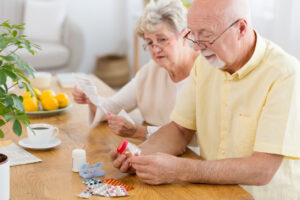
Introduction to Senior Durable Medical Equipment in 2026
As the senior population continues to grow in 2026, the demand for advanced and user-friendly durable medical equipment (DME) has never been greater. Durable medical equipment, designed specifically to improve the comfort, mobility, and independence of elderly individuals, is evolving rapidly to incorporate the latest technology, ergonomic design, and personalized healthcare insights.
Note: This informational article is not a substitute for medical advice. Always talk with a qualified healthcare professional about testing, equipment, treatment, symptoms, or care decisions.
Our team at All Seniors Foundation is dedicated to keeping seniors and their families informed about these advances. Whether you are looking for elderly mobility aids or caregiver durable medical tools, understanding the current trends will empower you to make well-informed decisions that enhance quality of life.
1. Smart Mobility Aids: Enhancing Independence with Technology
Electric and Hybrid Mobility Devices
In 2026, mobility aids for seniors are increasingly integrating electric and hybrid technology. Electric wheelchairs and scooters offer improved battery life, lighter frames, and smart navigation features. Hybrid walkers with built-in motor assistance help seniors who need partial support but want the freedom to walk independently.
Integrated Safety Features
Modern mobility aids come equipped with sensors for obstacle detection, fall prevention alerts, and GPS tracking. These features not only ensure seniors’ safety but also provide peace of mind for caregivers monitoring loved ones remotely.
User-Friendly Controls and Customization
Advanced controls such as voice commands, simplified joysticks, and app-based customization enable users to tailor their mobility devices to their comfort and needs. This personalization trend helps seniors of all abilities maintain autonomy.
2. Next-Generation Pressure Relief and Support Surfaces
Smart Mattresses and Cushions
Pressure ulcers remain a concern for many seniors with limited mobility. 2026 has brought about pressure relief surfaces embedded with smart sensors that monitor pressure points, temperature, and moisture levels. These surfaces adjust automatically to reduce the risk of bedsores, improving skin health outdoors and in bed.
Dynamic Air and Gel Technology
New dynamic air mattress systems now incorporate alternating pressure zones combined with advanced gel layers to provide both support and comfort, reducing the need for frequent repositioning and enhancing sleep quality.
Customized Support for Rehabilitation
Customized cushioning and positioning aids that adapt based on a user’s rehabilitation goals have become widespread. These advanced products support therapy and quicker recovery for seniors recovering from surgery or injuries.
3. Advanced Home Monitoring and Health Tracking Devices
wearable Health Sensors
wearables designed specifically for seniors now monitor vital signs such as heart rate, oxygen saturation, and blood pressure continuously. These devices sync with smartphones and caregiver apps, making real-time health tracking easier than ever.
Non-Intrusive Fall Detection
Next-gen fall detection tools use AI algorithms combined with wearable devices and home sensors to accurately identify falls without false alarms. Integration with emergency call systems ensures rapid response.
Medication Management Systems
Smart pill dispensers equipped with reminders and usage tracking help seniors manage complex medication regimens. Caregivers receive alerts if doses are missed, enhancing adherence and reducing hospitalizations.
4. Ergonomic and Adaptive Bathroom Safety Equipment
Adjustable Shower Chairs and Benches
In 2026, senior bathroom safety equipment prioritizes comfort and adjustability. Shower chairs now feature height and backrest adjustment options, with antibacterial and quick-dry materials for hygiene.
Touchless and Smart Fixtures
Touchless faucets and toilets with automated flushing and seat warming are increasingly common—promoting independence and hygiene while minimizing physical effort.
Enhanced Grab Bars and Support Rails
Modern grab bars come with integrated lighting, sensors, and ergonomic grips designed to assist seniors in maintaining balance and prevent slips within critical spaces.
5. Innovative Daily Living Aids for Seniors
Smart Canes and Walking Sticks
Smart canes featuring sensors that monitor walking patterns, alert caregivers of instability, and even detect environmental hazards have become popular retirement medical devices helping seniors maintain independence.
Adaptive Dressing and Grooming Tools
New dressing aids focus on ease of use with soft, flexible materials and builtin magnets/zippers designed for seniors with arthritis or limited dexterity, supporting daily self-care.
Kitchen Safety and Accessibility Tools
Senior-friendly kitchen equipment now includes automated jar openers, nonslip surfaces, and voice-activated appliances to reduce injury risk and promote autonomy in meal preparation.
6. Telehealth-Integrated Durable Medical Devices
Devices Synced with Telemedicine Platforms
The integration of durable medical equipment with telehealth services has skyrocketed. Devices such as smart blood pressure monitors and glucose meters can automatically share data with doctors, allowing for timely intervention.
Remote Physical Therapy Tools
Interactive rehabilitation devices used at home connect with therapists virtually. They provide feedback during exercises, track progress, and adapt therapy plans in real time.
Caregiver Support Technology
Durable medical tools now include systems designed to support caregivers as well—offering usage reports, remote control capabilities, and alerts to ease the care burden.
7. Sustainable and Eco-Friendly Durable Medical Equipment
Eco-Conscious Materials and Manufacturing
In 2026, there is increasing emphasis on sustainability in aging care equipment. Manufacturers are adopting recycled, biodegradable, and low-impact materials to reduce environmental footprint.
Energy-Efficient Electric Devices
With a growing focus on energy consumption, many electronic durable medical devices for seniors feature low-power modes, rechargeable batteries, and solar-handling options where feasible.
Recycling and Equipment Lifecycle Programs
Programs supporting the recycling and refurbishment of mobility aids and other DME have expanded. These initiatives help reduce waste and increase affordability for seniors.
FAQ: Durable Medical Equipment Trends for Seniors and Caregivers in 2026
Q1: What is the most important feature to look for in senior mobility aids in 2026?
The most important feature is smart safety integration—such as obstacle detection and fall prevention systems—combined with battery efficiency and customizable controls for ease of use.
Q2: How are smart health monitoring devices improving senior care at home?
They enable continuous vital sign monitoring, automatic alerts for abnormal readings, and seamless data sharing with healthcare providers, allowing proactive management of chronic conditions.
Q3: Are there any new trends in bathroom safety equipment for elderly individuals?
Yes, the trend includes ergonomic, adjustable seating, touchless fixtures to reduce contamination, and grab bars equipped with LED lighting and sensors to enhance nighttime safety.
Q4: How does telehealth integration enhance the use of durable medical equipment?
Telehealth integration allows real-time data sharing, virtual therapy sessions, and remote caregiver monitoring, improving outcomes and reducing the need for frequent in-person visits.
Q5: What sustainability options are available for senior durable medical equipment?
Options include products made with eco-friendly materials, devices using energy-efficient technology, and programs that refurbish or recycle used equipment to minimize environmental impact.
Q6: How can caregivers choose the right durable medical tools for effective support?
Caregivers should prioritize tools that provide real-time monitoring, are easy to operate, and offer features that reduce physical strain while enhancing seniors’ independence and safety.
Key Takeaways
- Smart technology integration is revolutionizing elderly mobility aids, health monitoring, and safety equipment in 2026.
- Customized and ergonomic designs improve comfort, ease of use, and adaptability to individual senior needs.
- Telehealth connectivity enhances monitoring and therapy options, fostering independent living supported by virtual care.
- Sustainability is increasingly prioritized with eco-friendly materials and energy-efficient devices.
- Caregivers benefit from advanced durable medical tools that improve safety, reduce workload, and enable remote supervision.
Our team at All Seniors Foundation is committed to educating families and seniors about these evolving trends, helping everyone make empowered choices for healthier, more independent living throughout 2026 and beyond.
Related Senior Support From All Seniors Foundation
All Seniors Foundation helps older adults and caregivers in Los Angeles County explore durable medical equipment, home safety supplies, and practical support options. Availability can vary, so families should call to confirm current needs, eligibility, and the best next step before buying or replacing equipment.
This article is for general information only and is not medical advice. For urgent symptoms or emergencies, call 911 or go to the nearest emergency room.