Introduction: The Importance of Social Engagement for Seniors in 2026
As we move deeper into 2026, staying socially active and engaged remains a cornerstone of healthy aging. Modern research consistently shows that seniors who maintain vibrant social lives experience improved mental health, physical well-being, and overall quality of life. The All Seniors Foundation is dedicated to helping aging adults and their families discover community activities that promote meaningful connections and wellness.
In this article, we explore the most popular and effective senior community activities thriving in 2026—highlighting options that support aging adults, their caregivers, and families in cultivating joyful, engaged retirement lifestyles.
1. Senior Community Centers: Hubs of Connection and wellness
Expanding Programs for Diverse Interests
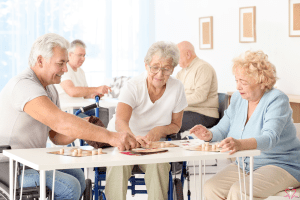
Senior community centers have evolved beyond traditional bingo and crafts. Today, they offer a broad spectrum of aging adults social activities, including technology lessons, art therapy, dance classes, and health screenings. These centers adapt to seniors’ changing physical abilities and cultural interests, ensuring inclusion and respect.
Technology Integration and Virtual Participation
Many centers incorporate hybrid models to accommodate those with mobility or transportation challenges. Virtual classes and events allow seniors to join from home, enhancing accessibility without sacrificing engagement.
Benefits Beyond Socialization
Participation at community centers also provides physical exercise, cognitive stimulation, and mental health support. These multifaceted benefits contribute to decreased feelings of isolation and heightened wellness.
2. Retirement Lifestyle Programs: Structured and Stimulating
wellness-Focused Workshops
Retirement lifestyle programs in 2026 emphasize holistic wellness through workshops on nutrition, mindfulness, and fall prevention. All Seniors Foundation endorses programs that integrate physical health with emotional and social well-being.
Cultural and Educational Enrichment
Many seniors seek personal growth through language classes, book clubs, or history lectures. Such enrichment activities ignite curiosity and foster community bonds among participants.
Inclusive Fitness and Movement Classes
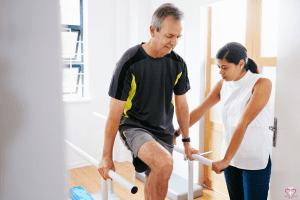
Adaptive yoga, chair aerobics, and tai chi are staple offerings that accommodate varying mobility levels while promoting cardiovascular health and balance.
3. Outdoor and Nature-Based Activities for Seniors
Gardening Clubs and Therapeutic Horticulture
Gardening has surged in popularity as a social and therapeutic activity. Community gardens provide opportunities for seniors to connect with nature, enhance dexterity, and enjoy physical exercise.
Walking Groups and Senior-Friendly Hiking Trails
Regular walking groups promote cardiovascular health and social interaction. In 2026, local governments often curate senior-friendly trails with benches, shade, and easy terrain.
Bird Watching and Environmental Stewardship
Programs encouraging bird watching or participation in conservation projects combine learning, physical activity, and social engagement—perfect for seniors who love the outdoors.
4. Arts, Music, and Creative Expression
Community Theater and Choirs
Participating in performing arts builds confidence, memory, and camaraderie. Many communities now offer senior-specific theater troupes, choirs, and musical ensembles.
Visual Arts and Craft Workshops
Painting, pottery, quilting, and digital photography workshops stimulate creativity and fine motor skills, creating meaningful social bonds among participants.
Intergenerational Art Projects
Programs that bring together seniors and youth help bridge generational gaps, fostering understanding and shared creativity.
5. Technology-Driven Social Engagement
Digital Literacy Classes
Keeping pace with technology reduces isolation. Ongoing digital literacy classes teach seniors how to use smartphones, social media, and video chat platforms, empowering them to connect with distant family and friends.
Virtual Reality for Social and Therapeutic Use
VR technology has emerged as a popular tool in 2026 senior programming. It offers immersive experiences, from virtual travel to group games, boosting cognitive engagement and emotional well-being.
Online Support and Interest Groups
Numerous online communities cater to seniors’ hobbies, health conditions, and caregiving challenges, providing accessible peer support and socialization around the clock.
6. Elderly Engagement Events: Celebrating Community and Culture
Senior Festivals and Socials
Community-wide festivals and socials geared toward seniors combine entertainment, health education, and resources, drawing large and diverse groups of aging adults.
Holiday and Cultural Celebrations
Celebrating multicultural heritage and seasonal holidays strengthens community bonds and honors seniors’ diverse backgrounds and experiences.
Volunteer and Mentorship Opportunities
Engagement through service not only benefits the community but boosts seniors’ sense of purpose and social networks.
7. Caregiver Support Activities
Respite and Social Groups for Caregivers
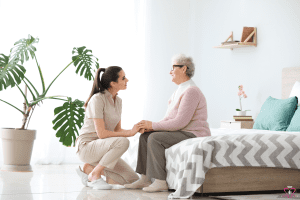
Recognizing caregiver stress, many communities now offer social activities and respite programs to provide caregivers with relief and peer connection.
Joint Senior-Caregiver Programs
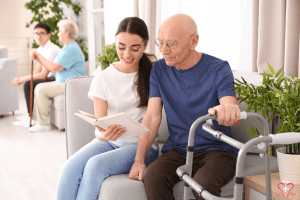
Activities designed for seniors and their caregivers together strengthen relationships while ensuring both parties enjoy social engagement.
Educational Workshops and Counseling
Workshops on managing care challenges, health literacy, and self-care provide vital tools and community support for caregivers, reinforcing overall wellness.
8. Lifelong Learning and Intellectual Stimulation
University-Based Programs for Seniors
Many universities offer continuing education courses tailored to seniors, facilitating intellectual growth and intergenerational interaction.
Discussion Groups and Debates
Engaging in thoughtful discussions and debates keeps minds sharp and promotes critical thinking within a supportive community.
Public Lectures and Online Seminars
Access to expert talks through local libraries or online platforms expands seniors’ horizons and encourages social participation.
9. Transportation and Accessibility in Senior Community Activities
Innovative Transit Solutions
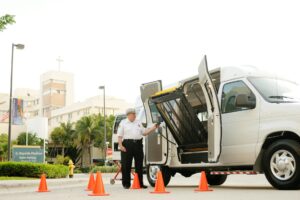
In 2026, communities prioritize accessible transportation options—such as on-demand rideshare services and senior shuttles—making it easier for aging adults to attend activities.
Accessibility Accommodations at Venues
Ensuring physical accessibility with ramps, wider doorways, and adequate seating is a standard practice, enabling more seniors to participate comfortably.
Partnering with Caregivers and Family
All Seniors Foundation encourages families and caregivers to assist with transportation planning to maximize engagement opportunities for their loved ones.
FAQ: Community Activities for Seniors in 2026
1. What types of activities are best for seniors with limited mobility?
Low-impact activities such as chair yoga, art classes, virtual reality sessions, and small group social gatherings designed for accessibility are excellent options.
2. How can technology help seniors stay socially connected?
Technology offers tools like video calls, social media platforms, and online interest groups, enabling seniors to maintain relationships even at a distance.
3. Are there programs that include both seniors and caregivers?
Yes, many community programs now feature joint activities that benefit both seniors and their caregivers, fostering connection and mutual support.
4. How do community centers address senior mental health?
Community centers often provide counseling services, support groups, wellness workshops, and stimulating social activities to support mental health.
5. What role does transportation play in senior engagement?
Accessible transportation is crucial; without it, many seniors may face barriers to participation. Communities are investing in solutions that meet this need in 2026.
6. How can family members encourage seniors to participate more?
Families can encourage participation by helping with transportation, exploring new activities together, and supporting seniors’ interests and comfort levels.
Key Takeaways
- Social engagement is vital for seniors’ holistic wellness, including mental, physical, and emotional health.
- Senior community centers serve as vital hubs offering diverse, accessible programs tailored to seniors’ evolving needs.
- Retirement lifestyle programs emphasize wellness, education, fitness, and creative expression to enhance quality of life.
- Technology integration empowers seniors through virtual options, digital literacy, and immersive experiences.
- Caregiver-inclusive activities provide critical support and relationship-building opportunities.
- Transportation and accessibility remain key factors in maximizing senior participation in community activities.
Our team at All Seniors Foundation remains committed to promoting opportunities that help seniors thrive in social and community settings in 2026 and beyond. Embracing these modern approaches ensures that aging adults live their best, most connected lives.