Understanding Senior Slip and Fall Injury Claims: Updated Rights for Aging Adults in 2026
Slips and falls remain a leading cause of injury for seniors, often resulting in significant medical complications and impacting quality of life. For elderly individuals and their caregivers, understanding the evolving legal landscape surrounding slip and fall injury claims is essential. In 2026 and beyond, recent updates in personal injury rights, healthcare protocols, and support services have reshaped how senior slip and fall cases are managed. Our team at All Seniors Foundation is dedicated to helping seniors and their families navigate these complex issues with confidence.
Why Slip and Fall Injuries Are a Major Concern for Seniors
Prevalence of Slip and Fall Incidents Among Seniors
According to the latest data in 2026, one in three adults aged 65 and older experiences a fall every year. These incidents often occur in the home or community settings where seniors live independently or with caregivers. Due to factors like reduced bone density, impaired balance, or medication side effects, the elderly are more susceptible to serious injury from falls.
Common Injuries from Senior Slip and Falls
Seniors often suffer fractures (especially hip fractures), head injuries, wrist fractures, and soft tissue damage after a slip or fall. The recovery process can be prolonged and debilitating, sometimes leading to permanent disability or loss of independence.
Impact on Caregivers and Families
Caregivers face heightened responsibilities when a senior family member suffers a fall, from managing medical care to providing physical and emotional support. Knowing the legal and healthcare support available can ease this burden.
Recent Legal Updates Affecting Senior Slip and Fall Injury Claims
Enhanced Protections Under State and Federal Law
In 2026, many states have enacted strengthened laws protecting aging adults from negligence leading to slip and fall injuries. These include specific provisions targeting elder abuse and ensuring premises safety in senior housing facilities.
Expanded Duty of Care Standards for Senior Housing Providers
Landlords, nursing homes, and assisted living facilities now face stricter liability standards to maintain safe environments. Failure to comply with safety codes or rectify hazards swiftly can increase their legal responsibility for accidents.
Changes in Statutes of Limitations and Claim Filing Procedures
Updated timelines for filing slip and fall injury claims have been adjusted in many jurisdictions to allow adequate time for seniors to recover before pursuing legal remedies. These reforms support comprehensive medical evaluation before litigation.
Proving Liability in Senior Slip and Fall Cases
Establishing Negligence and Responsibility
To file a successful slip and fall claim, the injured senior (or their representative) must demonstrate that the responsible party failed their duty to maintain a safe environment. Evidence such as witness statements, surveillance footage, and expert testimony is often critical.
Documenting Injuries and Medical Care
Immediate and ongoing documentation of medical treatment following a fall is vital. At All Seniors Foundation, we emphasize the importance of accessing specialized personal injury doctors for seniors to ensure injuries are fully recorded and treated properly.
Role of Caregivers in Injury Claims
Caregivers often assist in collecting evidence, obtaining medical opinions, and coordinating with legal professionals. They also provide vital firsthand accounts of the incident circumstances and the senior’s condition afterward.
Modern Approaches to Preventing Slip and Fall Injuries in the Elderly
Home Safety Modifications
One of the most effective ways to reduce the risk of falls is by adapting home environments to senior needs. Installing grab bars, improving lighting, removing tripping hazards, and securing loose rugs are proven strategies. Our team at All Seniors Foundation offers guidance on home safety modifications designed especially for seniors.
Use of Modern Assistive Devices
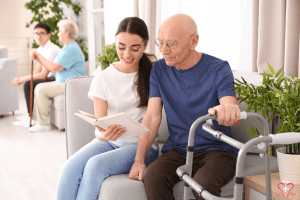
Walkers, canes with advanced balance technology, and wearable fall detectors are increasingly popular in 2026. These devices provide seniors with both mobility and emergency response capabilities.
Physical Therapy and Fall Prevention Programs
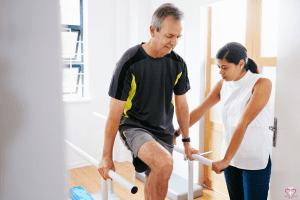
Targeted exercises focusing on strength, balance, and flexibility are recommended by healthcare providers now more than ever. Access to physical therapy and community fall prevention workshops can substantially reduce future falls.
Healthcare Services and Support Following Slip and Fall Injuries
Post-Fall Medical Evaluation and Rehabilitation
Prompt medical assessment after a fall is crucial to identify injuries that may not be immediately apparent. Hospitals and rehab centers now deploy comprehensive screening protocols that are tailored for the elderly.
Home Health Care and In-Home Support
For seniors recovering after a fall, continued care is often needed. Home health care for seniors provided in a familiar setting helps with medication management, mobility assistance, and wound care, reducing rehospitalization risks.
Hospice and Palliative Care Options When Needed
In cases where fall injuries result in chronic disability or terminal conditions, seniors and families may consider hospice care and palliative medicine for comfort and quality of life.
Legal Resources and Assistance for Senior Slip and Fall Claims in 2026
Accessing Specialized Legal Help for Seniors
Navigating personal injury claims can be complex, especially for older adults. Legal professionals specializing in senior rights understand the nuances affecting injury claims and can advocate effectively. Our resource page on legal help for seniors and families provides connections to trusted experts.
Personal Injury Lawyer Services Tailored to Aging Adults
Many law firms now offer tailored services that cater specifically to seniors’ needs, including case management and insurance assistance. These services ensure timely filing and maximum benefits recovery. Learn more about personal injury lawyer services that make a difference.
The Role of Case Management and Medical Experts
Coordinated care involving case management and medical expertise helps seniors document injuries and treatment comprehensively to support claims.
Support Services for Seniors and Caregivers Post-Accident
Free In-Home Care and Community Programs
Many seniors benefit from services such as free in-home care for seniors in Los Angeles and similar programs nationwide that provide assistance during recovery and beyond.
Emotional and Social Support Systems
Falls can cause fear and isolation among seniors. Access to social activities and counseling services contribute to emotional well-being and reduce fall risk by improving confidence and mobility.
Caregiver Resources and Respite Care
Caregivers need support to sustain their vital roles. Respite and supportive services help avoid burnout and provide skilled care alternatives. Visit respite care options available through All Seniors Foundation.
The Role of Technology in Managing Slip and Fall Injury Risks and Claims
Smart Home Devices for Fall Detection
Modern technology in 2026 includes smart sensors and AI-driven fall detection systems linked to emergency responders, enhancing immediate care and evidence gathering for claims.
Telehealth and Remote Monitoring
Telehealth services provide ongoing injury monitoring and medical consultation from home, diminishing barriers to care and streamlining claims documentation.
Online Resources and Support Networks
Seniors and families benefit from accessible online platforms offering information about injury prevention, legal rights, and recovery tips. The All Seniors Foundation website is a prime hub for these resources.
Frequently Asked Questions About Senior Slip and Fall Injury Claims
1. What should a senior do immediately after a slip and fall?
Immediately seek medical evaluation, even if no injuries are apparent. Document the incident details and report the fall to caregivers or facility management. Maintaining accurate records supports any future claims.
2. How long does a senior have to file a slip and fall injury claim in 2026?
Statutes of limitation vary by state but generally allow between one to three years for filing a claim. Recent reforms may extend these periods for seniors to ensure adequate recovery time before litigation.
3. Can caregivers file a slip and fall injury claim on behalf of a senior?
Yes, caregivers or legal representatives can file claims if the senior is unable due to injury or incapacity. It is important to have proper authorization or power of attorney.
4. What types of damages can seniors claim in a slip and fall lawsuit?
Damages may include medical expenses, pain and suffering, loss of income, rehabilitation costs, and in some cases, compensation for long-term care needs and emotional distress.
5. Are slip and fall claims valid if the senior was partially at fault?
Many states use comparative negligence laws, which consider the percentage of fault attributable to the senior. Recovery may be reduced proportionally but is still viable depending on jurisdiction.
6. Where can seniors find trustworthy legal and medical help after a fall?
Our All Seniors Foundation platform connects seniors to specialized medical and legal services, ensuring comprehensive support through the claims process.
Key Takeaways
- Slip and fall injuries are among the most common and serious risks for seniors in 2026, requiring awareness and prevention.
- Legal rights and protections for aging adults have expanded, emphasizing premises liability and extended claim filing periods.
- Accurate documentation and timely medical care with specialized senior-focused healthcare providers increase the likelihood of successful injury claims.
- Home safety modifications, assistive devices, and therapy are vital in preventing future falls.
- Legal and medical services tailored for seniors are widely available through All Seniors Foundation and partners.
- Caregivers play a crucial role in supporting injury recovery and claim management.
- Technological innovations continue to improve fall detection, monitoring, and access to resources.
For seniors and families seeking support, our comprehensive services encompass everything from home health care for seniors to legal aid. Discover more about how we can assist you at All Seniors Foundation and free in-home care for seniors in Los Angeles.