Understanding IHSS: A Vital Resource for Seniors in 2026
What is IHSS?
In-Home Supportive Services (IHSS) is a state-funded program designed to help seniors and individuals with disabilities remain safely in their homes by providing personal care and domestic services. As of 2026, IHSS continues to be a cornerstone for elderly care, enabling aging adults to maintain independence while receiving essential assistance.
The Importance of IHSS for Seniors and Aging Caregivers
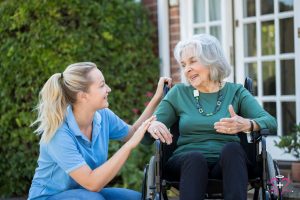
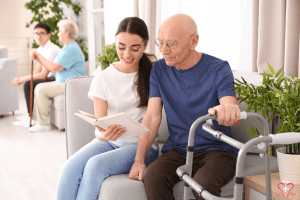
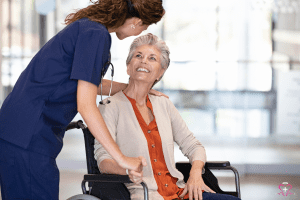
For many elderly individuals and their families, IHSS offers critical support ranging from meal preparation and housekeeping to grooming and medication management. Our team at All Seniors Foundation recognizes that aging caregivers often juggle multiple responsibilities. IHSS can ease their burden by delivering trained, compensated caregivers to assist with daily tasks.
Why IHSS Matters Now More Than Ever
With shifting demographics and increasing life expectancy in 2026, the demand for in-home care grows rapidly. IHSS offers a flexible, affordable alternative to institutional care, aligning with many seniors’ wishes to age in place and preserve quality of life.
2026 IHSS Eligibility Criteria: Who Qualifies?
Basic Eligibility Requirements for Seniors
To qualify for IHSS in 2026, seniors must meet several fundamental criteria:
- Be age 65 or older, or have a disability if younger.
- Require assistance with activities of daily living (ADLs) or instrumental activities of daily living (IADLs).
- Be eligible for Medi-Cal, California’s Medicaid program.
- Live at home or in a community-based setting (not in a hospital or facility at application time).
Assessing Need: Functional and Medical Evaluations
A critical part of IHSS eligibility is the social worker assessment, which determines a senior’s care needs. The assessment evaluates:
- Ability to perform ADLs such as bathing, dressing, eating, and mobility.
- Need for supervision due to cognitive impairments.
- Other health factors impacting self-care and safety.
This personalized evaluation ensures that seniors receive the support services aligned with their unique conditions.
Income and Residency Guidelines in 2026
Because IHSS is a Medi-Cal benefit, applicants must meet income and residency guidelines, including:
- California residency.
- Income limits aligned with Medi-Cal eligibility, which in 2026 have slightly increased to reflect economic changes.
- Consideration of assets; some seniors may qualify even if savings exceed previous thresholds due to updated rules for retirement accounts and property.
Applying for IHSS: Step-by-Step Guide for Seniors and Families
Getting Started: How to Initiate an IHSS Application
The IHSS application process begins by contacting your county IHSS office or Medi-Cal office. Seniors or their authorized representatives can:
- Request an application packet in person, by phone, or online.
- Use assistance from social workers or elder services agencies, which our team at All Seniors Foundation highly recommends to ensure forms are properly completed.
Completing and Submitting Forms
Applicants must provide detailed information, including:
- Health status and care needs.
- Income and asset information.
- Household circumstances.
Submitting accurate and thorough documentation expedites approval and reduces delays common in 2026’s updated application workflows.
The Home Visit and Functional Assessment
Following submission, a social worker will schedule an in-home visit to conduct the functional assessment. For seniors and caregivers, preparing for this visit by documenting care needs, medication schedules, and daily routines helps ensure the care plan reflects reality.
Caregiver Support and Managing IHSS Benefits Effectively
Role of Family Caregivers within IHSS
One unique feature of IHSS in 2026 is the option for seniors to hire family members—including spouses or adult children—as paid caregivers. This approach:
- Provides trusted, personalized care.
- Offers financial compensation to family caregivers balancing work and caregiving duties.
- Helps maintain family bonds while promoting independence.
Coordinating Care Plans and Adjustments
As seniors’ needs change, IHSS care plans can be updated. Continuous communication between the recipient, family, and IHSS caseworkers is vital for requesting increased hours or additional services, ensuring care remains comprehensive and responsive.
Resources for Caregiver Training and Support
In 2026, many counties offer caregiver training programs tailored to IHSS providers, including those who are family members. These resources cover:
- Proper techniques for mobility and personal care.
- Managing medications and chronic conditions.
- Stress management and caregiver wellness.
Our team at All Seniors Foundation emphasizes that training not only improves care quality but also supports caregiver well-being.
Navigating Retirement and IHSS Benefits Together
Balancing Retirement Income and IHSS Eligibility
Many seniors worry that retirement income will affect their IHSS eligibility. In 2026, updated Medi-Cal and IHSS policies provide clearer guidance:
- Social Security retirement income is generally considered but does not automatically disqualify applicants.
- Pensions, annuities, and other retirement funds have specific countable asset rules.
- Working with financial advisors knowledgeable in elder care benefits is encouraged to properly manage income and assets.
Maximizing Benefits Without Losing Independence
By coordinating retirement planning with IHSS benefits, seniors can preserve independence longer. Planning ahead allows:
- Efficient use of in-home care hours.
- Integration of other benefits such as Veterans Aid and Attendance or Supplemental Security Income (SSI).
- Peace of mind knowing care needs are met affordably.
Planning for Future Care Needs
IHSS eligibility and care hours can change over time. Seniors are encouraged to:
- Regularly review their care plans and financial status.
- Consider advance directives and power of attorney arrangements.
- Engage family members and professional advisors early to create a comprehensive care strategy.
Common Challenges and Solutions in the 2026 IHSS Landscape
Addressing Application Delays and Denials
Despite efforts to streamline IHSS in 2026, some seniors encounter delays or denials. Common issues include incomplete documentation, missed assessments, or misunderstandings about eligibility. Solutions include:
- Seeking help from local aging agencies or disability advocates.
- Appealing decisions with the support of elder law attorneys.
- Utilizing All Seniors Foundation’s resources for guidance through the appeals process.
Overcoming Caregiver Burnout
Family caregivers sometimes face fatigue and stress, risking their health and the quality of care provided. Strategies to combat burnout include:
- Utilizing respite care through IHSS or community programs.
- Connecting with caregiver support groups available nationwide.
- Implementing self-care routines and accepting outside help when needed.
Adapting to Technological Updates in IHSS Systems
IHSS in 2026 has embraced technology improvements for application, scheduling, and payroll functions. Seniors and caregivers benefit from:
- Online portals enabling easier access to care plans and service hours.
- Mobile apps for timely communication and reporting.
- Training offered to help users adapt to these new digital tools and avoid service interruptions.
Frequently Asked Questions (FAQ)
1. How soon after applying can seniors expect IHSS services to begin?
Typically, services start within 30 to 60 days depending on county workload and timely completion of assessments. Early application and prompt communication can help speed up the process.
2. Can a senior live with family members and still qualify for IHSS?
Yes. IHSS is designed for individuals living at home, including those living with family. Family members can even serve as paid caregivers if approved by the program.
3. Are there limits on the number of hours IHSS can provide?
Yes, care hours are based on the assessment of need. While there is no fixed statewide maximum, counties allocate hours according to functional limitations and budget guidelines.
4. Can IHSS help with medical tasks like injections or wound care?
IHSS primarily covers non-medical personal care and household tasks. However, caregivers may assist with certain delegated medical procedures if authorized and trained under state guidelines.
5. How does IHSS interact with other senior benefits like Medicare or private insurance?
IHSS is a Medi-Cal program and distinct from Medicare or private insurance. It supplements other services but typically does not duplicate medical coverage benefits.
6. What should seniors do if their health improves or worsens after starting IHSS?
Seniors should notify their IHSS social worker to update their care plan. Adjustments can be made to increase or decrease service hours based on changing health status.
Key Takeaways
- IHSS remains a vital support system for seniors wishing to age safely and comfortably at home in 2026.
- Eligibility depends on age, disability, income, and documented need demonstrated through comprehensive assessment.
- Family caregivers can be formally employed through IHSS, providing compensated care and emotional support.
- Applying early, preparing for assessments, and maintaining open communication with IHSS staff help seniors secure timely services.
- Managing retirement income together with IHSS benefits requires strategic planning but can preserve independence and financial security.
- Leveraging modern technological tools and caregiver resources maximizes the effectiveness of IHSS in today’s care landscape.
At All Seniors Foundation, we are dedicated to empowering seniors and their families with the knowledge and resources they need to navigate complex programs like IHSS. Together, we can help aging adults live their best lives with dignity and support.