Understanding IHSS: A Vital Resource for Seniors in 2026
What is IHSS?
In-Home Supportive Services (IHSS) is a California state program designed to assist seniors and other eligible individuals with daily living tasks that would otherwise require institutional care or outside help. As of 2026, IHSS remains one of the most comprehensive forms of support, allowing seniors to remain safely and comfortably in their own homes.
Why IHSS Matters for Seniors
With the aging population growing rapidly in 2026, many seniors prefer aging in place rather than moving to assisted living or nursing facilities. IHSS offers critical assistance with personal care, homemaking, and protective supervision, which helps maintain seniors’ independence and quality of life.
The Role of Caregivers
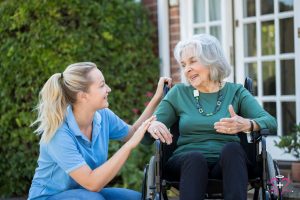
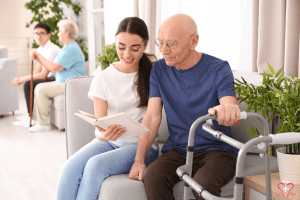
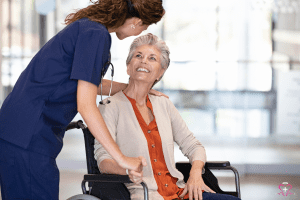
Family members or hired caregivers often provide these services under IHSS. The program provides a way for seniors and their families to receive financial assistance and professional support to manage daily care needs effectively.
Eligibility Criteria for Senior IHSS in 2026
Basic Eligibility Requirements
To qualify for IHSS in 2026, seniors must meet several key criteria:
- Age: Generally 65 or older, though younger adults with disabilities may also qualify.
- Residency: Must be a California resident living in their own home or community setting.
- Functional Need: Demonstrated need for assistance with activities of daily living (ADLs) or instrumental activities of daily living (IADLs).
Income and Asset Limits
As of 2026, IHSS has updated income and asset guidelines that applicants must meet. Seniors with limited income, typically near or below 138% of the Federal Poverty Level (FPL), are usually eligible. Asset limits may vary, but the program focuses on those who lack sufficient resources to pay for in-home care.
Medical Necessity and Functional Assessment
Before approval, a trained social worker conducts a thorough assessment of the senior’s medical condition, cognitive status, and ability to perform daily activities. This evaluation determines the scope and amount of IHSS hours authorized.
Types of Services Covered Under IHSS for Seniors
Personal Care Assistance
Personal care tasks include help with bathing, dressing, grooming, toileting, and mobility support. Seniors who need assistance with these vital functions are often approved for significant IHSS hours.
Homemaking and Household Tasks
IHSS also covers light housekeeping, meal preparation, grocery shopping, and laundry to ensure a safe, clean living environment that promotes well-being.
Protective Supervision for Seniors
One of the 2026 priorities is protective supervision, a service for seniors with cognitive impairments such as dementia or Alzheimer’s disease. This supervision helps prevent injury and wandering, providing peace of mind for families.
The 2026 Application Process: Step-by-Step
Where to Apply
Seniors or their caregivers can start the IHSS application process through their county social services office or online portals designed to streamline 2026 applications.
Documentation Required
Applicants need to provide:
- Proof of age and California residency
- Income statements and asset verification
- Medical documentation supporting functional need
- Identification and authorization of the potential caregiver (if known)
Assessment and Approval Timeline
After submitting the application, a social worker typically completes the home visit and functional assessment within 30 days. Seniors can expect to receive their approval status and authorized hours shortly thereafter.
Maximizing IHSS Benefits: Tips for Seniors and Caregivers
Documenting Care Needs Accurately
It is crucial to provide detailed and truthful information during assessments. Include all limitations, medical conditions, and daily challenges that impact independence to ensure adequate hours.
Working with IHSS Providers
Many seniors benefit from hiring trusted caregivers or family members through the IHSS program. Our team at All Seniors Foundation encourages maintaining open communication and understanding state-specific caregiver employment rules.
Appealing Denials or Reduced Hours
If an IHSS application is denied or hours are reduced, seniors have the right to request a fair hearing. Advocates or legal aid services can assist in presenting evidence to restore or increase approved hours.
Retirement Caregiver Help: Coordination Strategies
Combining IHSS with Other Senior Services
IHSS often works best alongside other state and federal programs such as Medicare, Medi-Cal, and local aging services. Coordinated care can include physical therapy, transportation, and social activities.
Hiring and Training Caregivers
As 2026 sees advancements in caregiver training, many seniors benefit from caregivers who have completed state-certified programs focusing on dementia care, fall prevention, and health monitoring.
Self-Care for Caregivers
Retirement caregivers must prioritize their own well-being to sustain the demanding role. Support groups, respite care options, and mental health resources are increasingly accessible as part of holistic caregiving.
Protective Supervision Explained: Addressing Cognitive Impairment
Who Needs Protective Supervision?
This service is essential for seniors with memory loss, confusion, or other cognitive challenges that increase the risk of accidents at home.
How Protective Supervision Works
Caregivers provide one-on-one oversight and engage in activities that prevent wandering and promote safety, allowing seniors to remain comfortably at home.
Recent 2026 Updates to Protective Supervision
New guidelines emphasize individualized care plans and technology integration such as GPS trackers and smart home monitoring to enhance safety without compromising autonomy.
Common Challenges and Solutions in Navigating IHSS
Addressing Application Delays
Due to high demand, some counties experience application processing delays. Following up regularly, providing complete documentation, and working with caseworkers can expedite the process.
Overcoming Caregiver Eligibility Issues
Occasionally, caregivers face disqualifications due to background checks or conflict of interest. In such cases, immediate family members may need to seek alternate caregivers or appeal decisions.
Managing Limited IHSS Hours
When authorized hours do not cover all care needs, supplementing with private pay caregivers or community volunteer programs can bridge gaps effectively.
Frequently Asked Questions (FAQ)
1. Can I apply for IHSS if I already receive Medi-Cal?
Yes. IHSS eligibility is separate but complementary to Medi-Cal benefits. Receiving Medi-Cal often simplifies IHSS qualification, but an application and assessment are still required.
2. How many hours of IHSS can a senior receive?
Hours vary based on individual needs assessed by the county social worker. Most seniors receive between 20 to 160 hours per month depending on their level of disability and care requirements.
3. Are family members paid caregivers under IHSS?
Yes. IHSS allows seniors to employ trusted family members, including spouses and adult children, as paid caregivers, provided they meet program requirements.
4. What if my senior loved one refuses IHSS services?
Refusal is common due to privacy or independence concerns. Counseling, education about benefits, and gradual introduction to services often help ease resistance.
5. Can IHSS services include transportation to medical appointments?
IHSS primarily covers in-home care tasks and cannot pay for transportation; however, other programs through local agencies on aging may provide transport services.
6. How does IHSS handle seniors with Alzheimer’s or dementia?
Seniors with cognitive impairment often qualify for additional protective supervision hours tailored to ensure their safety and prevent accidents in the home.
Key Takeaways
- IHSS in 2026 remains a cornerstone program to enable seniors to age in place with dignity and support.
- Eligibility hinges on residency, financial need, and demonstrated functional impairments requiring personal care or supervision.
- Protective supervision services have grown in importance, adapting to modern technology and best practices for dementia care.
- Successful navigation of the IHSS application process requires thorough documentation, timely follow-up, and sometimes appeals.
- Caregiver collaboration and coordinated care across programs strengthen outcomes for seniors and their families.
- Our team at All Seniors Foundation is dedicated to providing up-to-date guidance helping seniors and caregivers confidently access and maximize IHSS benefits in 2026 and beyond.