Understanding Aging Skin and Its Impact on Wound Healing
The Biology of Aging Skin
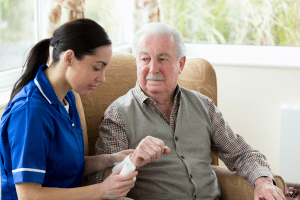
As individuals age, their skin undergoes significant physiological changes that influence how wounds heal. In 2026, research continues to underscore that aging skin becomes thinner, less elastic, and more fragile due to reduced collagen production and decreased skin cell turnover. These factors contribute to longer healing times and a higher risk of wound complications.
Common Wound Types in Seniors
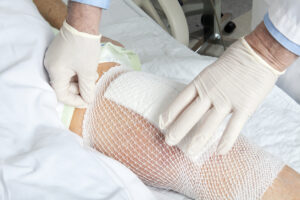
Senior wound care often involves managing specific types of wounds such as pressure ulcers, venous leg ulcers, diabetic foot ulcers, and surgical wounds. These wounds typically arise from underlying chronic conditions, decreased mobility, or impaired circulation, which are prevalent among elderly patients.
Challenges in Elderly Wound Healing
Besides the intrinsic changes in aging skin, elderly patients frequently face comorbidities like diabetes, vascular diseases, and malnutrition. These issues impair oxygenation and nutrient delivery to tissues, slowing the healing process and increasing infection risk.
Modern Wound Assessment Techniques
Comprehensive Patient Evaluation
A modern wound assessment begins with a detailed patient history including chronic illnesses, medications, mobility status, and nutrition. According to 2026 clinical guidelines, holistic evaluation helps tailor care plans uniquely suited to each senior’s needs.
Advanced Imaging and Measurement Tools
Technology in 2026 offers enhanced wound imaging tools such as high-resolution digital photography, infrared thermography, and 3D wound measurement devices. These methods improve accuracy in monitoring wound progression, enabling timely intervention.
Infection and Bioburden Assessment
Detecting infection early is critical. The latest practices recommend regular microbial assessments and use of point-of-care diagnostic tools that detect biofilms and bacterial loads non-invasively, aiding in targeted antimicrobial treatment.
Innovative Wound Cleaning and Debridement Methods
Safe and Gentle Cleaning Protocols
In 2026, wound cleansing emphasizes minimizing tissue trauma while effectively removing debris. Modern approaches favor sterile saline irrigation and surfactant-based cleansing agents over traditional harsh antiseptics to preserve viable tissue.
Types of Debridement Techniques
Debridement remains a cornerstone of wound care. Techniques include:
- Autolytic: Utilizes the body’s enzymes to break down necrotic tissue with moisture-retentive dressings.
- Mechanical: Gentle approaches like hydrotherapy or soft gauze dressings.
- Enzymatic: Application of topical agents that selectively digest dead tissue.
- Surgical: Performed when rapid removal of necrosis is necessary.
Choosing an appropriate method depends on wound status and patient tolerance.
Emerging Technologies: Ultrasound and Laser Debridement
Ultrasound-assisted wound debridement and laser therapies are increasingly available in clinical and retirement home settings. These methods are minimally invasive and promote faster granulation and reduced infection risk.
Advanced Dressing Materials and Technologies
Hydrocolloid, Foam, and Alginate Dressings
Modern dressing options are designed to maintain a moist healing environment while managing exudate. Hydrocolloid and foam dressings provide cushioning and barrier protection, and alginate dressings, derived from seaweed, are highly absorbent for wounds with heavy drainage.
Smart Dressings with Biosensors
In 2026, smart wound dressings equipped with biosensors monitor pH, moisture levels, and infection markers in real-time. These dressings can alert caregivers and healthcare professionals immediately when intervention is needed, vastly improving proactive care.
Antimicrobial and Growth Factor-Infused Dressings
Dressings infused with antimicrobial agents like silver, honey, or iodine help reduce bacterial load, while others incorporate growth factors or stem cell derivatives to stimulate tissue regeneration, now more accessible thanks to regulatory advances.
Nutrition’s Role in Wound Healing for Seniors
Essential Nutrients for Skin Repair
Protein, vitamins A and C, zinc, and hydration play vital roles in tissue repair and immune support. Our team at All Seniors Foundation emphasizes personalized nutritional plans adjusted for seniors’ specific needs and eating capacities in 2026.
Nutrition Screening and Support
Regular screening for malnutrition risk using tools like the Mini Nutritional Assessment (MNA) is standard in elderly care. Nutritional supplementation and, when necessary, dietitian involvement ensure seniors receive adequate support to facilitate wound healing.
Addressing Common Nutritional Barriers
Challenges such as chewing difficulties, swallowing problems, appetite loss, and medication interactions are common in elderly populations. Effective management of these issues can significantly impact recovery timelines.
Infection Prevention and Management in Elderly Wounds
Updated Infection Control Guidelines
In 2026, infection prevention revolves around strict hygiene protocols, use of barrier products, and routine wound surveillance. Best practices include thorough hand hygiene by caregivers and minimizing unnecessary dressing changes to reduce contamination risk.
Antibiotic Stewardship and Alternatives
Given the rise of antibiotic resistance, guidelines emphasize judicious antibiotic use based on precise diagnosis. Novel alternatives like bacteriophage therapy and antimicrobial peptides are emerging as promising adjuncts to traditional treatments.
Vaccination and Immune Support
Promoting vaccination against illnesses such as influenza and shingles helps maintain overall immune function in the elderly, indirectly supporting wound healing processes.
Role of Caregivers in Senior Wound Care
Education and Training for Caregivers
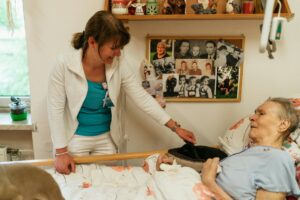
Caregivers, both professional and family members, play a critical role in wound management. Our team at All Seniors Foundation advocates for ongoing education programs that provide up-to-date wound care knowledge and hands-on skills for caregivers in 2026 facilities.
Daily Wound Care and Monitoring
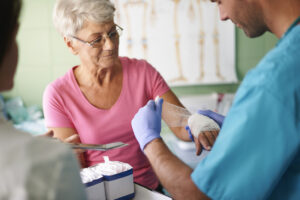
Tasks including proper dressing changes, skin inspection, moisture management, and pain control require careful attention. Empowered caregivers contribute to accelerated healing and improved quality of life.
Emotional Support and Communication
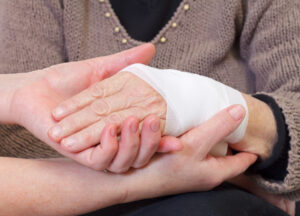
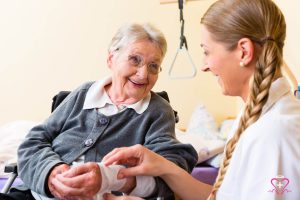
Wound care can be painful and frustrating for seniors. Caregivers providing empathy alongside medical care enhance patient compliance and overall wellbeing.
Wound Care Practices in Retirement Homes and Long-Term Care Settings
Adapting Care to Facility Resources and Resident Needs
Retirement homes are increasingly adopting standardized wound care protocols aligned with 2026 evidence-based guidelines. These include multidisciplinary collaborations involving physicians, nurses, dietitians, and therapists.
Use of Telemedicine and Remote Monitoring
Telehealth technologies allow specialists to remotely assess wounds in underserved or rural retirement homes. This integration ensures timely expert input without requiring residents to travel.
Policies for Pressure Ulcer Prevention
Implementing routine repositioning schedules, pressure-relieving mattresses, and skin hydration regimens is essential to prevent pressure ulcers. Facilities employ data tracking systems to monitor incidence rates and improve practices continuously.
Emerging Trends and Future Directions in Elderly Wound Care
Personalized Medicine and Genomics
Advances in genomic profiling offer promise in identifying seniors at higher risk for delayed healing or complications. Personalized therapies based on genetic markers could revolutionize how wound care is approached by 2027.
Regenerative Medicine and Biologics
Stem cell therapies, bioengineered skin substitutes, and platelet-rich plasma treatments are gaining traction as effective options for complex wounds, offering hope for enhanced repair even in hard-to-heal wounds.
Artificial Intelligence and Predictive Analytics
AI tools in wound care assist clinicians and caregivers in predicting wound healing trajectories, optimizing treatment plans, and allocating resources efficiently—ushering in a new era of data-driven care.
Frequently Asked Questions (FAQ)
1. How can I prevent wounds from developing on aging skin?
Prevention includes regular skin inspections, maintaining good hygiene, ensuring proper nutrition, frequent position changes to relieve pressure, and using moisturizing lotions designed for sensitive skin.
2. When should a raised or unusual wound on a senior be evaluated by a healthcare professional?
Any wound that does not show signs of healing within a week, appears infected (redness, swelling, warmth, pus), or causes severe pain should be evaluated promptly to avoid complications.
3. What are the best wound dressings for elderly skin?
Dressings that provide a moist environment without adhering to fragile skin, such as hydrocolloids, foams, and alginates, are usually preferred. Smart dressings with sensors are increasingly recommended when available.
4. Can caregivers safely perform wound care at home or in retirement homes?
Yes. With appropriate training and clear guidelines, caregivers can effectively manage routine dressing changes and monitor wounds, but they should always consult a healthcare professional if complications arise.
5. How does nutrition influence wound healing in seniors?
Adequate intake of protein, vitamins, and minerals supports tissue repair and immune function. Malnutrition is a significant barrier to healing, making nutritional assessment and intervention vital steps in wound care.
6. Are there new treatments available for chronic wounds in the elderly?
Yes. Treatments such as stem cell therapy, bioengineered tissues, and antimicrobial peptides are being integrated into care protocols in 2026 and beyond, particularly for wounds resistant to conventional therapies.
Key Takeaways
- Aging skin requires specialized wound care approaches that consider physiological changes and comorbidities common in seniors.
- Advanced assessment tools and smart dressings enhance monitoring and outcomes for elderly wound patients.
- Nutrition and infection prevention remain critical pillars in successful wound healing.
- Caregiver education and support are indispensable for consistent, high-quality wound care in home and retirement settings.
- Emerging technologies such as telemedicine, regenerative medicine, and AI are shaping the future landscape of senior wound care.
- Our team at All Seniors Foundation is committed to providing seniors and their families with the latest, evidence-based wound care information to promote healing and improve quality of life.