Understanding Wound Care Challenges in Aging Seniors
The Unique Nature of Aging Skin
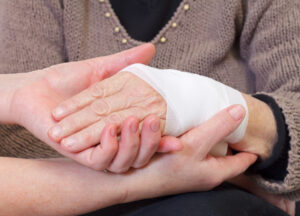
As we age, our skin undergoes significant changes that affect its ability to heal wounds efficiently. Thinning epidermis, reduced collagen production, decreased elasticity, and diminished immune response combine to increase the risk of wounds, slow healing, and make elderly skin more vulnerable to infection and injury.
Common Chronic Wounds Among Older Adults
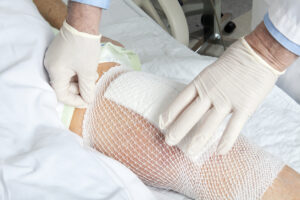
Chronic wounds such as pressure ulcers, diabetic foot ulcers, venous leg ulcers, and surgical wounds represent frequent challenges in senior wound care. These wounds often persist for months due to underlying health issues common among seniors, including diabetes, vascular diseases, and immobility.
The Impact of Comorbidities on Wound Healing
Chronic conditions prevalent in retirement-age adults—like diabetes, peripheral artery disease, and malnutrition—can impair blood flow, immune function, and tissue regeneration, complicating wound healing further. Recognizing these factors is essential for personalized wound management strategies.
Advances in Aging Wound Treatment: Modern Approaches for 2026
Next-Generation Dressings and Materials
In 2026, wound dressings have evolved dramatically. Modern materials such as bioactive dressings, antimicrobial hydrocolloids, and nanofiber scaffolds promote a moist wound healing environment, reduce infection risk, and accelerate tissue repair. These advancements optimize elderly wound outcomes by supporting natural healing mechanisms.
Regenerative Medicine and Cellular Therapies
Cutting-edge therapies like stem cell treatments and platelet-rich plasma (PRP) injections have gained prominence. These approaches boost healing by stimulating cellular regeneration and modulating inflammation, making them promising options for stubborn chronic wounds in seniors.
Smart Wound Monitoring Technologies
wearable sensors and AI-powered devices can now continuously monitor wound parameters such as pH, temperature, and moisture levels. These innovations enable timely interventions by caregivers and healthcare providers, reducing complications and hospitalizations among elderly patients.
Personalized Care Plans: The Foundation for Effective Elderly Wound Management
Comprehensive Assessment and Risk Stratification
Effective wound care begins with a holistic assessment that includes skin condition, mobility, nutrition, chronic illnesses, and social factors. Our team at All Seniors Foundation emphasizes the importance of risk stratification to tailor interventions effectively.
Interdisciplinary Care Teams
Collaborative care involving physicians, wound care nurses, nutritionists, physical therapists, and caregivers ensures that all aspects influencing wound healing are addressed. Integrated care plans improve patient outcomes and enhance quality of life.
Customized Treatment Goals
Each senior’s treatment plan should align with their overall health status, healing potential, and personal goals—from complete wound closure to managing pain and preventing complications.
Nutritional Strategies to Enhance Wound Healing in Seniors
Essential Nutrients for Tissue Repair
Protein, vitamin C, zinc, and arginine are among the critical nutrients that support collagen synthesis and immune function. Nutrition assessment and supplementation are vital components of chronic wound management.
Addressing Malnutrition and Hydration
Malnutrition is common in elderly patients with chronic wounds due to factors like appetite changes and medication side effects. Proper hydration and nutrient-dense diets, sometimes supported with supplements, facilitate optimal healing.
Practical Nutrition Tips for Caregivers
- Ensure meals are balanced and easy to consume, accounting for chewing and swallowing difficulties.
- Incorporate snacks high in protein and vitamins throughout the day.
- Consult with a dietitian for personalized meal planning as needed.
Innovative Caregiver Tools and Techniques for Wound Management
Training and Education for Family Caregivers
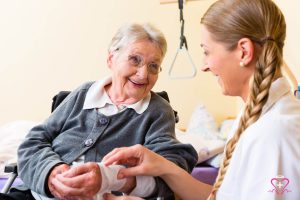
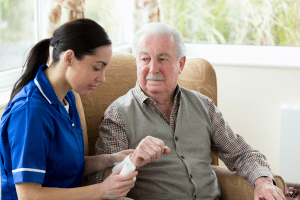
Our team at All Seniors Foundation recognizes that many wounds are managed at home. Caregiver education on wound cleaning, dressing changes, and infection signs is fundamental to preventing complications.
Utilization of Telehealth and Remote Support
Telemedicine platforms now offer caregivers direct access to wound specialists who can guide treatment, verify dressing techniques, and adjust care plans without frequent clinic visits.
Ergonomic and Safety Equipment
Specialized wound care kits, dressing adhesives designed for delicate skin, and no-lift transfer aids reduce caregiver strain and ensure safe, effective wound management in home settings.
Pressure Ulcer Prevention: Modern Protocols for At-Risk Seniors
Risk Assessment Tools and Early Detection
Standardized scales like the Braden Scale help identify seniors at risk for pressure ulcers. Early intervention relies on frequent skin inspections and repositioning schedules customized to individual risk profiles.
Advanced Pressure-Relieving Surfaces
The latest in pressure redistribution technology includes smart mattresses and cushions that automatically adjust to redistribute weight and reduce pressure points—critical for bedridden or wheelchair-bound seniors.
Mobility and Repositioning Strategies
Physical therapy interventions combined with scheduled repositioning every two hours remain the gold standard. Emerging robotic aids can assist seniors in independent movement, reducing pressure ulcer risk.
Managing Diabetes-Related Wounds in Aging Adults
Glycemic Control and Its Role in Healing
Optimal blood sugar management in 2026 remains pivotal in accelerating wound healing and reducing infection risk, particularly for diabetic foot ulcers common in elderly populations.
Offloading and Protective Footwear Innovations
New personalized orthotic devices and 3D-printed offloading insoles help redistribute pressure away from foot ulcers, enabling more effective healing while maintaining mobility.
Integrative Infection Control Approaches
Advanced antimicrobial dressings combined with routine wound swabs guide targeted antibiotic therapy, minimizing antibiotic resistance and complications.
Embracing Technology: The Future of Senior Wound Care
Artificial Intelligence and Predictive Analytics
AI platforms analyze patient data to predict wound healing trajectories and recommend optimized care pathways, allowing proactive management and resource allocation.
Robotic Assistance and Automated Dressing Changes
Emerging robotic systems can assist in dressing changes, reducing caregiver burden and ensuring precision in wound care practices.
Virtual Reality (VR) and Pain Management
Innovative VR therapies have shown promise in reducing pain and anxiety during wound treatment sessions, improving patient comfort and cooperation.
FAQs on Senior Wound Care Innovations
1. What are the most effective new dressings for elderly wound care in 2026?
Bioactive dressings containing antimicrobial agents and nanofiber scaffolds that promote moist healing environments are currently regarded as most effective in facilitating elderly wound repair.
2. How can caregivers monitor wounds effectively at home?
Caregivers can use smartphone apps linked to wearable sensors or utilize telehealth consultations to monitor wound progress, ensuring timely interventions and reducing complications.
3. Are stem cell therapies widely available for senior wound treatment?
While not yet standard, stem cell therapies are increasingly accessible through specialized clinics and show promise especially for chronic non-healing wounds in aging adults.
4. How important is nutrition in managing chronic wounds for seniors?
Extremely important—adequate protein intake, vitamins, minerals, and hydration are foundational to the body’s ability to repair tissues and fight infection.
5. What role does technology play in preventing pressure ulcers?
Pressure-mapping mattresses and AI-integrated repositioning alerts help reduce pressure ulcer incidence by ensuring at-risk seniors receive proper pressure relief and care timely.
6. Can virtual reality really help seniors with wound-related pain?
Yes, VR therapies distract and relax patients during painful wound care procedures, thereby lowering perceived pain and improving treatment tolerance.
Key Takeaways
- Aging skin presents unique challenges in wound healing, requiring specialized care approaches.
- Innovations such as bioactive dressings, regenerative therapies, and smart monitoring devices are transforming senior wound care in 2026.
- Personalized, interdisciplinary care plans centered around comprehensive assessments optimize outcomes.
- Nutrition and hydration remain critical underpinnings of effective wound repair in elderly individuals.
- Caregivers play a vital role empowered by education, ergonomic tools, and telehealth support.
- Emerging technologies including AI, robotics, and virtual reality are shaping the future of wound management and patient comfort.
- Preventing pressure ulcers through advanced surfaces and mobility strategies is an essential component of holistic senior care.
Our team at All Seniors Foundation is dedicated to providing seniors and caregivers with the latest information and resources to tackle the challenges of wound care confidently and compassionately. By embracing these innovative solutions, aging adults can achieve better healing outcomes and maintain their quality of life.