Introduction: The Vital Role of Senior Community Activities in Aging Well
As we progress further into 2026, the emphasis on quality of life during retirement years continues to grow. In particular, senior community activities have become central to helping older adults maintain physical health, mental well-being, and social connections. These programs not only bolster aging well but also enrich the overall retirement lifestyle for seniors and their families.
Our team at All Seniors Foundation is dedicated to offering insights and resources that empower seniors to embrace active, fulfilling lives. This comprehensive article explores how engaging in community activities positively impacts seniors’ health, happiness, and caregiver support, supported by the latest trends, science, and best practices emerging in 2026 and 2027.
Understanding the Benefits of Senior Community Engagement
Physical Health Advantages
Participating in community activities promotes regular physical movement, which is essential in preventing chronic diseases common in later life such as cardiovascular issues, arthritis, and diabetes. Current 2026 guidelines from leading health organizations highlight moderate exercise combined with social engagement as a powerful strategy against age-related decline.
Mental and Cognitive Wellness
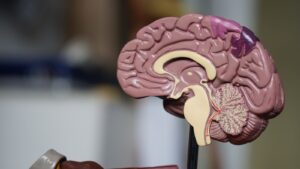
Isolation and loneliness are recognized as significant risk factors for cognitive decline and depression among seniors. Engaging with peers through structured community programs stimulates cognitive activity and emotional resilience. Studies show that seniors involved in volunteer work, book clubs, or arts-based groups demonstrate better memory retention and mood regulation.
Social Connectivity and Emotional Support
Community activities create vital networks of friendship and support, combating loneliness—a major concern in retirement. Social connections also foster a sense of purpose and belonging, which are crucial to enduring happiness and life satisfaction after retirement.
Popular and Emerging Senior Community Activities in 2026
Tech-Enabled Wellness Programs
The rise of technology tailored for seniors in 2026 has revolutionized community engagement. Virtual reality (VR) exercise classes, online social clubs, and AI-assisted memory games allow seniors to participate from home or within community centers, increasing accessibility and inclusivity.
Intergenerational Programs
Bridging the generation gap through programs that connect seniors with youth continues to gain momentum. Activities like story-sharing sessions, collaborative art projects, and technology tutoring enrich both groups, fostering mutual respect and learning across ages.
Cultural and Creative Workshops
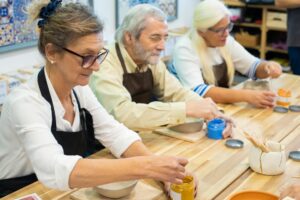
Arts, music, dance, and crafts workshops offer seniors a meaningful outlet for expression and cognitive stimulation. These programs have expanded in 2026 to include diverse cultural offerings reflecting growing community multiculturalism, enhancing engagement and social diversity.
Creating an Inclusive Environment in Senior Communities
Accessibility and Mobility Support
Modern senior communities increasingly prioritize barrier-free design and transportation support. From wheelchair-accessible venues to ride-sharing services for seniors, inclusion is key to participation. Such measures ensure that physical limitations do not restrict involvement in social activities.
Cultural Competency and Diversity Awareness
In 2026, inclusive programming respects diverse backgrounds, languages, and traditions among seniors. This approach strengthens community bonds and ensures that all seniors feel valued and represented.
Personalized Program Offerings
Advances in senior care technology enable customized activity plans that respect individual interests, cognitive abilities, and health status. Personalization enhances participation rates and satisfaction in community engagements.
The Role of Senior Community Activities in Enhancing Caregiver Support
Providing Respite and Stress Relief
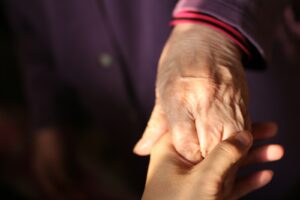
Caregivers often face significant emotional and physical strain. Access to senior community activities can provide valuable respite, allowing caregivers time to rest while knowing their loved ones are engaged safely and meaningfully.
Offering Educational and Support Resources
Many community centers now integrate caregiver support programs offering training, counseling, and peer groups. These resources empower caregivers with knowledge and emotional support, improving caregiving outcomes in 2026.
Promoting Shared Activities for Seniors and Caregivers
Joint events foster stronger bonds and mutual understanding between seniors and their caregivers. Participating together in creative or physical activities encourages communication and shared joy.
How to Find and Join Senior Community Activities Efficiently
Using Local Resources and Senior Centers
Most cities and towns have designated senior centers and community hubs with calendars of events tailored for older adults. Utilizing these centers is a great first step to get involved.
Leveraging Online Platforms and Mobile Apps
Technology continues to simplify discovering and registering for activities. Websites and apps designed specifically for seniors can list local events, offer virtual classes, and provide community forums to connect with others.
Volunteering and Peer-Led Initiatives
Many seniors find purpose by creating or leading social groups and volunteer projects. These grassroots efforts often enhance community spirit and can be initiated with assistance from local nonprofits or municipal agencies.
Addressing Common Barriers to Participation and How to Overcome Them
Physical Limitations and Health Concerns
Activities now often include adaptive options and health screenings to accommodate varying ability levels, removing obstacles related to mobility or chronic conditions.
Transportation and Accessibility Issues
Community organizations increasingly partner with transportation services to provide rides for seniors. Telehealth and virtual activity options also mitigate transport difficulties.
Social Anxiety and Motivational Challenges
Small group introductions, buddy systems, and professional staff trained in elder care psychology help ease anxieties that may prevent participation. Encouragement and gradual integration into groups are effective strategies.
Success Stories: How Senior Communities Changed Lives in 2026
Improved Health Through Group Fitness Programs
Thousands of seniors nationwide report better mobility and mental clarity after joining community-led fitness classes such as tai chi, swimming, and walking clubs.
Enhanced Well-being via Social Arts Initiatives
Seniors participating in art therapy and community theater have experienced significant decreases in depression and increased social interaction, according to recent surveys collected in 2026.
Strengthened Caregiver Relationships
Caregivers attending workshops and shared activities with seniors note stronger familial bonds and reduced caregiver burnout, emphasizing the holistic value of community engagement.
Future Trends in Senior Community Activities: Looking Ahead to 2027 and Beyond
Integration of Smart Home and Wearable Tech
Emerging innovations connect activity tracking, health monitoring, and social interaction into seamless experiences that encourage participation and safety in senior communities.
Expansion of Hybrid and Remote Socialization Options
While in-person gatherings remain essential, hybrid models combining virtual and face-to-face interaction open new possibilities for those with mobility or geographic barriers.
Focus on Mental Health and Holistic Wellness
The ongoing emphasis on mental health in 2027 means senior community activities increasingly include mindfulness, meditation, and counseling services as integral components.
Frequently Asked Questions (FAQ)
What types of activities are best for seniors looking to improve physical health?
Activities such as walking groups, swimming, yoga, tai chi, and low-impact aerobics are highly recommended for seniors because they combine cardiovascular, balance, and strength benefits with social connection.
How can technology help seniors stay connected in community activities?
In 2026, technology offers virtual classes, social platforms, and interactive games that enable seniors to participate even from home, expand their social circles, and remain cognitively engaged.
Are there activities designed specifically for seniors with mobility challenges?
Yes, adaptive programs including seated exercises, chair yoga, and virtual participation options ensure inclusivity for seniors with mobility limitations.
How do senior community activities support caregivers?
They provide essential respite, social support networks, educational resources, and opportunities for shared experiences, all of which help alleviate caregiver stress and enhance caregiving quality.
What should families look for when selecting a senior community program?
Consider accessibility, variety of activities, staff qualifications, adaptability to individual needs, cultural inclusiveness, and opportunities for social engagement when choosing programs.
Are intergenerational activities effective for seniors?
Absolutely. Intergenerational programs foster purpose, reduce loneliness, and provide cognitive stimulation while promoting community cohesion and learning across generations.
Key Takeaways
- Senior community activities are vital for maintaining physical, mental, and emotional health in retirement.
- The use of technology and innovative program designs in 2026 improves accessibility and inclusiveness for seniors.
- Social connections developed through these activities combat loneliness and foster a strong sense of belonging.
- Caregivers benefit greatly from senior community engagement through support networks and shared recreational opportunities.
- Overcoming barriers such as mobility, transportation, and social anxiety is achievable with tailored programs and community resources.
- Future trends point toward integrated technology, hybrid activity models, and an increased focus on mental wellness to support aging well.
As we look forward to 2027, our team at All Seniors Foundation remains committed to helping seniors and their families discover the power of community in aging well. Embracing engagement and social activity transforms retirement into a joyful, healthy, and connected chapter of life.