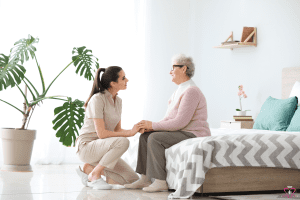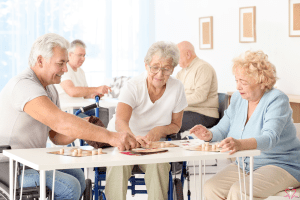
As we grow older, maintaining meaningful social connections becomes vitally important for our mental, emotional, and physical well-being. Yet, many seniors face isolation and loneliness, which can detrimentally affect their quality of life. Intergenerational senior programs provide a unique solution by bringing together seniors and younger generations to foster community engagement, enrich social activities, and promote active aging.
Incorporating these programs into senior lifestyle and recreation initiatives helps break down age barriers and sparks vibrant exchanges that benefit everyone involved. At All Seniors Foundation, our team is committed to supporting such community-driven efforts that empower seniors to live fulfilling, connected lives.
Understanding Intergenerational Senior Programs and Their Importance
What Are Intergenerational Senior Programs?
Intergenerational senior programs are activities or initiatives designed to connect seniors with younger age groups, such as children, teens, or young adults. These programs foster mutual learning, cooperation, and social interaction across generations.
Why These Programs Matter for Seniors
Research shows that seniors who participate in intergenerational activities experience improved cognitive function, lower rates of depression, and greater life satisfaction. These programs combat social isolation by encouraging seniors to build friendships and feel valued.
Community Engagement Benefits Beyond Seniors
Besides enhancing the senior lifestyle, intergenerational programs strengthen community bonds, encourage respect for elders among youth, and build empathy. They nurture an inclusive environment where everyone’s experiences and knowledge are shared.
Key Components of Successful Intergenerational Senior Programs
Inclusive Planning and Accessibility
Programs should be designed with diverse seniors in mind, considering mobility, health conditions, and cultural backgrounds. Ensuring physical accessibility and comfortable venues is essential for participation.
Mutually Beneficial Activities
Activities must provide value to both seniors and younger participants. This could include mentoring, storytelling, art projects, or technology workshops, fostering learning and engagement from both sides.
Consistent Scheduling and Communication
Regular and predictable meeting times help build routine and anticipation. Clear communication about expectations and program goals maintains enthusiasm and commitment.
Examples of Intergenerational Senior Programs to Inspire Community Engagement
Senior-Youth Mentorship Programs
Seniors offer life advice, career guidance, or craft skills to younger participants. This not only empowers youth but gives seniors a meaningful sense of purpose.
Community Gardening Projects
Gardening allows different age groups to collaborate outdoors, promoting physical activity, teamwork, and environmental awareness.
Technology Tutoring Sessions
Younger volunteers help seniors navigate smartphones, social media, and online tools, bridging the digital gap and reducing seniors’ technological isolation.
How Intergenerational Programs Promote Active Aging and Senior Social Activities
Enhancing Physical and Mental Health
Engaging with younger generations encourages seniors to stay physically active and mentally stimulated, which supports brain health and prevents decline.
Boosting Emotional well-being
The friendships and camaraderie developed through these programs reduce loneliness and build self-esteem, critical factors in emotional resilience.
Providing A Sense of Purpose and Belonging
Participating seniors feel valued and connected to their communities, fostering a positive outlook on aging.
Steps to Create an Effective Intergenerational Senior Program
Step 1: Assess Community Needs and Resources
Identify the target populations, available facilities, and potential partner organizations such as schools or youth groups.
Step 2: Design Program Goals and Activities
Develop activities that suit participants’ abilities and interests, aiming for mutual benefits and measurable outcomes.
Step 3: Recruit and Train Participants and Volunteers
Reach out to both seniors and younger generations, providing orientation and clear guidelines to ensure positive interactions.
Step 4: Launch, Monitor, and Adapt
Start the program with a welcoming event, gather feedback regularly, and make adjustments to improve engagement and satisfaction.
Overcoming Common Challenges in Intergenerational Senior Programs
Addressing Stereotypes and Age-Related Misconceptions
Education is critical to overcoming assumptions that seniors cannot engage with or understand younger generations.
Managing Physical and Cognitive Limitations
Adapt activities to accommodate varying abilities and provide support as needed to ensure all can participate comfortably.
Ensuring Consistent Participation
Motivate involvement with engaging content, flexible scheduling, and making social bonds a program priority.
Expert Tips for Facilitating Meaningful Intergenerational Connections
Encourage Storytelling and Shared Experiences
Stories create emotional ties and foster understanding across ages.
Promote Collaborative Problem-Solving
Joint projects that require teamwork build trust and common goals.
Celebrate Achievements Together
Recognizing accomplishments motivates continued participation and strengthens group identity.
Quick Facts: The Impact of Intergenerational Senior Programs
- According to studies, seniors engaged in intergenerational programs report up to a 30% decrease in feelings of loneliness.
- Community programs involving multiple generations can reduce ageist attitudes among youth by nearly 40%.
- Active aging initiatives featuring intergenerational components have been linked to improved cognitive scores among older adults.
Frequently Asked Questions About Intergenerational Senior Programs
What types of activities work best in intergenerational programs?
Activities that involve collaboration, such as arts and crafts, gardening, technology tutoring, and story swapping, tend to be most effective.
How often should these programs meet?
weekly or biweekly sessions help maintain momentum and allow participants to build relationships over time.
Do seniors need special training to participate?
No formal training is required, but orientation sessions can help seniors and younger participants get comfortable and understand program goals.
How do intergenerational programs benefit younger participants?
Youth gain wisdom, empathy, practical skills, and positive role models from seniors.
Can these programs be adapted for seniors with limited mobility?
Absolutely. Activities can be modified to suit physical abilities, including seated art projects or virtual interactions.
Where can communities find support to start these programs?
The team at All Seniors Foundation encourages reaching out to local senior centers, schools, libraries, and nonprofit organizations as potential partners.
Key Takeaways
- Intergenerational senior programs foster community engagement and active aging by connecting seniors with younger generations.
- Successful programs offer accessible, meaningful activities that provide mutual benefits and build social bonds.
- These initiatives improve seniors’ mental, emotional, and physical well-being while enriching community cohesion.
- Overcoming barriers such as stereotypes and mobility issues is essential for broad participation.
- Regular feedback and adaptability help sustain vibrant, impactful programs long-term.
Conclusion: Taking Action to Enrich Senior Lives Through Intergenerational Programs
Creating and supporting intergenerational senior programs is a powerful way to ignite community engagement for seniors while promoting active aging. By bridging generations, these initiatives foster understanding, reduce isolation, and enhance the social fabric of communities.
Communities, caregivers, and organizations can start by partnering with local schools, planning shared activities, and inviting both seniors and youth to participate. Our team at All Seniors Foundation encourages you to champion these inclusive efforts—whether by volunteering, advocating, or simply spreading the word—to help seniors thrive socially and emotionally.
we we can build more connected, compassionate communities where every generation feels valued and engaged.