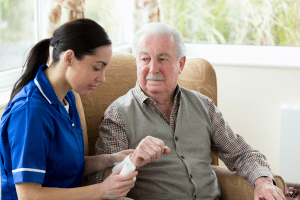
Introduction to Advanced Wound Care for Seniors in 2026
As the global population ages, effective wound care management has become increasingly critical. Seniors and elderly patients are particularly vulnerable to chronic wounds, including pressure ulcers, diabetic foot ulcers, and venous leg ulcers. The complexities of aging skin, combined with common chronic conditions, demand advanced wound care strategies that reflect the latest research and technology in 2026.
Note: This informational article is not a substitute for medical advice. Always talk with a qualified healthcare professional about testing, equipment, symptoms, wounds, treatment, or care decisions.
Our team at All Seniors Foundation is dedicated to providing seniors, their families, and caregivers with up-to-date information to ensure optimal healing and quality of life. In this comprehensive guide, we explore modern approaches to senior wound care, tailored for this unique population and designed to support informed decision-making in 2026 and beyond.
Understanding Aging and Its Impact on Wound Healing
The Physiology of Aging Skin
Aging skin undergoes significant structural and functional changes that affect its ability to heal wounds. By 2026, research continues to highlight that seniors typically experience:
- Reduced collagen production leading to thinner, less elastic skin
- Decreased skin cell turnover and slower regeneration rates
- Impaired immune function contributing to increased infection risk
- Reduced blood flow affecting oxygen and nutrient delivery to wounds
Common Comorbidities Complicating Wound Healing
Chronic illnesses prevalent among elderly populations, such as diabetes, peripheral arterial disease, and chronic kidney disease, create barriers to effective healing:
- Diabetes Mellitus: High blood sugar levels impair immune response and slow tissue repair.
- Cardiovascular Issues: Poor circulation restricts key nutrients and oxygen.
- Neuropathy: Loss of sensation delays detection of wounds and injuries.
- Malnutrition: Common in seniors and negatively affects collagen synthesis.
Aging and Chronic Wounds in Seniors
Chronic wounds are wounds that don’t heal within an expected timeframe, often persisting beyond three months. In 2026, chronic wounds remain a significant concern for elderly patients, necessitating specialized, multidisciplinary approaches. Recognizing the systemic and local factors in aging wound management is essential for clinicians and caregivers alike.
Types of Wounds Commonly Affecting Seniors
Pressure Ulcers (Bedsores)
Pressure ulcers arise from prolonged pressure on skin and soft tissues, frequently affecting immobile seniors. Modern prevention emphasizes early identification through risk assessment tools, repositioning protocols, and pressure-relieving devices.
Diabetic Foot Ulcers
By 2026, diabetic foot ulcers represent one of the most challenging types of chronic wounds in elderly patients with diabetes. These wounds require meticulous blood sugar control, regular foot exams, and often advanced offloading technologies to promote healing.
Venous Leg Ulcers
Venous insufficiency often leads to venous leg ulcers in seniors. Updated guidelines encourage compression therapy combined with wound dressings that optimize a moist healing environment and reduce bacterial burden.
Modern Wound Assessment Strategies
Comprehensive Wound Evaluation
Effective wound care begins with a thorough assessment including:
- Measuring wound size, depth, and tissue type
- Evaluating exudate amount and quality
- Identifying signs of infection or biofilm presence
- Assessing surrounding skin condition and vascular status
Use of Technology in Assessment
In 2026, advanced technologies augment clinical evaluation, such as:
- Digital imaging systems: Allow precise measurement and documentation of wound healing progression.
- Non-invasive perfusion assessment tools: Monitor blood flow in periwound areas.
- Point-of-care diagnostic tests: Rapid detection of wound infection and microbial colonization.
Risk Assessment Tools
Validated tools such as the Braden Scale remain essential for identifying seniors at high risk for pressure ulcers. Risk assessments are now integrated into electronic health records (EHR) for seamless monitoring and intervention triggers.
Innovations in Wound Dressing Technologies
Advanced Moisture-Retentive Dressings
Maintaining a balanced moisture environment is fundamental for healing. In 2026, novel hydrogels, foam dressings, and alginate-based products are designed for superior absorption and minimal trauma upon removal, specifically tailored for aging skin.
Antimicrobial and Biofilm-Disrupting Dressings
Chronic wounds often harbor biofilms that resist healing and traditional antibiotics. Modern dressings incorporate compounds such as silver ions, honey bioactives, and next-generation antimicrobial peptides to disrupt biofilms effectively while protecting healthy tissue.
Smart Dressings with Biosensors
Cutting-edge “smart” dressings can monitor pH levels, temperature changes, and bacterial load in real time, alerting caregivers via connected devices. These innovations allow timely interventions and reduce unnecessary dressing changes, a particularly important comfort factor for seniors.
Effective Pain and Infection Management in Elderly Wound Care
Pain Assessment and Control
Although pain is sometimes underreported in elderly patients, it significantly impacts healing and quality of life. The latest protocols advocate for routine pain assessments using tools adapted for seniors and multimodal pain management strategies that prioritize non-opioid options wherever possible.
Antibiotic Stewardship and Infection Control
Antibiotic resistance remains a global concern. In 2026, judicious use of systemic antibiotics is guided by culture and sensitivity testing. Local antimicrobial therapies, antiseptics, and wound debridement techniques are emphasized to reduce infection burden.
Debridement Techniques Updated
Wound debridement is crucial to remove necrotic tissue and biofilm. Advances include:
- Enzymatic debridement optimized for fragile elderly skin
- Low-frequency ultrasound-assisted removal of devitalized tissue
- Hydrosurgical tools allowing precise tissue sparing
Nutrition and Lifestyle Interventions for Enhanced Healing
Optimizing Nutritional Status
Nutrition is foundational to wound repair. Seniors often face malnutrition risks due to physiological changes and socioeconomic factors. Recommended practices in 2026 include comprehensive nutritional assessments, supplementation of protein, vitamins (especially A, C, and D), zinc, and hydration monitoring.
Physical Activity and Mobility
Maintaining mobility improves circulation and prevents pressure ulcers. Tailored exercise programs, physical therapy, and assistive devices support elderly patients in sustaining activity levels suited to their condition and abilities.
Smoking Cessation and Chronic Disease Management
Continued smoking impairs vascular function and healing. Integrated cessation programs alongside optimizing management of chronic diseases like diabetes and heart failure are essential components of holistic wound care.
Role of Caregivers and Multidisciplinary Teams in Senior Wound Care
Training and Education for Caregivers
Retirement caregivers often play a key role in daily wound management. In 2026, accessible educational programs and digital resources provided by organizations like All Seniors Foundation empower caregivers with skills in wound assessment, dressing changes, and infection prevention.
Collaboration Among Specialists
Successful aging wound management involves:
- Primary care physicians
- Wound care nurses
- Dietitians
- Physical therapists
- Infectious disease specialists
Multidisciplinary coordination ensures personalized care plans and improved outcomes.
Telemedicine and Remote Monitoring Advances
Telehealth solutions continue to expand in 2026, enabling frequent virtual consultations and remote wound assessments. This technology reduces travel burdens for seniors and allows early intervention to prevent complications.
Preventative Strategies to Minimize Wound Incidence in Elderly Populations
Skin Care Regimens
Preventing wounds starts with maintaining skin integrity. Modern protocols emphasize gentle cleansing, moisturization, and barrier protection tailored to sensitive aged skin.
Pressure Redistribution and Support Surfaces
Use of advanced mattresses, cushions, and ergonomic positioning devices reduce pressure ulcer risk in immobile seniors, supported by continuous risk assessment.
Regular Screening and Early Intervention
Routine skin inspections, particularly in high-risk seniors, allow for prompt identification of skin breakdown and immediate action to halt wound formation.
FAQs About Senior Wound Care in 2026
1. What are the signs that a wound in a senior patient is not healing properly?
Signs include increased size or depth, persistent redness or swelling, foul odor, excessive drainage, and pain. Early recognition is crucial to adjust treatment plans.
2. How often should wound dressings be changed in elderly patients?
The frequency depends on the type and amount of exudate, type of dressing, and infection risk. Advanced dressings often allow longer intervals, sometimes up to 7 days, reducing trauma from frequent changes.
3. Can seniors with cognitive decline still participate in wound care management?
Yes, with appropriate support and education tailored to their cognitive abilities. Caregivers play a vital role in ensuring adherence to care plans.
4. Are there any new technologies that help monitor wounds remotely?
Yes, smart dressings with biosensors and telemedicine platforms help caregivers and clinicians track wound healing progress and detect infections early.
5. How important is nutrition in elderly wound healing?
Nutrition is critical; protein, vitamins, and minerals support tissue repair and immune function, making nutritional optimization a cornerstone of wound care.
6. What role does mobility play in preventing pressure ulcers for seniors?
Movement enhances circulation and reduces sustained pressure on vulnerable areas, making regular repositioning and physical activity key preventive measures.
Key Takeaways
- Advancing age presents unique challenges to wound healing that require specialized care protocols in 2026.
- Chronic wounds such as pressure ulcers, diabetic foot ulcers, and venous leg ulcers are prevalent among seniors and demand a multidisciplinary treatment approach.
- Latest wound assessment tools and dressing technologies, including smart dressings, enhance healing outcomes and reduce complications.
- Pain management, infection control, and appropriate debridement are essential elements of effective wound care in elderly patients.
- Nutrition, mobility, and lifestyle interventions significantly influence the speed and quality of wound healing.
- Education and support for caregivers, combined with telehealth innovations, improve wound care delivery and patient comfort.
- Preventive strategies remain the best approach to minimizing wound incidence and complications in senior populations.
At All Seniors Foundation, we remain committed to equipping seniors, families, and healthcare providers with the latest advancements in wound care to promote dignity, comfort, and healing.
Related Senior Support From All Seniors Foundation
All Seniors Foundation helps older adults and caregivers in Los Angeles County navigate wound-care support questions, dressing-change needs, and follow-up care coordination. We do not replace a clinician, but we can help qualifying seniors connect with free support services and next-step resources.
This article is for general information only and is not medical advice. For urgent symptoms, infection concerns, severe pain, or emergencies, call 911 or contact a qualified medical professional right away.