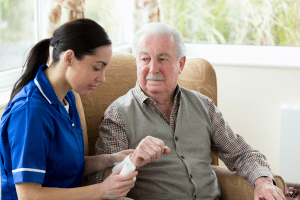
Introduction to Advanced Wound Care for Seniors in 2026
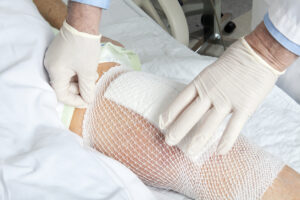
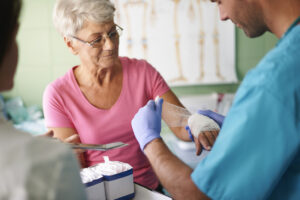
As we move through 2026, wound care for seniors and elderly patients continues to evolve with new research, technologies, and treatment protocols specifically tailored to the unique challenges faced by this population. Aging skin and comorbidities such as diabetes, vascular disease, and reduced mobility significantly impact wound healing and require a comprehensive, multidimensional approach. Our team at All Seniors Foundation is committed to equipping caregivers, healthcare professionals, and families with the latest evidence-based strategies to improve outcomes for seniors living with chronic and acute wounds.
This article explores advanced wound care strategies, emphasizing diabetic wound management, pressure ulcer prevention and treatment, innovative wound products, and holistic approaches that aim to enhance quality of life in elderly patients throughout 2026 and 2027.
The Physiology of Wound Healing in Seniors
How Aging Affects Skin Integrity and Repair
Aging skin undergoes structural and functional changes, including thinning of the epidermis, decreased collagen synthesis, reduced cellular proliferative capacity, and diminished immune response. These changes increase susceptibility to skin tears, ulcers, and delayed wound healing, making seniors more vulnerable to complications.
Common Challenges in Elderly Wound Healing
- Reduced microcirculation and oxygen delivery impede tissue repair.
- Systemic inflammation from chronic diseases such as diabetes and heart failure worsens tissue damage.
- Polypharmacy and nutritional deficits slow cellular regeneration.
Implications for Care
Understanding these physiological changes guides caregivers in selecting appropriate wound dressings, deciding on treatment frequency, and coordinating multidisciplinary care. Personalized wound management plans are essential for optimizing healing rates in this group.
Diabetic Wound Management in Elderly Patients
Modern Challenges of Aging Diabetics
Diabetes remains a leading cause of chronic wounds in seniors, largely due to peripheral neuropathy, vascular insufficiency, and immune dysfunction. In 2026, the prevalence of diabetic foot ulcers among seniors continues to challenge healthcare providers to adopt advanced, patient-centered care plans.
Latest Guidelines and Best Practices
- Comprehensive Foot Assessment: Regular evaluations using thermography and AI-assisted imaging tools help identify early tissue damage.
- Offloading Strategies: Customized orthotic supports and 3D-printed footwear have become frontline interventions to reduce pressure and promote healing.
- Integrated Glycemic Control: Combining continuous glucose monitoring with telehealth consultations optimizes metabolic control, accelerating recovery.
Emerging Technologies in Diabetic Wound Care
Innovations like bioengineered skin substitutes embedded with growth factors and smart dressings that monitor wound moisture and pH in real-time are now widely accessible. Such products empower caregivers to make prompt treatment decisions and reduce hospitalization rates.
Pressure Ulcer Prevention and Treatment in Retirement Communities
Addressing Caregiver Challenges
Pressure ulcers remain a persistent problem, especially in immobile seniors residing in nursing homes and assisted living. Education and training for caregivers focus increasingly on patient repositioning protocols, skin integrity monitoring, and use of advanced pressure-relieving devices.
Cutting-Edge Treatment Modalities
- Negative Pressure Wound Therapy (NPWT): NPWT accelerates tissue granulation and reduces edema, becoming a standard of care for moderate to severe ulcers.
- Gel and Foam Dressings with Antimicrobial Properties: These advanced dressings protect against infection while maintaining optimal moist healing environments.
- Photobiomodulation Therapy: Also known as low-level laser therapy, this non-invasive treatment stimulates cellular activity and angiogenesis, showing promising results in stubborn wounds.
Role of Nutrition and Hydration
Optimizing nutritional status — including adequate protein intake, vitamins A, C, and zinc — is a cornerstone of ulcer prevention and healing. Hydration protocols tailored to individual needs also play a critical role in maintaining skin resilience.
Chronic Wound Products and Innovations in 2026
Advanced Dressing Technologies
- Smart Dressings: Embedded sensors track temperature, moisture, and bacterial load, transmitting data to mobile apps for remote monitoring.
- Bioactive Dressings: Incorporating enzymes, antimicrobial peptides, and growth factors, these dressings actively promote healing rather than simply covering wounds.
Synthetic and Natural Biomaterials
Progress in synthetics and biopolymers has produced durable, biocompatible scaffolds that mimic extracellular matrix components, facilitating cell attachment and tissue regeneration. Collagen-based and chitosan dressings are now routinely used in elderly wound management protocols.
Longevity and Cost-Effectiveness of Wound Care Products
Retirement communities and home care agencies increasingly adopt cost-effective, long-lasting products that reduce dressing change frequency and improve patient comfort — essential considerations when managing large senior populations.
Integrating Multidisciplinary Approaches for Elderly Wound Management
Team-Based Care Model
Successful wound healing in seniors requires coordinated efforts from physicians, nurses, dietitians, physical therapists, and social workers. Multidisciplinary care teams streamline treatment plans, address psychosocial factors, and improve compliance.
Telemedicine and Remote Monitoring
Telehealth has emerged as a critical tool in 2026 for wound assessment and management, particularly for seniors with limited mobility or living in rural areas. Digital wound imaging combined with AI analytics enhances early detection of complications and guides timely interventions.
Family and Caregiver Education
Empowering family members and professional caregivers through targeted education on wound management techniques, identification of warning signs, and proper product use has been shown to reduce wound-related hospital admissions and improve healing outcomes.
Psychological and Social Considerations in Senior Wound Care
Impact of Chronic Wounds on Mental Health
Chronic wounds often lead to depression, social isolation, and decreased independence among elderly patients. Integrating mental health support as part of the care regimen in 2026 alleviates emotional distress and fosters resilience.
Encouraging Patient Engagement
Modern care approaches prioritize patient-centered goals, encouraging seniors to be active participants in their healing journey. Technologies with user-friendly interfaces and support groups enhance motivation and adherence.
Addressing Health Disparities
Efforts to reduce disparities in wound care access and outcomes among minority and underserved senior populations continue to expand, with community outreach programs and culturally sensitive care protocols.
Preventive Strategies for Maintaining Skin Health in Aging Populations
Daily Skin Care Regimens
- Use of gentle, pH-balanced cleansers and daily moisturization with emollients tailored for aging skin.
- Regular inspection for early signs of skin breakdown, especially in high-risk areas.
- Avoidance of harsh soaps, excessive heat, and prolonged moisture exposure.
Physical Activity and Mobility
Promoting safe daily exercises to maintain circulation and skin perfusion helps reduce pressure ulcer risk. Physical therapists play an integral role in mobility enhancement for frail seniors.
Environmental Modifications
Ergonomic bedding, pressure distribution cushions, and climate control in senior living environments contribute significantly to preserving skin integrity and preventing wounds.
FAQ: Common Questions About Senior Wound Care in 2026
1. How do diabetes and aging together affect wound healing?
Diabetes impairs blood flow and immune response, while aging reduces cell repair capacity. we they slow healing, increase infection risk, and necessitate specialized management strategies.
2. Are pressure ulcers preventable in elderly patients?
Yes. With frequent repositioning, skin assessments, proper nutrition, and use of pressure-relieving devices, most pressure ulcers can be avoided.
3. What role do technology and telemedicine play in wound care?
Telemedicine allows remote monitoring, early detection of wound deterioration, and reduces the need for frequent clinic visits, improving access and convenience.
4. How often should wound dressings be changed for seniors?
Frequency depends on wound type and dressing used. Modern dressings may last several days, reducing disruption and improving healing environments.
5. Can chronic wounds fully heal in elderly patients?
Many chronic wounds can heal with comprehensive, individualized treatment combining medical care, nutrition, and appropriate product use, although healing times may be longer.
6. What support is available for caregivers managing senior wounds at home?
Caregivers have access to education programs, telehealth consults, and advanced wound care supplies designed to simplify home management and improve outcomes.
Key Takeaways
- Wound healing in seniors is complicated by age-related physiological changes and chronic conditions like diabetes, requiring specialized care approaches in 2026.
- Technological advancements—including smart dressings, AI diagnostics, and telemedicine—are revolutionizing elderly wound management.
- Prevention remains paramount: pressure ulcer prevention, diabetic foot care, and skin health maintenance can significantly reduce complications.
- Multidisciplinary, patient-centered teams, including trained caregivers and family, are essential to delivering effective, compassionate wound care.
- Addressing the emotional and social impacts of chronic wounds supports overall healing and quality of life for seniors.
- Our team at All Seniors Foundation remains dedicated to bringing you up-to-date, practical guidance on managing wound care challenges to help seniors live healthier, more comfortable lives.