Understanding IHSS: An Overview of In-Home Supportive Services in 2026
What is IHSS?
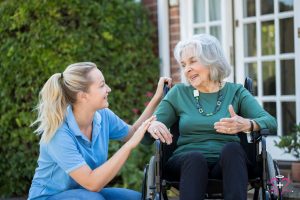
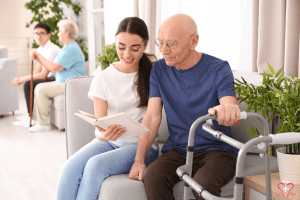
The In-Home Supportive Services (IHSS) program provides vital assistance to eligible seniors and individuals with disabilities, enabling them to live safely and independently in their homes. With the increasing demand for home-based care, IHSS remains a cornerstone in California’s commitment to aging in place and maintaining quality of life.
Why IHSS Matters More Than Ever in 2026
As advancements in healthcare and technology extend lifespans, more seniors prefer to remain in their homes rather than move to institutional care. IHSS offers the supportive services needed to make this possible, covering care tasks ranging from meal preparation to medical accompaniment. The program’s role is growing in importance as the senior population swells in 2026 and beyond.
Who Administers IHSS?
IHSS is primarily a California state program administered by county social services departments in partnership with the California Department of Social Services. Our team at All Seniors Foundation is dedicated to helping families understand the latest program changes and navigate the application process effectively.
2026 IHSS Eligibility Updates: Key Changes You Need to Know
Expanded Eligibility Criteria for Seniors and Disabled Adults
In 2026, IHSS has broadened its eligibility guidelines to include more seniors who are managing complex chronic conditions but were previously deemed ineligible due to rigid functional thresholds. Now, individuals demonstrating moderate assistance needs with activities of daily living (ADLs) or instrumental activities of daily living (IADLs) may qualify for IHSS benefits.
Income and Asset Limits Adjusted for 2026
Reflecting cost-of-living increases, income and asset ceilings for IHSS applicants have been raised. Seniors must stay current with these changes to avoid disqualification. For example, the monthly income limit for an individual applying for IHSS increased by approximately 5% this year, allowing more low-to-moderate income seniors to access services.
New Documentation Requirements
The IHSS application process now requires updated medical evidence to verify functional limitations. Healthcare providers are encouraged to submit detailed assessments that align with the state’s functional index. Electronic documentation submission has become standard practice, speeding up eligibility determinations.
How to Apply for IHSS in 2026: A Step-by-Step Guide
Step 1: Preparing Your Application
Gather essential documents including identification, proof of residency, income statements, medical records, and supporting healthcare assessments. Our experts at All Seniors Foundation recommend creating a checklist tailored to your county’s IHSS office requirements to streamline the application.
Step 2: Submitting the Application
Applications can now be submitted online in most California counties through secure portals, although in-person and mail options remain available. Using electronic submission ensures faster processing times and immediate confirmation of receipt.
Step 3: Participating in the IHSS Assessment Interview
After application submission, an IHSS social worker or assessor will schedule a home visit or virtual interview to evaluate your care needs. This assessment focuses on your ability to perform ADLs and IADLs and is critical in determining your hours of service.
What Are the 2026 IHSS Benefit Changes?
Increased Hourly Wage for IHSS Providers
One of the most significant 2026 updates is the increase in wages for IHSS care providers. The minimum wage for IHSS workers rose in response to inflation and labor market shifts, ensuring better support for caregivers and higher quality care for recipients.
Expanded Services Covered Under IHSS
IHSS now includes extended services such as remote health monitoring support, expanded respite care options, and increased allowances for transportation assistance related to medical appointments. These updates reflect a modern approach to in-home care needs.
Flexible Scheduling and Backup Care Options
Recognizing the complexities of caregiving in today’s environment, IHSS providers and recipients can now opt into flexible scheduling arrangements and access emergency backup care services, enhancing program responsiveness and reducing caregiver burnout.
Navigating Common Challenges in IHSS Application and Renewal
Understanding Delays and How to Avoid Them
Delays in IHSS eligibility determinations often stem from incomplete applications or missing documentation. Applicants are encouraged to double-check all submitted materials and promptly respond to any county office requests.
Appealing Denied Applications or Hour Determinations
If you disagree with an eligibility decision or assessment result, you have the right to appeal. Our team at All Seniors Foundation advises preparing detailed documentation and possibly requesting a hearing with an administrative law judge as part of the appeals process.
Renewal Process and Keeping Benefits Current
IHSS benefits must be renewed periodically, and the renewal process has been simplified with online portals that offer reminders and submission capabilities. Staying proactive about renewals prevents service interruptions.
Technological Innovations Impacting IHSS in 2026
Electronic Health Records Integration
IHSS now leverages integration with electronic health record (EHR) systems, allowing for more seamless verification of medical conditions and care needs, shortening approval timelines and ensuring accuracy.
Telehealth Support Services
Telehealth has become an adjunct service available through IHSS, providing recipients with virtual consultations and health monitoring tools that reduce the need for frequent in-person healthcare visits.
Caregiver Scheduling Apps and Improved Communication
New apps endorsed by county IHSS programs facilitate better scheduling, task tracking, and communication between recipients and providers, leading to increased satisfaction and effective use of IHSS hours.
Tips for Maximizing Your IHSS Benefits in 2026 and Beyond
Effective Communication With IHSS Caseworkers
Maintaining clear and regular communication with your IHSS social worker helps address concerns early and ensures that your care needs are accurately reflected.
Keeping Detailed Care Logs
Documenting the services provided and hours used can support requests for additional care hours or amendments to your care plan.
Exploring Complementary Community Resources
Pairing IHSS with community-based programs such as senior centers, meal delivery, and transportation services enriches the support network, promoting holistic well-being.
FAQ: Answering Your Top Questions About 2026 IHSS Eligibility and Application Changes
1. What are the new income limits for IHSS applicants in 2026?
The income limits have been raised by approximately 5% to reflect inflation, allowing more seniors with moderate incomes to qualify. Exact thresholds vary by household size and county.
2. Can I apply for IHSS if I have a moderate disability, not a severe one?
Yes. The 2026 updates expanded eligibility to include individuals requiring moderate assistance with ADLs or IADLs who were previously ineligible.
3. How long does it take to get approved after submitting an IHSS application?
With the new streamlined online processes, approvals often occur within 30 to 45 days, though times can vary by county and completeness of the application.
4. What if I disagree with my IHSS assessment results?
You can appeal the decision by requesting a hearing and submitting additional medical documentation to support your case.
5. Are IHSS providers now paid more in 2026?
Yes, provider wages have increased to meet minimum wage increases and improve caregiver retention and quality.
6. Is there a way to apply for IHSS if I cannot leave my home?
Yes, many counties offer virtual application options and home-based interviews to accommodate applicants with mobility challenges.
Key Takeaways
- Expanded eligibility: More seniors and disabled adults with moderate needs now qualify for IHSS in 2026.
- Income limits adjusted: Increased income and asset thresholds allow wider access to benefits.
- Application improvements: Electronic submissions and updated documentation requirements expedite the process.
- Benefit enhancements: Higher provider wages, expanded services, and flexible scheduling improve care quality and accessibility.
- Tech innovations: EHR integration, telehealth, and digital caregiver tools are transforming IHSS delivery.
- Support availability: Appeals, renewals, and community resource integration offer ongoing assistance for recipients and caregivers.
Our team at All Seniors Foundation is committed to providing seniors and their families with up-to-date information and guidance to navigate programs like IHSS. Staying informed about these 2026 changes can make the difference in accessing the supportive care needed to live well at home.