Understanding 2026 IHSS Eligibility Updates for Seniors
Introduction to IHSS and Its Importance for Seniors
In-home supportive services (IHSS) play a crucial role in helping seniors maintain their independence and age comfortably in their own homes. As the landscape of senior care evolves, the 2026 IHSS eligibility updates bring important changes that impact seniors, their families, and caregivers. Our team at All Seniors Foundation is dedicated to providing clear, up-to-date information to ensure you stay informed about these vital services.
What is IHSS?
IHSS is a California state program that provides paid caregivers to eligible elderly, blind, or disabled individuals. The goal is to allow seniors to remain in their homes and community settings rather than entering institutional care. IHSS services include personal care, domestic help, and protective supervision.
Why the 2026 Updates Matter
The IHSS program underwent significant eligibility revisions entering 2026 that streamline access, clarify income limits, and introduce modernized assessment tools reflecting the latest care standards. Understanding these changes empowers seniors and caregivers to navigate the system effectively, secure needed support, and advocate for comprehensive care options.
Key Changes in IHSS Eligibility for 2026
Revised Income and Asset Limits
The 2026 updates have adjusted the income and asset thresholds to better align with the current economic realities faced by seniors. These revisions allow a broader segment of the elderly population to qualify for IHSS, recognizing rising living costs and financial challenges.
- Income limits have increased by approximately 7%, adjusting to inflation and cost-of-living metrics.
- Asset limits for seniors remain stringent but now better reflect exemptions for certain types of retirement savings and primary residences.
Expanded Medical Criteria and Functional Assessment
The functional eligibility criteria have been enhanced with updated assessment tools that consider cognitive as well as physical limitations, a vital recognition for seniors with dementia or other neurological conditions. Evaluations now incorporate telehealth options for remote assessments, reducing barriers to timely evaluations.
Streamlined Application Process
In 2026, California introduced a more user-friendly IHSS application process, featuring enhanced online portals and multilingual support, making it easier for seniors and caregivers to apply and track their applications electronically. This step reduces delays and increases program transparency.
Who Qualifies for IHSS in 2026?
Age and Disability Requirements
Primarily, seniors aged 65 and older who require assistance with daily activities due to physical or cognitive limitations are eligible to apply. Blind or disabled adults under 65 may also qualify. The program’s focus remains on providing care to those who would otherwise need institutionalization.
Residency and Income Guidelines
Applicants must be California residents with income and assets within the updated limits specified for 2026. Our team at All Seniors Foundation encourages families to review specific financial eligibility criteria carefully to ensure compliance.
Care Needs Assessment
IHSS determines eligibility based on assessed need for personal care services—such as bathing, dressing, meal preparation, and medication management—or domestic services including cleaning and grocery shopping. Protective supervision eligibility criteria have expanded to cover conditions requiring constant monitoring to prevent injury or wandering.
How Caregivers Can Assist With the Updated IHSS Process
Understanding Caregiver Roles in IHSS
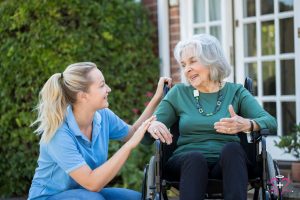
Caregivers, often family members or trusted acquaintances, provide the hands-on support IHSS funds. With 2026 changes, caregiver training and certification requirements have also evolved to improve the quality of care and ensure caregiver preparedness.
Training and Support Enhancements
The state now mandates enhanced orientation and ongoing education for IHSS providers, including modules on dementia care, safety protocols, and technology use in care delivery. Resources and support are available through local agencies and online platforms.
Documentation and Reporting
Caregivers should familiarize themselves with updated IHSS documentation standards, including care logs and time reporting, now supported via mobile apps for convenience and accuracy. Proper documentation ensures compliance and timely payment for services rendered.
Impact of IHSS Eligibility Changes on Aging in Place
Enabling Seniors to Stay Home Longer
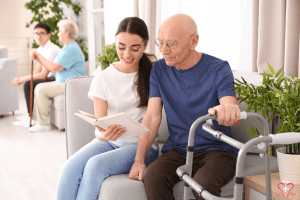
One of the program’s foundational goals is to promote aging in place, delaying or preventing the need for assisted living or nursing home placement. The expanded IHSS eligibility and service improvements in 2026 enhance seniors’ ability to live independently with dignity and safety.
Reducing Hospital Readmissions
Access to comprehensive in-home care services reduces the risk of falls, medication errors, and health complications that otherwise lead to hospitalizations. IHSS caregivers play a critical role in providing preventive care and monitoring, aligning with modern home health care models.
Supporting Family Caregivers
By offering paid caregiver support and respite care, IHSS helps alleviate burnout and stress common among family members, contributing to better overall health and wellness for both caregivers and seniors. Additional caregiver support programs tie into IHSS benefits to enhance quality of life.
Coordinating IHSS with Other Senior Care Services
Complementing Home Health Care and Hospice Care
IHSS services often work in tandem with professional home health care for seniors and hospice care. While IHSS focuses on non-medical supportive care, medical needs may require licensed nursing or palliative care coordination.
Integration with State and Community Resources
Seniors receiving IHSS can also benefit from programs like Meals on Wheels, adult day care, and transportation assistance. Our What We Provide section outlines vital supplemental services that complement IHSS eligibility and care plans.
Accessing Help With IHSS Challenges
For families struggling with IHSS application complexities or appeals, specialized support services are available. Exploring help with IHSS can provide advocacy and guidance throughout the process.
Planning for IHSS Eligibility: Best Practices for Families and Seniors
Early Assessment and Application
Given increasing demand and administrative updates, the 2026 guidance recommends initiating IHSS applications well before care needs become urgent. Early assessment allows for smoother transitions and uninterrupted services.
Documentation and Medical Evaluation Preparation
Gathering thorough medical documentation and completing functional assessments with healthcare providers familiar with IHSS criteria can improve chances of approval and appropriate care planning. Coordination with primary care physicians and specialists is essential.
Leveraging Local and Online IHSS Resources
California counties and advocacy organizations provide valuable workshops, FAQs, and technological assistance for applicants and caregivers. Utilizing these tools can reduce application errors and speed up response times.
How the All Seniors Foundation Supports IHSS Recipients and Caregivers
Comprehensive Resource Hub and Guidance
Our team at All Seniors Foundation offers updated, detailed information on IHSS eligibility and ongoing changes so families can navigate care options confidently and access support services tailored to senior needs.
Connecting You to Quality In-Home Care Services
We facilitate access to trusted free in-home care for seniors in Los Angeles and related programs that align with IHSS, providing comprehensive support to aging adults and their caregivers.
Support Beyond IHSS: Exploring Our Services
Through our extensive Our Services offerings, including home health care for seniors and hospice care, we help families coordinate multi-faceted care plans addressing both medical and supportive needs.
Frequently Asked Questions About 2026 IHSS Eligibility
1. What are the new income limits for IHSS eligibility in 2026?
The income limits were increased by approximately 7% in 2026 to adjust for inflation and rising living expenses. Exact figures vary by household size and county, so consulting local IHSS offices or All Seniors Foundation resources is recommended.
2. Can caregivers related to the senior still be paid under the new IHSS rules?
Yes. Family members, including spouses, adult children, and other relatives, remain eligible to be paid IHSS providers, provided they meet training and certification requirements established in 2026.
3. How has the IHSS application process improved in 2026?
The process now includes a more robust online application portal, multilingual support, telephonic and video assessments, and dedicated caseworker assistance to help seniors and caregivers apply more easily and track their progress.
4. Are cognitive impairments like dementia now included in IHSS eligibility assessments?
Yes. The 2026 eligibility updates incorporate assessments of cognitive conditions, ensuring seniors with dementia or similar impairments can access protective supervision and personal care services as needed.
5. What support is available for caregivers who find the IHSS paperwork overwhelming?
Many counties offer IHSS help centers and caregiver support programs. Additionally, All Seniors Foundation’s assistance with IHSS provides supplemental guidance to navigate paperwork and requirements.
6. How do IHSS services coordinate with hospice or home health care?
IHSS covers non-medical supportive services, while hospice and home health care address medical and palliative needs. Coordination between these programs through care plans ensures comprehensive support for seniors living at home.
Key Takeaways
- The 2026 IHSS eligibility updates expand income limits, enhance assessment methods, and simplify application procedures, increasing access to in-home supportive services for seniors.
- Caregivers play an integral role and must stay informed about new training and reporting requirements introduced in 2026.
- IHSS continues to be a cornerstone for aging in place, reducing hospital readmissions and supporting family caregivers through paid services and respite.
- Integration with other senior services, including home health care for seniors and hospice care, provides holistic care solutions.
- All Seniors Foundation stays committed to providing updated information, resources, and connections to high-quality care services like free in-home care for seniors in Los Angeles to help families through the evolving IHSS landscape.