Saving Limbs: Advanced Wound Care Preventing Diabetic Amputations
Every 20 seconds, someone loses a limb to diabetes – yet 85% of amputations are preventable with proper wound care. Early, aggressive treatment of diabetic foot wounds using advanced techniques can save limbs that would have been amputated just years ago. Understanding modern wound care options and acting quickly at first signs of trouble literally saves legs and lives.
Early Detection Systems
Daily foot inspections using mirrors to see soles catch problems before they become serious. Look for redness, swelling, warmth, or any skin breaks. Temperature differences between feet indicate problems. Document findings with photos tracking changes over time.
Podiatric examinations every 2-3 months for high-risk feet identify problems invisible to untrained eyes. Callus formation often overlies developing ulcers. Professional debridement prevents progression. Medicare covers routine podiatry for diabetics.
Thermal imaging detects inflammation before visible changes. Temperature monitoring identifies ‘hot spots’ indicating pre-ulcerative changes. Home devices allow daily monitoring. Catching problems at this stage prevents most ulcers entirely.
Immediate Wound Response
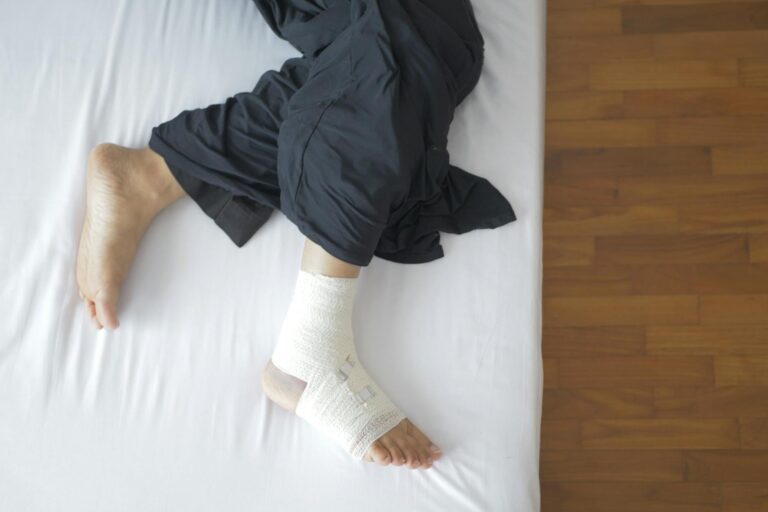
Any wound, regardless how minor, demands immediate professional attention. What looks insignificant can rapidly deteriorate. Waiting ‘to see if it heals’ often results in deep infections requiring amputation. Same-day evaluation should be the rule.
Offloading pressure immediately is crucial. Continuing to walk on wounds drives bacteria deeper and prevents healing. Total contact casts, removable cast walkers, or wheelchairs eliminate pressure. Compliance with offloading determines success more than any other factor.
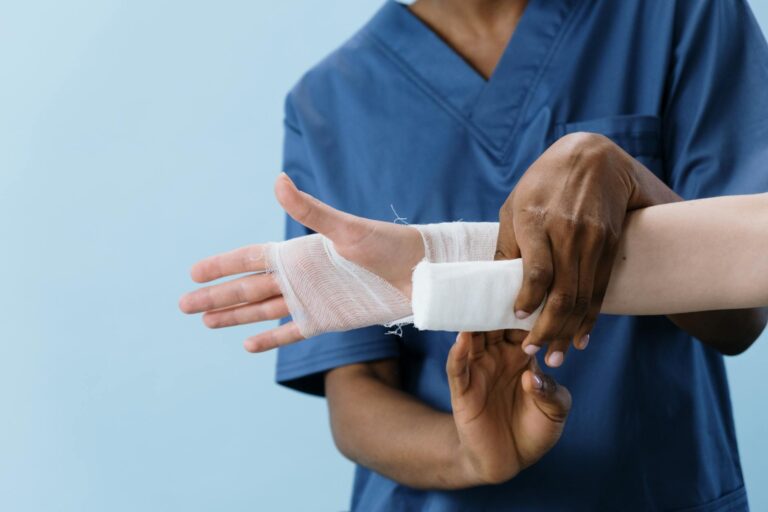
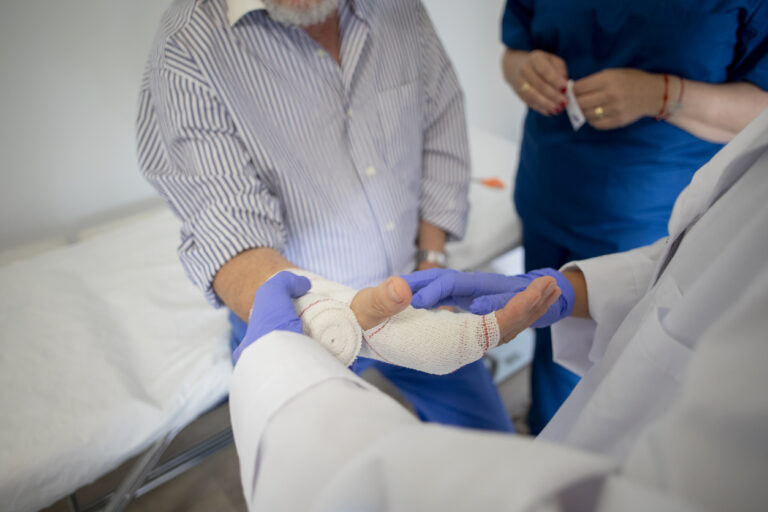
Professional debridement removes dead tissue harboring bacteria. Sharp debridement by trained professionals stimulates healing responses. This seems counterintuitive – making wounds larger to heal them – but it’s essential for diabetic wounds.
Advanced Wound Therapies
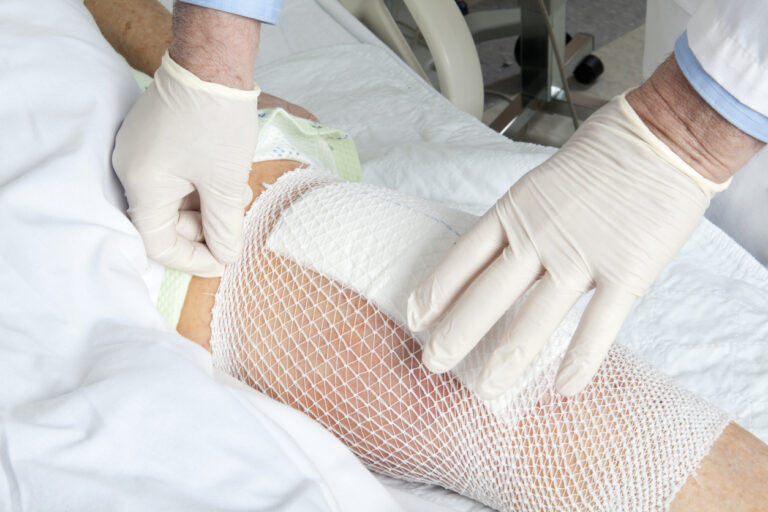
Negative pressure wound therapy accelerates healing by 40%. Vacuum dressings remove fluid, increase blood flow, and promote granulation tissue. Portable units allow mobility during treatment. Medicare covers NPWT for appropriate wounds.
Bioengineered skin substitutes provide immediate wound coverage. Products like Apligraf or Dermagraft contain living cells promoting healing. Though costing thousands per application, preventing amputation justifies expense. Medicare covers for diabetic ulcers meeting criteria.
Growth factor therapy using becaplermin (Regranex) stimulates cellular proliferation. Applied daily, this genetically engineered platelet-derived growth factor speeds healing. Strict protocols maximize effectiveness. Coverage requires documented failure of standard care.
Infection Management
Aggressive antibiotic therapy for any infection signs prevents spread to bone. Oral antibiotics for mild infections, IV antibiotics for moderate to severe. Hospitalization might be necessary for intensive treatment. Delaying treatment allows infections to establish.
Osteomyelitis (bone infection) requires prolonged antibiotics, sometimes surgical debridement. MRI or bone scans detect early bone involvement. Six weeks or more of antibiotics might be needed. Some cases require partial amputations to save the limb.
Biofilm disruption improves antibiotic effectiveness. Bacterial colonies in biofilms resist standard treatment. Specialized dressings, ultrasonic debridement, or antimicrobial solutions disrupt these protective structures. Advanced wound centers understand biofilm management.
Vascular Intervention
Arterial evaluation determines if blood flow supports healing. Ankle-brachial index, arterial Doppler, or angiography assess circulation. Poor circulation dooms wound healing regardless of wound care quality. Vascular intervention might be prerequisite for healing.
Angioplasty or bypass surgery restores blood flow. Opening blocked arteries or creating new pathways enables healing. These procedures should precede amputation discussions. Many unsalvageable limbs heal after revascularization.
Hyperbaric oxygen therapy delivers oxygen under pressure to oxygen-starved tissues. Daily treatments for 20-40 sessions improve healing in selected cases. Medicare covers HBO for Wagner grade 3+ diabetic wounds. Commitment to daily treatments is essential.
Biomechanical Corrections
Custom orthotics redistribute pressure away from vulnerable areas. Accommodative inserts protect while functional orthotics correct deformities. Medicare covers diabetic shoes and inserts annually. Proper footwear prevents recurrence.
Surgical correction of deformities might be necessary. Hammer toes, bunions, or Charcot foot create pressure points causing ulcers. Prophylactic surgery in stable patients prevents wounds. Risk-benefit analysis guides decisions.
Achilles lengthening reduces forefoot pressure. Tight Achilles tendons increase plantar pressures causing ulcers. Surgical lengthening redistributes pressure. This outpatient procedure dramatically reduces recurrence.
Multidisciplinary Team Approach
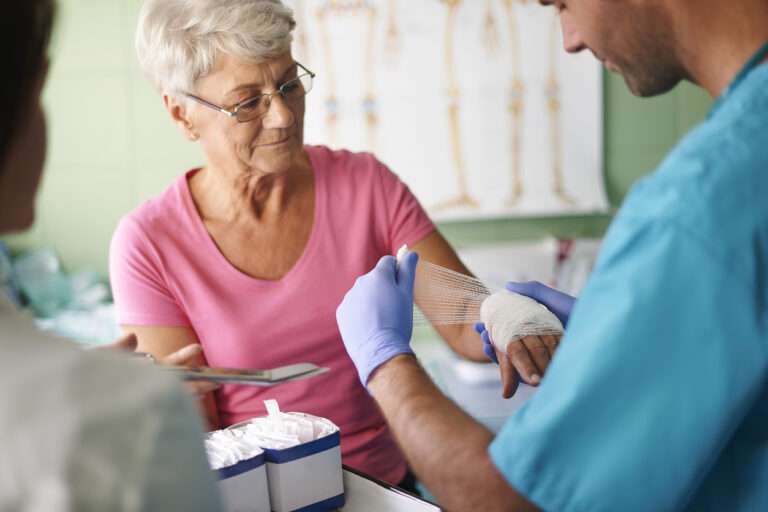
Wound care centers specializing in limb salvage coordinate complex care. Podiatrists, vascular surgeons, infectious disease specialists, and wound nurses collaborate. Team approaches save more limbs than fragmented care.
Endocrinologists optimize glucose control essential for healing. A1C levels above 8% significantly impair healing. Intensive glucose management during wound treatment improves outcomes. Temporary insulin might be necessary.
Nutritionists address protein and micronutrient needs. Healing requires 1.5-2g protein/kg body weight. Vitamin C, zinc, and arginine support wound healing. Malnutrition prevents healing regardless of wound care quality.
Next Step
If you have diabetes, inspect your feet right now. Any redness, wounds, or concerning changes require same-day medical attention. Establish care with a podiatrist for preventive maintenance. Know where your nearest wound care center is located. Keep emergency supplies including appropriate shoes and offloading devices. Time is tissue with diabetic wounds – rapid response saves limbs. Don’t become a statistic when prevention and treatment can save your legs.