Mobility and Daily Living Aids
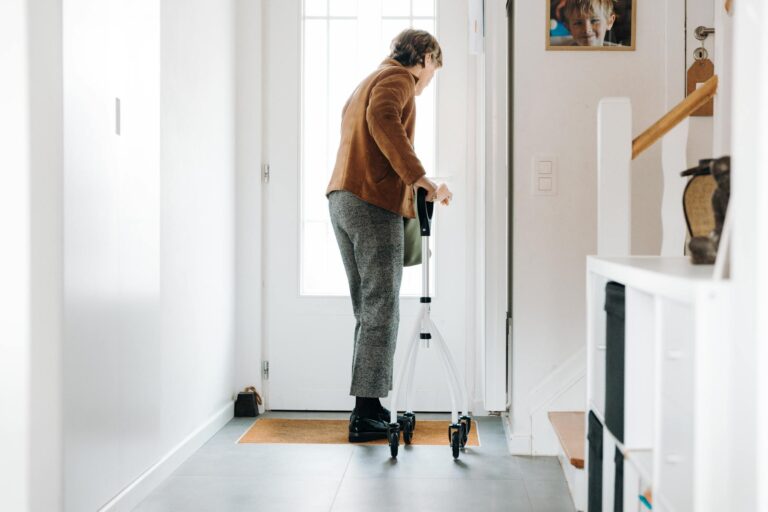
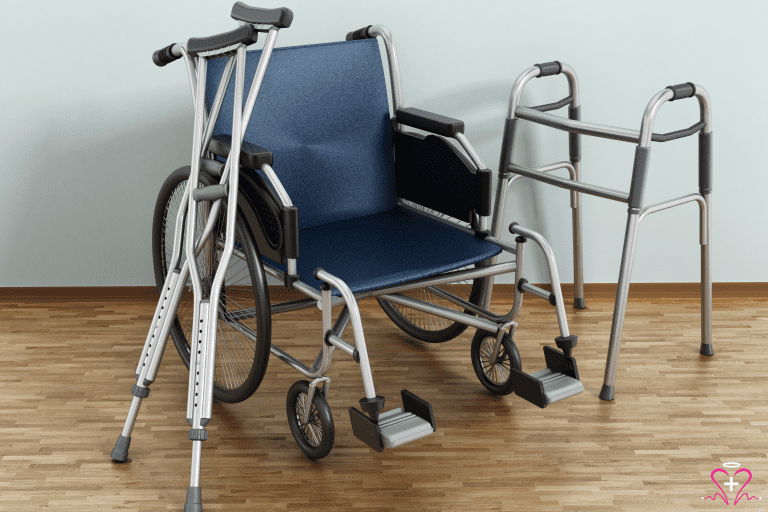
Seniors seeking free medical supplies commonly prioritize mobility devices like canes, walkers, and wheelchairs. These items help maintain balance and reduce fall risk, especially for those recovering from hip replacements or dealing with chronic pain. Some programs also offer rollators—walkers equipped with seats—which let users pause and rest during longer walks. In certain loan closets or donation centers, you might even find power scooters or specialized wheelchairs designed for narrower doorways or tight living spaces. Such high-value equipment is often donated by families who no longer need it, allowing others to benefit at zero cost.
Daily living aids form another significant category. Shower chairs, raised toilet seats, and grab bars support safe bathroom routines, while reach extenders and dressing sticks simplify tasks like picking items off the floor or buttoning shirts. These products ensure that older adults can continue managing personal care tasks without overexertion. Some centers and nonprofits further provide bed rails, mattress overlays, or portable ramps that assist individuals with reduced mobility in navigating bedroom or outdoor transitions. By focusing on these core daily living supplies, seniors can significantly ease the burden of routine chores and lower the likelihood of injury.
Medical and Consumable Supplies
While mobility aids get ample attention, many seniors also require consumable medical goods—like incontinence briefs, wound dressings, or diabetic testing materials. Various charitable groups and government-run entities distribute these expendable products, especially to those on limited incomes. For example, an older adult on Medicaid might qualify for a monthly supply of incontinence pads or catheters at no charge, provided they meet specific medical criteria. Oxygen concentrators, nebulizers, and CPAP devices may also be available through certain assistance programs, giving respiratory patients the opportunity to manage their conditions at home without huge out-of-pocket expenses.
- Blood Pressure Monitors: Essential for seniors needing frequent checks, sometimes offered in donation drives or by local health centers.
- Glucose Testing Kits: Diabetics may find free glucometers and test strips from clinics or nonprofit organizations.
- Speech and Hearing Devices: Items like hearing amplifiers or specialized phones may appear in certain community donation banks.
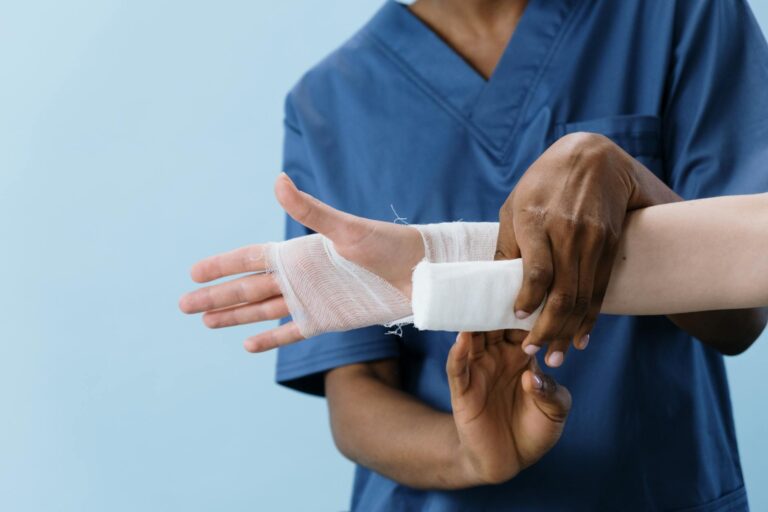
- First Aid Supplies: Basic wound care kits, gauze, and bandages are often included in local assistance packages.
- Exercise Equipment: Light resistance bands or hand grips supporting rehab or general fitness, though availability varies.
Overall, these free resources encompass a broad spectrum—covering both durable items meant for extended use and disposable goods addressing short-term demands. With diligent searching, seniors can often amass a customized set of free medical supplies for seniors that match their unique health profile, from mobility support to essential consumables. By leveraging local charities, online postings, and healthcare referrals, it’s possible to build a reliable inventory of materials that foster independence, security, and quality of life.
About All Seniors Foundation
All Seniors Foundation is a 501(c)(3) non-profit organization dedicated to providing free, comprehensive senior care services to qualifying older adults across Los Angeles County. we coordinate with licensed clinicians, social workers, attorneys, and community partners to deliver wraparound support — all at no cost regardless of insurance status, income, or immigration status.
Free Senior Care Resources Across LA County
Whether you’re seeking answers about types supplies typically available, looking for in-home support, navigating Medicare or Medi-Cal benefits, planning for hospice care, or accessing durable medical equipment, All Seniors Foundation has a free program to help. Our team of bilingual care coordinators speaks Spanish, Korean, Armenian, Mandarin, Cantonese, Tagalog, Russian, Vietnamese, Farsi, Hebrew, Japanese, and English.
How to Get Help
Contact All Seniors Foundation today for free assistance with types supplies typically available or any senior care question. Submit the form on this page, call our office, or email [email protected]. Our intake team responds within 1-3 business days, and there is no obligation or commitment required. we are here to help LA County seniors and their families.
More LA Senior Resources
Explore our other free programs: all free senior services, senior care articles, areas we serve in LA, and contact our team.