Your Medicare Equipment Guide: What’s Covered for Home Health Needs
Medicare Part B covers durable medical equipment (DME) when prescribed by your doctor for home use, but navigating what’s covered, how much you’ll pay, and where to get equipment can be confusing. Understanding coverage rules helps you access necessary equipment without unexpected costs.
Understanding Durable Medical Equipment
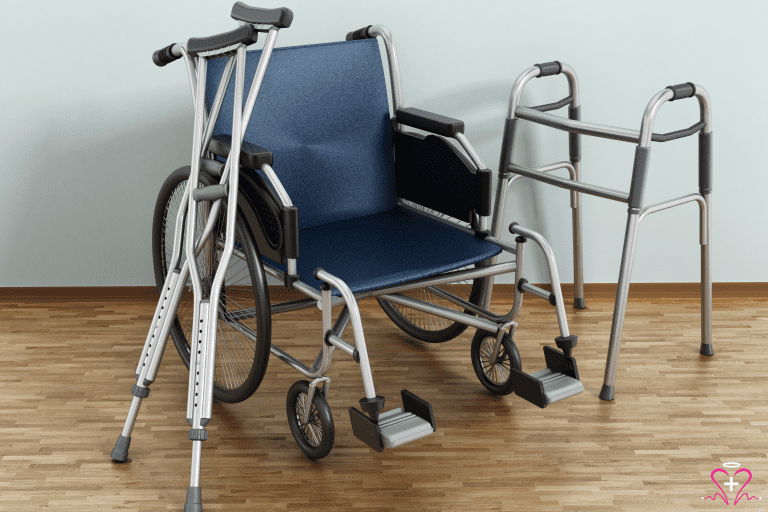
Medicare defines DME as equipment that serves a medical purpose, can withstand repeated use, has an expected life of at least three years, and is appropriate for home use. This includes wheelchairs, walkers, hospital beds, oxygen equipment, and nebulizers. Items must be prescribed by your Medicare-enrolled doctor who documents medical necessity.
Medicare uses a competitive bidding program in many areas, affecting which suppliers you can use and how much equipment costs. In competitive bidding areas, you must use contract suppliers for covered items, or Medicare won’t pay. Check Medicare.gov for approved suppliers in your area.
Commonly Covered Equipment
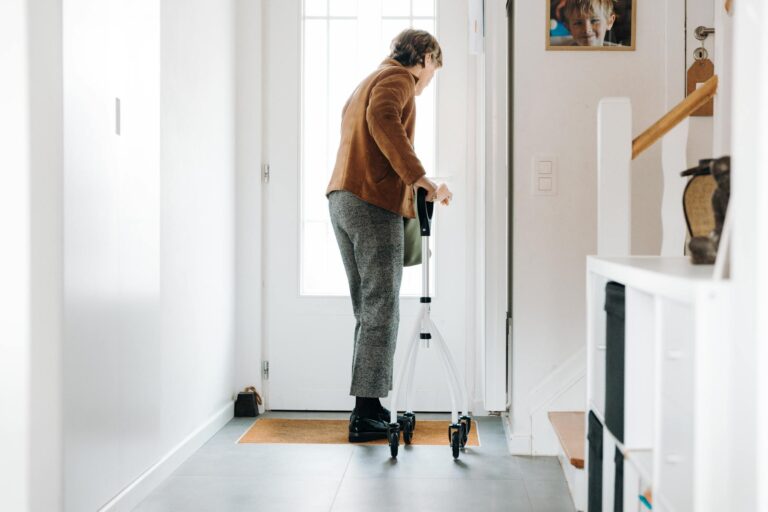
Mobility equipment including manual wheelchairs, walkers, and canes are covered when medically necessary. Power wheelchairs and scooters require prior authorization and face-to-face examinations documenting inability to perform daily activities without them. Medicare covers 80% of approved amounts after you meet your Part B deductible.
Hospital beds are covered when medical necessity is documented, such as needing special positioning for breathing or requiring safety rails due to cognitive impairment. Adjustable beds for comfort alone aren’t covered. Pressure-reducing mattresses and support surfaces are covered for treating or preventing pressure sores.
Oxygen equipment is covered when blood oxygen levels fall below specific thresholds. Medicare pays monthly rental fees for 36 months, after which suppliers must continue providing equipment for an additional 24 months at no charge. Portable oxygen concentrators are covered for qualifying beneficiaries who need oxygen while traveling.
Equipment Medicare Doesn’t Cover
Medicare doesn’t cover equipment considered convenience items or those primarily serving non-medical purposes. This includes grab bars, raised toilet seats, and most bathroom equipment. Hearing aids, eyeglasses (except after cataract surgery), and dental equipment aren’t covered.
Items that could be useful in non-medical contexts, like lift chairs, face coverage restrictions. Medicare covers only the lifting mechanism portion, not the chair itself. Air conditioners, humidifiers, and exercise equipment aren’t covered even if recommended by doctors.
Rental vs. Purchase Decisions
Medicare determines whether equipment is rented or purchased based on item type and expected duration of need. Inexpensive or routinely purchased items like canes and walkers are always purchased. Expensive items like wheelchairs start as rentals.
After 13 months of rental, you own most equipment. However, oxygen and certain other equipment remain rentals indefinitely. Understanding these distinctions helps you plan financially and avoid surprises when rental periods end.
Getting Equipment Approved
Start with your doctor’s prescription clearly stating medical necessity and expected duration of need. Choose Medicare-approved suppliers who accept assignment to avoid excess charges. Suppliers handle prior authorization for items requiring it, but stay involved to prevent delays.
Keep detailed documentation including prescriptions, medical records supporting need, and all correspondence with suppliers. This documentation proves invaluable if claims are denied or during appeals. Many initial denials are overturned with proper documentation.
Maximizing Coverage and Minimizing Costs
Compare prices among approved suppliers, as costs can vary even with Medicare coverage. Ask about additional features or upgrades and their costs. Basic models are usually fully covered, while deluxe features require out-of-pocket payment.
Consider Medicare Advantage plans if you need extensive equipment. Some offer additional DME benefits or lower copayments. However, they might restrict supplier choices more than Original Medicare.
Next Step
Create a list of equipment you need with your doctor. Research Medicare-approved suppliers in your area and compare their services and prices. Understanding coverage before you need equipment prevents delays in receiving necessary items and unexpected bills.