What Is Wound Care for Seniors?
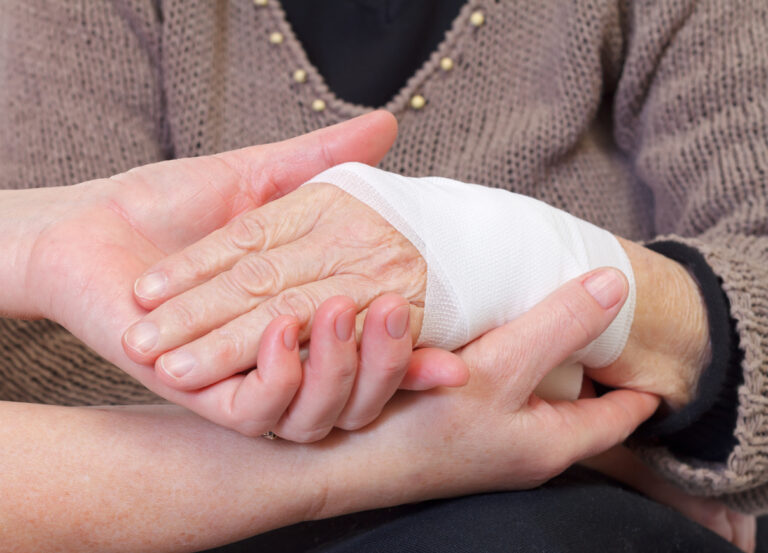
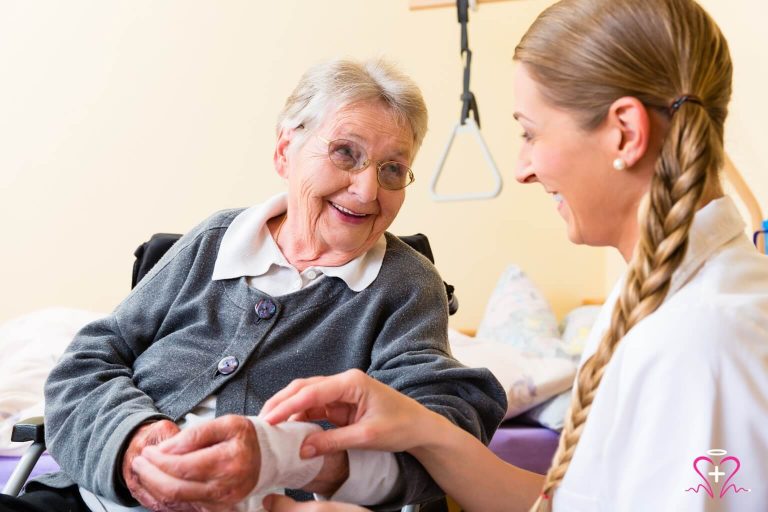
Wound care is essential for seniors whose skin heals more slowly and who face higher risk of wound complications. Understanding wound care helps seniors and families manage injuries and chronic wounds effectively.
Why Wound Care Matters for Seniors
Aging skin is thinner, less elastic, and slower to heal. Minor injuries that would heal quickly in younger people may become serious wounds in seniors. Proper care prevents complications and promotes healing.
Chronic conditions common in seniors impair wound healing. Diabetes affects circulation and immune function. Vascular disease reduces blood flow to wounds. These conditions make proper wound care even more critical.
Wounds in seniors can rapidly become serious. Infections develop more easily and spread more quickly. Pressure ulcers can develop in hours. Delayed healing allows complications to develop. Vigilant wound care prevents these problems.
Types of Wounds
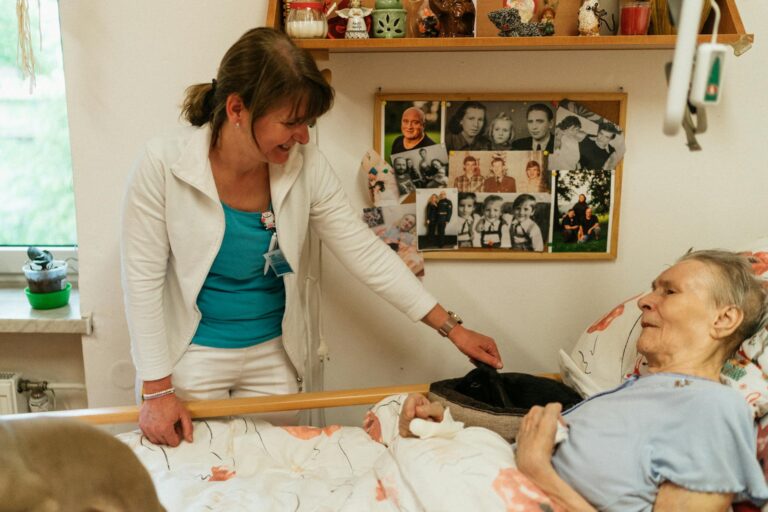
Pressure ulcers, also called bedsores, develop when pressure cuts off blood supply to skin. They commonly occur over bony areas in people who cannot change position independently. Prevention through repositioning is essential.
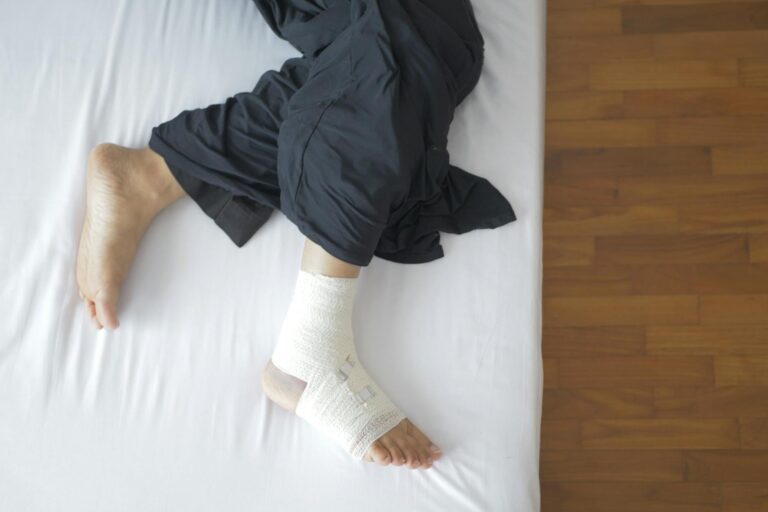
Diabetic foot wounds result from neuropathy that prevents feeling injuries and vascular disease that impairs healing. These wounds can lead to amputation if not properly treated. Diabetics need meticulous foot care.
Venous leg ulcers develop from chronic venous insufficiency. Poor circulation in leg veins causes skin breakdown, typically near the ankles. Compression therapy is essential for healing.
Skin tears occur when fragile skin separates from minor trauma. Seniors with thin skin are particularly vulnerable. Proper dressing and skin protection prevent tears.
Surgical wounds require appropriate care during healing. Following post-operative instructions prevents infection and promotes proper healing.
Professional Wound Care
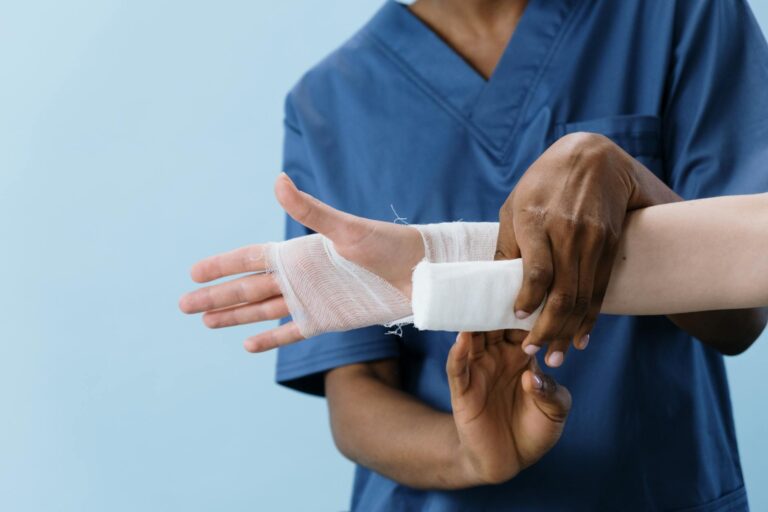
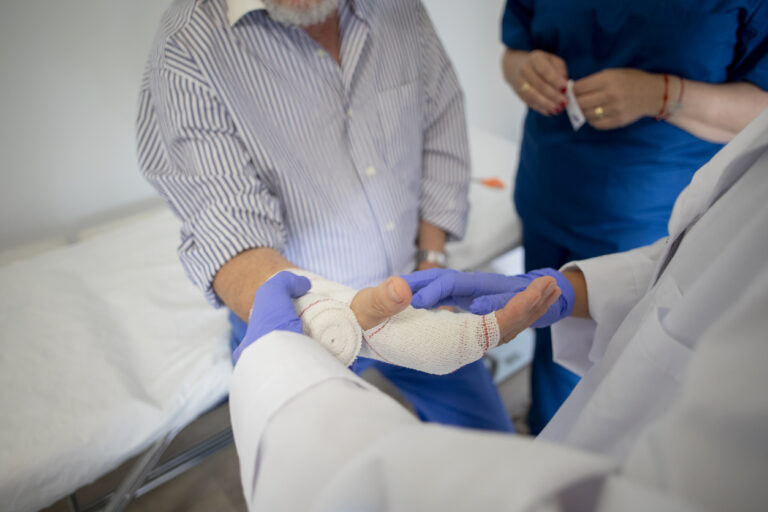
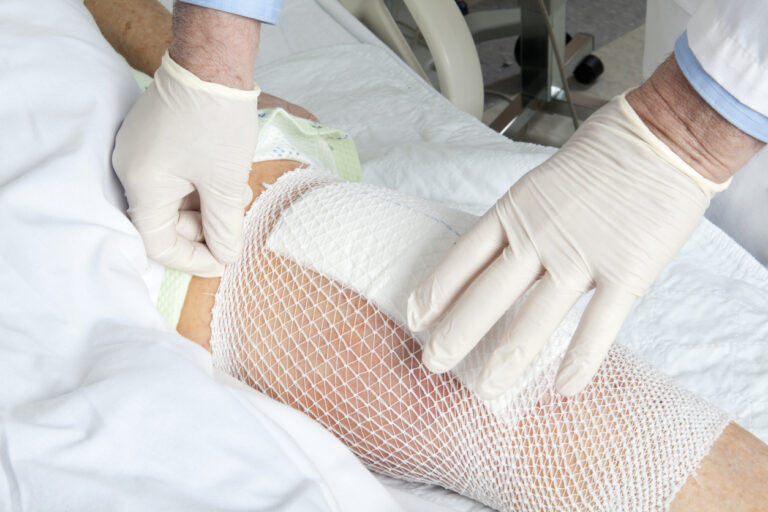
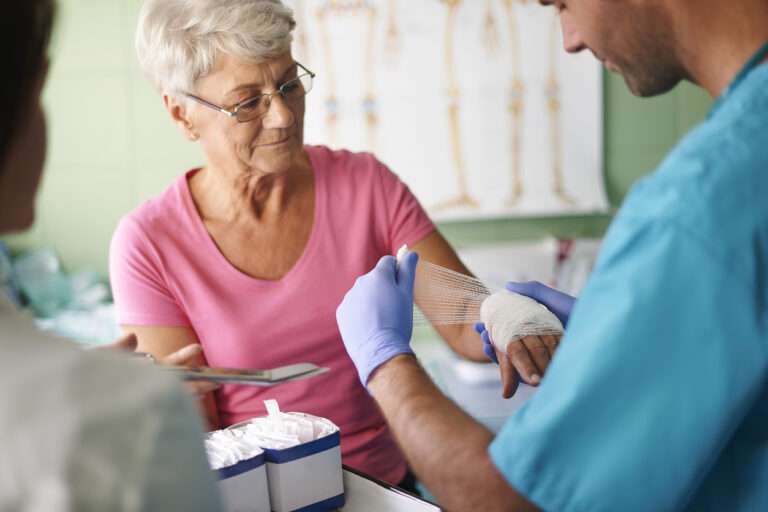
Complex wounds require professional management. Wound care nurses assess wounds, select appropriate dressings, and monitor healing. They identify complications early and adjust treatment as needed.
Wound assessment determines wound type, size, depth, and healing stage. Assessment guides treatment selection. Regular reassessment tracks progress and identifies problems.
Dressing selection depends on wound characteristics. Different dressings maintain moisture, absorb drainage, fight infection, or protect healing tissue. Proper dressing selection optimizes healing.
Debridement removes dead tissue that impairs healing. Various methods exist from sharp debridement to enzymatic agents. Removing non-viable tissue allows healthy tissue to regenerate.
When to Seek Wound Care
Seek professional wound care for wounds not healing after two weeks, signs of infection including redness, warmth, swelling, or discharge, deep wounds, and wounds in diabetics or those with circulation problems.
Getting Wound Care Services
All Seniors Foundation provides professional wound care in your home. Our wound care nurses manage complex wounds and promote healing. Contact us for wound assessment and treatment.