Medicare Coverage for Incontinence Products: What’s Covered and What’s Not
Understanding Medicare’s limited coverage for incontinence supplies helps seniors plan for this common healthcare need. While Original Medicare rarely covers adult diapers, several alternatives and exceptions exist.
Original Medicare Coverage Reality
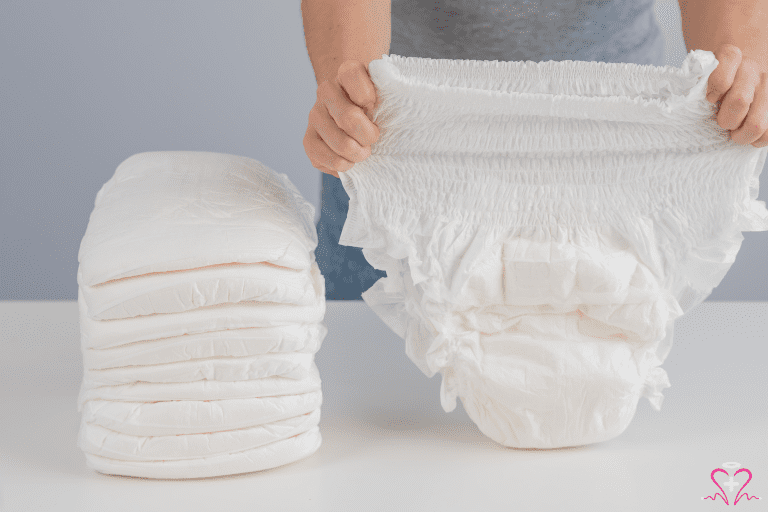
- Generally Not Covered: Adult diapers, pads, and liners excluded
- Considered: Personal comfort items, not medical equipment
- Part B Exclusion: Not deemed medically necessary DME
- Out-of-Pocket: Most beneficiaries pay full cost
- Average Cost: $50-150 monthly without coverage
Medicare Coverage Exceptions
- Post-Surgical: Temporary coverage after certain procedures
- Skin Conditions: When preventing or treating wounds
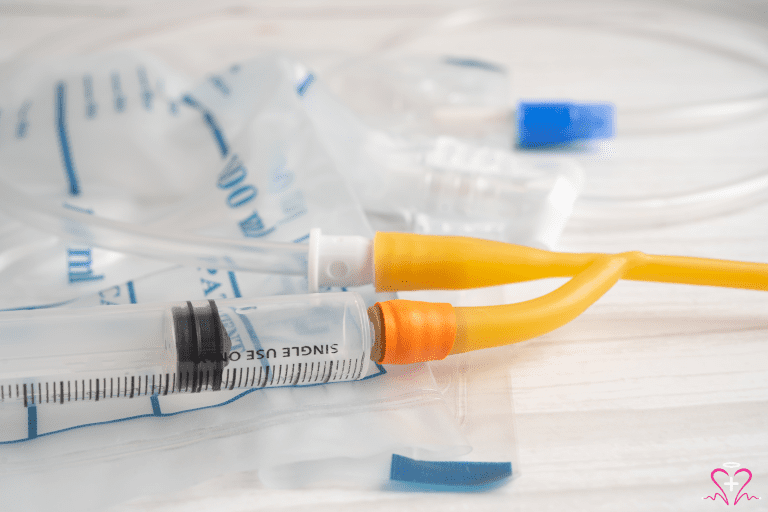
- Catheters: External and indwelling catheters covered
- Catheter Supplies: Bags, insertion kits, irrigation supplies
- Specific Diagnoses: Some neurological conditions qualify
Medicare Advantage Plans
- Some MA plans include incontinence supplies
- Over-the-counter (OTC) benefit cards may cover products
- Typical allowance: $50-150 quarterly for OTC items
- Check plan’s formulary for covered brands
- May require preferred suppliers
- Prior authorization sometimes needed
How to Check Your Coverage
- Call your plan’s member services
- Review Evidence of Coverage document
- Ask about OTC benefit allowances
- Check for supplemental benefits
- Verify supplier network requirements
- Understand quantity limits
Covered Alternatives Under Medicare
- Commode Chairs: Covered as DME when prescribed
- Urinals: Male and female versions covered
- Bedside Drainage Bags: For catheter users
- Waterproof Mattress Covers: Sometimes covered
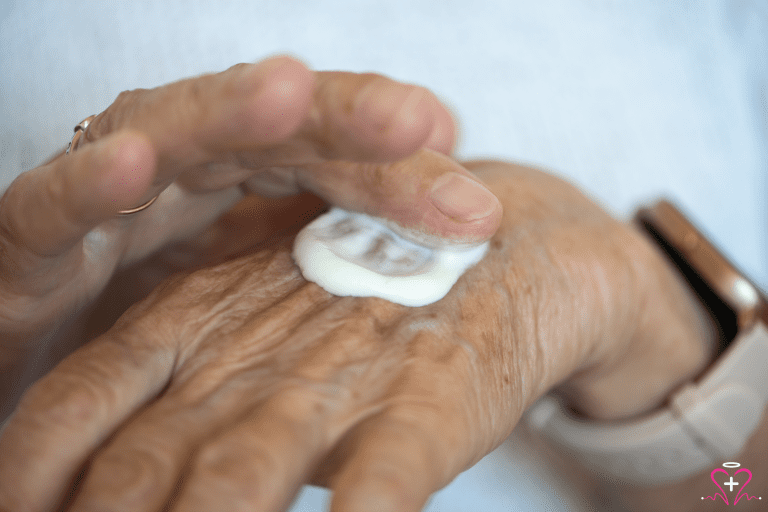
- Skin Barrier Creams: With prescription for medical need
Appealing Medicare Denials
- Get detailed prescription from doctor
- Document medical necessity thoroughly
- Show how incontinence relates to covered condition
- Include cost of complications without supplies
- Consider expedited appeal if urgent
Cost-Saving Alternatives
- Medicaid for dual-eligible beneficiaries
- State pharmaceutical assistance programs
- Manufacturer patient assistance programs
- VA benefits for veterans
- Flexible Spending Accounts (FSA) or HSA funds
Working Around Limited Coverage
- Buy in bulk for discounts
- Use subscription services for savings
- Combine with other insurance if available
- Seek samples from doctors or suppliers
Expert Tip:
- During Medicare Advantage open enrollment, specifically ask about incontinence coverage—plans with this benefit can save you $1,000+ annually.
Next Step
Explore coverage options and alternatives at our incontinence supplies guide.