
Type 2 diabetes research questions for older adults: verify the study, medication instructions, monitoring, eligibility, consent and costs before enrollment.
Potential Compensation
Study Duration
Location to Verify
Type 2 diabetes research studies may evaluate monitoring methods, care approaches or investigational treatments. If you are considering research, use these questions to discuss a specific study with its official team and your own diabetes clinician.
This page is an educational screening guide, not a promise of enrollment or medical advice. Study availability, eligibility requirements, visit schedules, compensation, and procedures must be confirmed by the research team during formal screening and informed consent.
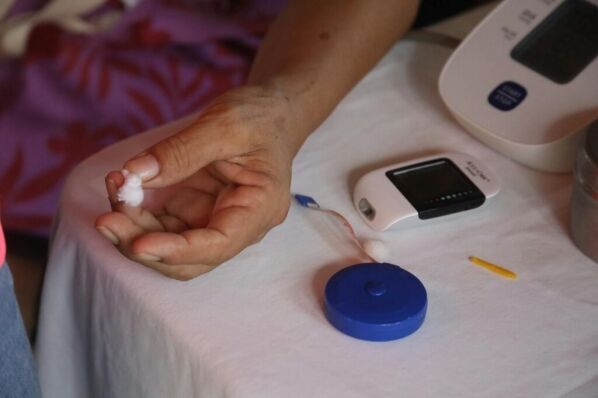
A coordinator may ask about your diagnosis, current medications, A1C history, blood sugar monitoring, other medical conditions, and whether you can attend the required study visits. Some studies include lab work, vital signs, medication review, electrocardiogram testing, continuous glucose monitoring, or questionnaires about daily diabetes management.
Before joining any study, you should receive clear information about the purpose of the research, possible risks, possible benefits, privacy practices, visit expectations, and whether study-related care or compensation is available.
Contact All Seniors Foundation about senior-support resources and questions to prepare. Confirm what assistance is currently available. Prepare your medication list and recent A1C or glucose information for a verified study team, and involve your own diabetes clinician before deciding whether to participate.
Before asking about Type 2 diabetes clinical trial screening, it helps to write down your current diabetes medications, recent A1C results if you have them, how often you check blood sugar, and whether you use insulin, pills, or a continuous glucose monitor. You can also note recent low blood sugar episodes, hospital visits, kidney or heart conditions, and any transportation limits that could affect study visits.
Bringing this information to the first conversation helps the coordinator explain which questions matter most and whether a formal screening appointment may be appropriate. It also helps you compare the time commitment with your regular doctor visits, pharmacy schedule, family support, and daily routine.
If the study sounds like a possible fit, ask for the next step in writing, including visit location, approximate visit length, required testing, contact information, and whether your personal clinician should review anything before you continue. If the study is not a fit, you can still ask whether there are other diabetes research opportunities or community resources that may better match your needs.
Ask for the full study name, sponsor, investigator, research-site contact and registry identifier, such as an NCT number on ClinicalTrials.gov. Check when the record was updated and confirm that the location is currently enrolling before sending medical records or arranging travel. A listing on ClinicalTrials.gov is not government approval of a study’s safety or scientific quality.
Ask which review board oversees the study, who provides care if a research-related injury occurs, and which expenses you or your insurer may have to pay. Request any payment amount, schedule, travel reimbursement and withdrawal terms in writing. Payment does not establish a medical benefit or make a study appropriate for you.
For general research education, review the ClinicalTrials.gov guide to clinical studies and the NIH Clinical Research Trials and You resource. These explain informed consent, possible risks and benefits, and questions to ask before joining a study.
Call All Seniors Foundation or use the information inquiry form for senior-support resource questions. For study eligibility and enrollment, contact the verified research team. Do not stop or change diabetes medicines to meet a study criterion; your diabetes clinician and the research team should agree on any medication instructions.
After identifying a specific study, ask its official team about purpose, risks, visits, consent and whether participation fits your situation.
Some studies may provide compensation for completed study visits, travel, or time, depending on the protocol and eligibility.
Ask who oversees the study, who provides medical care and how research-related problems or injuries are handled.
Volunteers help researchers answer important health questions that may improve care options in the future.
Ask the verified study team to explain screening requirements before deciding whether to continue.
You can ask questions about visits, risks, possible benefits, privacy, and what participation would involve.
Participation is voluntary, and the research team should explain consent, withdrawal, and next steps before enrollment.
These points are only a starting guide. Final eligibility, availability, and enrollment decisions are confirmed by the study team.
Study openings, screening windows, and eligibility requirements can change.
An information inquiry is not enrollment. Study participation is voluntary.
Get answers to common questions before deciding whether to ask about formal screening
The screening team may review your diagnosis, medications, A1C history, medical conditions, and ability to attend study visits. Formal eligibility is confirmed only after the research team reviews the study criteria.
Do not stop or change diabetes medication to meet a study criterion. Ask your own diabetes clinician and the research team to agree on any medication changes, monitoring and instructions before participation.
Depending on the protocol, screening may include blood tests, vital signs, medication review, glucose monitoring, EKG testing, and diabetes questionnaires. The study team should explain which tests apply before enrollment.
Some studies test investigational treatments, while others compare approved approaches or monitoring methods. Ask the research team whether the study treatment is investigational and what alternatives are available.
Clinical research participation is voluntary. The consent materials should explain how withdrawal works and who to contact if you decide not to continue.
Clinical research should be reviewed, explained clearly, and built around informed consent, privacy, and participant choice.
Drug and device studies may follow applicable FDA and research oversight requirements.
Institutional review boards help evaluate participant protections and informed consent materials.
The study team should explain how personal and health information is collected, used, and protected.
You can ask questions, review consent materials, and decide whether participation is right for you.
Contact All Seniors Foundation about senior-support resources. Confirm a specific study, its official team and recruitment status before requesting enrollment.
(818) 581-4101
Ask about current call hours
16101 Ventura Blvd Suite 333
Encino, CA 91436
Only your name, phone number, and consent are required. Email and other details are optional.
Clinical trial education for older adults
This page is an educational starting point for understanding Type 2 Diabetes Clinical Trial. Trial availability, eligibility, risks, benefits, costs, and participation requirements must be confirmed with the responsible study team and licensed healthcare professionals.
It introduces practical questions older adults and families may want to discuss with a study team, including eligibility, possible risks and benefits, visit requirements, transportation, costs, and follow-up.
No. It does not promise enrollment or medical benefit. The responsible study team must confirm whether a study is active and whether a person may qualify.
Write down current diagnoses, medications, recent test results, mobility or transportation needs, and questions for the study team. Discuss participation with licensed healthcare professionals before making a decision.
Website content is informational and is not medical, legal, financial, or emergency advice. For emergencies, call 911 or go to the nearest emergency room.