
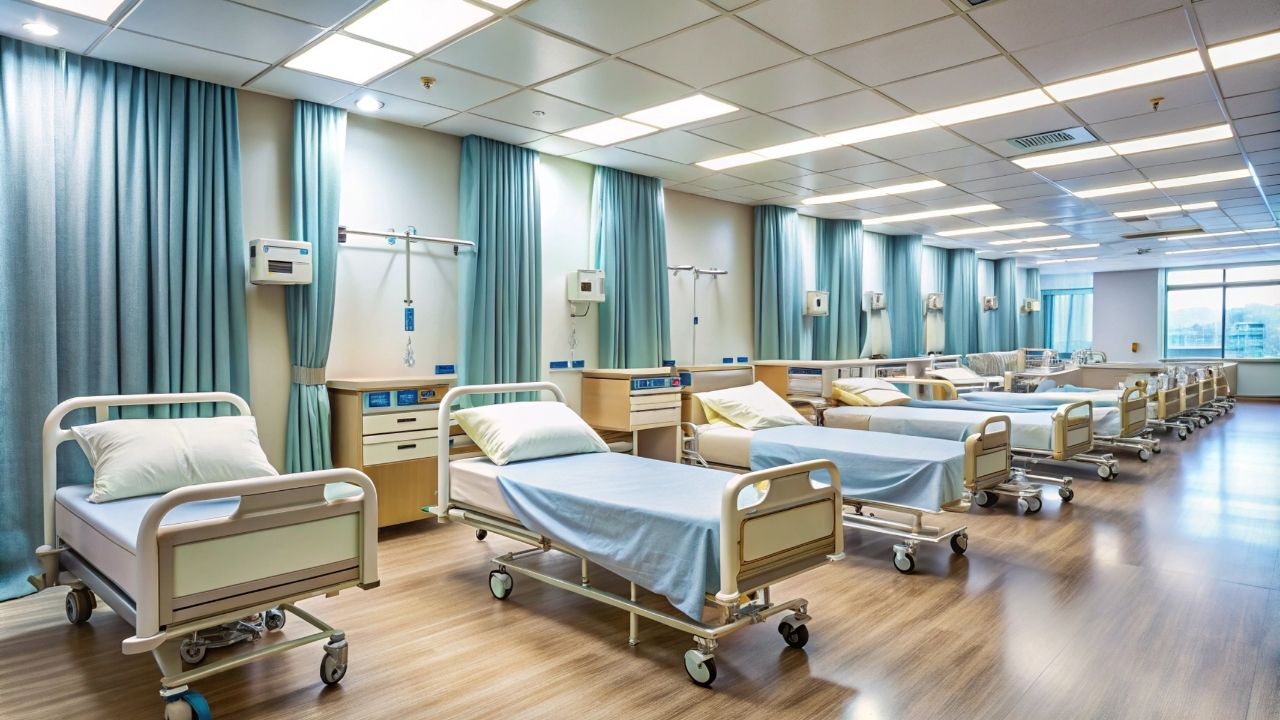
Where Can You Donate Medical Equipment in Los Angeles?
If you are searching for where to donate medical equipment in Los Angeles, the safest first step is to call before moving the item. All Seniors Foundation can help Los Angeles families, caregivers, facilities, and donors review walkers, wheelchairs, hospital beds, rollators, canes, shower chairs, commodes, and other senior mobility equipment, then confirm the best next step based on current needs and item condition.
This guide is written for people in Los Angeles County who want to help older adults without creating safety, storage, or handling problems. Medical equipment can be extremely useful, but it must be clean, complete, appropriate for reuse, and matched with the right situation.
Walkers, wheelchairs, hospital beds, and durable medical equipment often sit unused after a recovery, move, discharge, or change in care. For a senior who needs support, the same item may make daily life safer and more manageable. A sturdy walker can support short trips around the home. A wheelchair can help with appointments. A hospital bed may make caregiving easier when it is the right fit for the person and the home.
Because these items affect safety, the donation process should be handled thoughtfully. The goal is not simply to get equipment out of a garage. The goal is to make sure a useful item can responsibly support an older adult, family caregiver, or care team in Greater Los Angeles.
Call First Before Bringing or Sending Equipment
Before dropping off or transporting walkers, wheelchairs, hospital beds, lift chairs, or other medical equipment, call All Seniors Foundation at (818) 581-4101. Current needs, storage space, safety requirements, and handling options can change. A quick call helps confirm whether the item may be useful and what information the team needs from you.
This page is informational. It does not guarantee acceptance, pickup, tax treatment, placement with a specific recipient, or medical suitability for any person.
Medical Equipment That May Be Useful for Seniors
The best items are usually clean, complete, gently used, and easy to explain over the phone. If you do not know whether an item is appropriate, call first and describe it. Photos, model numbers, size information, and condition details can help the team decide what to do next.
Walkers and Rollators
Standard walkers, rolling walkers, and rollators may help older adults who need safer movement around the home or on short outings.
Wheelchairs and Transport Chairs
Manual wheelchairs and transport chairs should have working brakes, stable wheels, intact footrests when available, and clean seating surfaces.
Hospital Beds
Hospital beds and adjustable beds require extra review because they are large, technical, and may need careful handling, parts, and space.
Bathroom Safety Items
Shower chairs, commodes, transfer benches, and grab-support items may be useful when clean, stable, and complete.
Canes and Crutches
Canes, crutches, and related mobility supports should be clean, sturdy, and free from cracks, missing tips, or unsafe wear.
Small Senior Care Supplies
Some smaller items, such as overbed tables or basic monitoring devices, may be helpful when they are safe, clean, and working properly.
Quick Donation Fit Check
Use this checklist before calling. It helps you describe the item clearly and avoids surprises after someone has already moved heavy equipment.
- Clean: The item should be wiped down and free from unsafe residue, odors, pests, or visible contamination.
- Working: Brakes, wheels, handles, rails, motors, adjustments, and locks should work as expected.
- Complete: Include chargers, rails, cushions, footrests, remotes, manuals, and accessories when you have them.
- Safe: Avoid donating broken, unstable, recalled, expired, heavily worn, or improvised equipment.
- Identifiable: If possible, note the brand, model, size, weight rating, and approximate age.
- Photographed: Clear photos can help the team understand the item before anyone moves it.
How All Seniors Foundation May Help
All Seniors Foundation serves older adults, families, caregivers, and care professionals in Los Angeles County. When you call about a donation, the team may be able to help you understand whether the item fits current needs, what details are required, and what next step makes sense. Depending on the item and current circumstances, that may mean discussing donation suitability, safe handling, or another resource path.
The same call-first approach also protects seniors. A hospital bed, wheelchair, or walker is not automatically right for every person. Fit, home layout, caregiver support, medical needs, and safety all matter. All Seniors Foundation does not replace a licensed clinician, equipment supplier, or emergency service, but the organization can help families think through practical support and resource navigation.
What to Have Ready Before You Call
A short, organized call is usually more useful than a long explanation. Before calling, gather the basics below.
- Item type: Say whether it is a walker, wheelchair, hospital bed, rollator, shower chair, commode, cane, or another item.
- Condition: Explain whether it is new, gently used, working, missing parts, or needs cleaning.
- Size and details: Share dimensions, weight rating, brand, model, and any accessories if you know them.
- Location: Say where the item is located in Los Angeles County and whether it is easy to access.
- Timing: Explain whether you need guidance today, this week, or later.
- Photos: Be ready to provide photos if the team asks for them.
Items That Need Extra Caution
Some equipment may be difficult or inappropriate to reuse. That does not mean the donor did anything wrong. It simply means the item may need specialized handling, professional review, recycling, or another path.
Broken or Unstable Equipment
Items with cracked frames, loose wheels, unreliable brakes, missing parts, exposed wiring, or unsafe modifications should not be given to a senior.
Clinical or Prescription Items
Some equipment is tied to medical supervision, settings, prescriptions, infection-control rules, or professional installation.
Large Hospital Beds
Beds can be very helpful but also difficult to move, store, sanitize, and match safely with a home environment.
Other Places to Ask in Los Angeles
If All Seniors Foundation cannot use a specific item at the time you call, you may still have options. Depending on the equipment, consider asking local durable medical equipment reuse programs, rehabilitation centers, community nonprofits, senior centers, faith-based outreach groups, or municipal recycling resources. Always call first because each organization has its own rules, safety standards, and storage limits.
For items that are damaged, outdated, or not safe for reuse, responsible disposal or recycling may be better than donation. A clean “no” from one organization is better than moving unsafe equipment from one home to another.
Why This Matters for Los Angeles Seniors
Los Angeles families often face practical barriers after a hospital stay, fall, surgery, illness, or change in mobility. Even when insurance, Medicare, Medi-Cal, or another program helps with some needs, families may still have questions about timing, access, affordability, and what to do next. Useful donated equipment can sometimes reduce stress when it is handled properly and matched responsibly.
For seniors in the San Fernando Valley, Westside, Eastside, Long Beach area, and surrounding Greater Los Angeles communities, the difference between having and not having the right support item can be significant. The right walker, wheelchair, or bedside support may help a caregiver assist more safely. It may help an older adult move with more confidence. It may also help a family prepare for a care transition.
A Simple Phone Script for Donors
If you are not sure what to say when you call, keep it simple. A clear first message helps the team understand the item without making assumptions.
Example: “Hi, I am in Los Angeles and I have a clean walker and a transport wheelchair that my family no longer needs. The wheelchair brakes work, the seat is intact, and I can send photos. Can you tell me whether these items may be useful and what information you need before I bring or move anything?”
For a hospital bed or lift chair, add details about whether it is electric, whether the remote works, whether rails or accessories are included, whether it is already disassembled, and whether it is located upstairs or in a difficult-to-access area. For smaller items, mention the quantity, condition, and whether the item has been stored indoors.
Donation Tips for Families, Facilities, and Care Teams
Medical equipment donations often come from families, apartment managers, assisted living communities, rehabilitation teams, clinics, discharge planners, and storage cleanouts. Each situation needs a slightly different approach.
Families
Gather the item details before moving anything. If several relatives are involved, choose one person to make the call and share photos so the information stays organized.
Facilities
Confirm ownership, sanitation, and internal release rules before offering equipment. Do not assume a nonprofit can accept clinical items without review.
Care Managers
When helping a client donate equipment, include the item condition, urgency, location, and whether the family has permission to release it.
Reuse, Recycle, or Dispose?
Not every item should be reused. A safe donation decision usually falls into one of three paths. If an item is clean, complete, and working, it may be a possible donation candidate. If it is incomplete but has useful parts, a specialized reuse or repair program may be more appropriate. If it is unsafe, contaminated, badly worn, or missing essential pieces, responsible disposal or recycling may be the better choice.
This distinction matters for seniors. A donated item should reduce risk, not create it. A walker with worn tips can slip. A wheelchair with weak brakes can be dangerous. A bed with missing controls or rails may not be usable. Calling first gives everyone a chance to choose the safest path.
Related Senior Support Resources
Donate Wheelchairs and Walkers
How to Get Free Medical Supplies for Seniors
Walker Guide for Seniors
Adult Diapers for Seniors
Contact All Seniors Foundation
Frequently Asked Questions
Where can I donate medical equipment near me in Los Angeles?
Start by calling All Seniors Foundation at (818) 581-4101. The team can help you describe the item, confirm whether it may fit current needs, and discuss the safest next step. Call before bringing or moving equipment.
Can I donate a walker, rollator, or wheelchair?
Walkers, rollators, wheelchairs, and transport chairs may be useful when they are clean, complete, and working properly. Be ready to describe the condition, size, brakes, wheels, accessories, and any missing parts.
Can I donate a hospital bed in Los Angeles?
Hospital beds require extra review because they are large and may involve motors, rails, remotes, mattresses, sanitation, and moving logistics. Call first with photos, model details, size, and condition before arranging anything.
What medical equipment should not be donated?
Do not donate broken, unsafe, contaminated, recalled, expired, incomplete, or heavily worn equipment. Items tied to medical settings, prescriptions, infection control, or professional installation may need a different path.
Does All Seniors Foundation guarantee pickup or acceptance?
No. Current needs, storage, safety, handling, and item condition can change. This is why the best first step is to call before transporting equipment. The team can explain what information is needed and whether the item may be appropriate.
What information should I provide when I call?
Share the item type, brand or model if known, condition, size, accessories, location, timing, and whether photos are available. For larger equipment, explain whether it is upstairs, assembled, heavy, or difficult to access.
Can families call after a loved one no longer needs equipment?
Yes. Families often call after recovery, a move, a care transition, or the passing of a loved one. All Seniors Foundation can help you think through a respectful, practical next step for equipment that may still be useful.
Ready to Ask About a Donation?
Call (818) 581-4101 or visit the Donate page before bringing or sending medical equipment. A short call helps protect donors, seniors, caregivers, and the team coordinating support.

