Introduction: Understanding Aging Skin and Wound Care Needs
As we age, our skin undergoes numerous changes that make wound care more challenging. Thinner, less elastic skin combined with slower healing processes often results in prolonged recovery times for seniors. Proper wound management is essential not only for healing but also for preventing infection and further complications.
In 2026 and moving into 2027, advances in wound care products and techniques have transformed how caregivers support aging skin wound management. Our team at All Seniors Foundation is committed to providing the latest guidance and trusted information on senior wound care supplies tailored specifically for elderly skin, ensuring optimal outcomes for those we care about.
1. The Biology of Aging Skin and Why It Requires Special Care
Changes in Skin Structure and Function
Senior skin typically shows reduced thickness, diminished collagen and elastin production, and decreased subcutaneous fat. These changes result in fragile skin that is prone to tears, bruises, and pressure injuries. Understanding these biological factors is key to selecting the right wound care supplies and approaches.
Impact on Wound Healing Rates
Healing slows with age due to decreased circulation, reduced immune response, and lower production of growth factors necessary for tissue repair. This means wounds may persist longer and are at a higher risk of infection, necessitating specialized wound care management.
Why Regular Skin Assessment Matters
Frequent skin checks by caregivers or seniors themselves help detect early signs of wounds, pressure ulcers, or infections. Early intervention significantly reduces complications, highlighting the importance of education on skin monitoring in senior care environments.
2. Essential Senior Wound Care Supplies in 2026
Moisture-Retentive Dressings
The modern standard for wound dressings centers around maintaining a moist wound environment to accelerate healing. In 2026, hydrocolloid, foam, and alginate dressings have become highly favored for senior wound care due to their ability to absorb exudate while retaining moisture.
Advanced Antimicrobial Dressings
To combat infection risks in elder wounds, dressings imbued with silver, iodine, or specialized polymers offer enhanced antimicrobial protection. These supplies minimize bacterial colonization without the need for frequent dressing changes, improving comfort and compliance.
Barrier Creams and Protective Skin Care Products
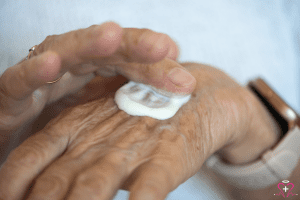
Elderly skin is vulnerable to moisture-associated skin damage, especially around wounds. Modern elderly skin care products such as silicone-based barrier creams or ceramide-enriched lotions help protect perimeter skin from breakdown and irritation.
3. Modern Elderly Skin Care Products Supporting Wound Management
Hydrating Formulas to Prevent Dryness and Cracking
Maintaining hydration is fundamental before and after wound healing. In 2026, many products incorporate ingredients like hyaluronic acid, squalane, and natural oils to deeply moisturize and support the skin barrier, making wounds less likely to worsen or develop.
pH-Balanced Cleansers Safe for Fragile Skin
Proper cleansing is critical in wound care. Recent innovations include no-rinse, pH-balanced cleansers with gentle detergents that minimize skin irritation and preserve natural microbiota essential for protection against infection.
Products with Collagen-Boosting Properties
Emerging topical agents that promote collagen synthesis—such as peptides and growth factor formulations—are gaining traction for their potential to support aging skin’s regenerative capacity.
4. Caregiver Wound Care Tips: Best Practices for Managing Senior Wounds
Proper Hygiene and Dressing Change Protocols
Caregivers should always wash hands thoroughly and use gloves when handling wounds. Following manufacturer guidelines on dressing change frequency and technique reduces infection risk and promotes healing.
Monitoring Signs of Infection and When to Seek Help
Early indicators of infection include increased redness, swelling, warmth, foul odor, or unexpected pain. Prompt communication with healthcare providers ensures timely intervention and prevents complications.
Positioning and Pressure Relief Strategies
To prevent pressure ulcers and speed healing, regularly reposition seniors, especially those with limited mobility. Use pressure-relieving mattresses and cushions designed for elderly skin to reduce stress on vulnerable areas.
5. Technology-Enhanced Supplies Revolutionizing Senior Wound Care
Smart Dressings with Sensors
In 2026, sensor-embedded dressings that monitor moisture levels, temperature, and bioburden provide real-time feedback to caregivers and clinicians. This innovation helps tailor wound care dynamically, improving clinical outcomes.
Telemedicine and Remote Wound Assessment
Advances in telehealth tools allow caregivers and seniors to consult wound care specialists remotely. High-resolution imaging and AI-driven wound assessment platforms optimize treatment plans without requiring frequent in-person visits.
wearable Devices Supporting Mobility and Skin Health
Innovative wearable devices monitor pressure points and movement patterns in seniors, alerting caregivers to early signs of skin compromise or prolonged immobility, allowing for preventive measures before wounds develop.
6. Selecting Retirement Medical Supplies: What Families Should Look For
Quality and Certification Standards
Choosing products with certifications such as FDA clearance or CE marking ensures safety and efficacy. Families should prioritize reputable brands known for senior-specific formulations and designs.
Ease of Use and Accessibility
Wound care supplies that are easy to apply, remove, and manage reduce caregiver burden. Products with clear instructions and user-friendly packaging improve adherence at home and in assisted living environments.
Cost-Effectiveness and Insurance Coverage
Understanding insurance benefits and cost-sharing options helps families balance quality care with affordability. Our team at All Seniors Foundation recommends exploring programs that support seniors’ access to essential wound care supplies.
7. Preventing Common Senior Wounds: Proactive Approaches
Pressure Ulcer Prevention Techniques
Regular skin inspections, pressure redistribution, maintaining skin hygiene, and managing moisture are key strategies to prevent these common and dangerous wounds.
Fall Prevention and Trauma Avoidance
Minimizing fall risk through environmental adjustments, balance exercises, and supportive footwear directly lowers incidents of cuts, abrasions, and bruises prevalent in older adults.
Nutrition and Hydration’s Role in Skin Health
A balanced diet rich in protein, vitamins (especially C and D), and minerals supports wound healing and skin integrity. Adequate hydration prevents dryness and cracking.
8. Special Considerations: Managing Chronic Wounds and Comorbidities
Diabetic Foot Ulcer Care
For seniors with diabetes, specialized offloading devices, infection monitoring, and glycemic control form the cornerstone of wound management to prevent progression of foot ulcers.
Venous and Arterial Ulcers
Compression therapy for venous ulcers and vascular assessments for arterial ulcers are critical components of care. Senior wound care supplies may include specialty bandages and compression stockings tailored to these conditions.
Integrating Wound Care into Overall Chronic Disease Management
Addressing conditions such as heart failure, renal insufficiency, and neuropathy concurrently ensures a comprehensive approach that promotes better wound healing outcomes.
9. FAQs: Senior Wound Care Supplies and Practices
What types of dressings are best for fragile senior skin?
Moisture-retentive dressings such as foam and hydrocolloid are gentle, reduce trauma during changes, and maintain optimal wound moisture needed for healing.
How often should wound dressings be changed for elderly wounds?
Frequency varies based on wound type and exudate amount but typically ranges from daily to every 3–7 days. Always follow healthcare provider or manufacturer instructions.
Are over-the-counter skin care products safe for wound perimeters?
Yes, but use products designed for sensitive or aging skin that do not contain alcohol, fragrances, or harsh chemicals which can delay healing.
When should a caregiver seek professional help for a wound?
If the wound shows signs of infection, does not improve within 7–10 days, or if the senior experiences increased pain, fever, or swelling, medical evaluation is necessary.
Can diet improve wound healing in seniors?
Absolutely. A nutrient-rich diet with sufficient protein, vitamins, and minerals is crucial to support tissue repair and immune function.
What are the benefits of smart wound dressings?
Smart dressings provide real-time data about the wound environment, enabling proactive care adjustments and reducing complications from unnoticed infections or moisture imbalances.
Key Takeaways
- Aging skin requires specialized wound care products designed to protect fragile tissue and promote faster healing.
- Modern senior wound care supplies incorporate moisture-retentive dressings, antimicrobial technology, and skin barrier protection.
- Caregivers play a central role in hygiene, monitoring, and proper wound management to prevent infection and complications.
- Emerging technologies such as smart dressings and telemedicine are revolutionizing wound care in the senior population.
- Proactive prevention strategies including nutrition, fall prevention, and pressure relief reduce the incidence of senior wounds.
- Chronic wound care requires a comprehensive approach considering comorbidities like diabetes and vascular disease.
At All Seniors Foundation, we are dedicated to empowering caregivers and families with up-to-date knowledge and resources so seniors can live safely and comfortably with healthy skin well into their golden years.