Introduction: Embracing Social Activities for Healthy Aging in 2026
As we step further into 2026, the importance of social engagement in promoting healthy aging and enriching retirement lifestyles is clearer than ever. Social activities are no longer just pastimes but vital components of mental, emotional, and physical well-being for seniors. At All Seniors Foundation, we understand that staying connected and active brings purpose and joy to seniors’ lives, while also supporting caregivers and families who help them thrive.
Whether recently retired or well into advanced years, seniors benefit greatly from meaningful interactions, community involvement, and activities tailored to their interests and abilities. This article explores top senior social activities that are shaping vibrant aging experiences in 2026 and offers guidance on how caregivers and families can support these engagements effectively.
1. Community-Based Group Activities
Social Clubs and Interest Groups
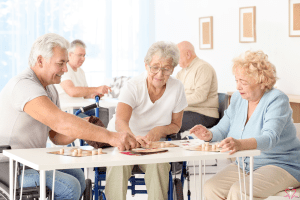
Joining clubs centered around hobbies and interests remains a favorite way for seniors to meet peers and cultivate friendships. In 2026, many community centers and senior living communities have expanded their offerings to include book clubs, gardening groups, tech clubs, art circles, and more. These gatherings encourage mental stimulation and creativity while promoting social bonds.
Volunteering Opportunities
Volunteering continues to be an excellent social activity that instills a sense of purpose and belonging. Seniors who volunteer experience improved mood and cognitive health. Many organizations actively seek seniors to contribute their skills, whether helping in libraries, tutoring youth, or supporting local nonprofits. This not only benefits the community but strengthens seniors’ social networks.
Group Exercise Classes
Physical health is intertwined with social well-being. Group-based fitness classes tailored to seniors—such as yoga, tai chi, water aerobics, and dance—provide both exercise and camaraderie. Modern 2026 classes are increasingly hybrid, offering in-person and virtual options to accommodate varying mobility and comfort levels.
2. Technology-Enhanced Social Engagements
Virtual Social Clubs and Events
Digital platforms have transformed how seniors connect socially. In 2026, virtual meetups, game nights, and workshops are mainstream, allowing seniors to participate regardless of location or mobility. Platforms designed with senior-friendly interfaces have improved accessibility, making it easier than ever to join in.
Video Calls for Family and Friends
Staying connected with family members and longtime friends through video calls is a staple social activity. Beyond casual chats, many seniors engage in virtual celebrations, storytelling sessions, and collaborative projects, reinforcing bonds despite physical distance.
Technology Training and Support Groups
To reduce digital isolation, numerous programs teach seniors how to use smartphones, tablets, and social apps effectively. Learning alongside peers fosters confidence and ongoing social connection. Caregiver involvement in these activities helps seniors overcome tech challenges smoothly.
3. Multi-Generational Social Activities
Family-Oriented Events
In 2026, family engagement is emphasized to prevent senior loneliness and strengthen intergenerational ties. Events like family reunions, holiday gatherings, and bi-generational community programs create meaningful exchanges between seniors and younger family members.
Community Partnerships with Schools and Youth Groups
Many communities encourage partnerships where seniors mentor youth, share stories, or collaborate on projects. These connections benefit both age groups by fostering respect, understanding, and lifelong learning.
Intergenerational Arts and Cultural Programs
Artistic endeavors, such as theater performances, storytelling festivals, or craft-making, bring different generations together. They provide a platform for self-expression and dialogue across ages.
4. Memory and Cognitive Engagement Activities
Cognitive Clubs and Brain Games
Cognitive fitness remains vital for aging well. Groups focused on puzzles, trivia, chess, and memory exercises stimulate brain health and provide enjoyable socialization opportunities.
Creative Writing and Storytelling Circles
Seniors often cherish sharing life stories and cultural traditions. Writing workshops and storytelling groups help preserve legacies while connecting participants emotionally and socially.
Music and Memory Programs
Music therapy and group sing-alongs enhance mood and memory recall, especially for those experiencing early dementia. These engaging social activities foster connection through shared rhythms and melodies.
5. Outdoor and Nature-Based Activities
Community Gardening
Community gardens offer seniors a chance to nurture plants while socializing with neighbors. Working with nature contributes to physical activity and mental tranquility, making gardening a therapeutic group activity.
Nature Walks and Bird Watching Groups
Organized walking clubs and bird watching meetups provide low-impact exercise combined with social interaction and environmental appreciation.
Outdoor Recreation and Picnics
Social outings to parks, botanical gardens, and outdoor cultural venues remain popular. Picnic gatherings and festivals foster community spirit and enable seniors to enjoy fresh air in the company of friends.
6. Travel and Adventure for Seniors
Group Travel and Excursions
Travel remains an exciting social activity for many seniors. In 2026, specialized group tours cater to the elderly with interests ranging from cultural sightseeing to nature adventures. These trips emphasize accessibility, safety, and shared experiences.
Local Day Trips and Cultural Visits
Day outings to museums, theaters, historical sites, and culinary events encourage social bonding and cultural enrichment without the challenges of extended travel.
Virtual Travel Experiences
For seniors with limited mobility, virtual reality travel experiences provide immersive social activities. These programs combine technology with storytelling to simulate visits to exotic destinations.
7. Supportive Social Networks and Caregiver Involvement
Senior Support Groups
Support groups focusing on shared life experiences, health conditions, or caregiving challenges offer safe spaces for expression and connection. Participation reduces feelings of isolation and builds resilience.
Caregiver-Supported Social Engagement
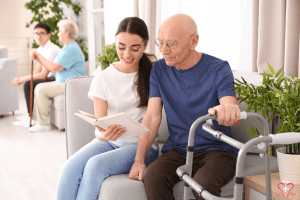
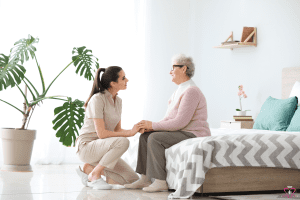
Caregivers play a crucial role in facilitating social activities. Our team at All Seniors Foundation encourages caregivers to involve their loved ones in suitable activities and advocate for accessible options.
Community Resources and Transportation
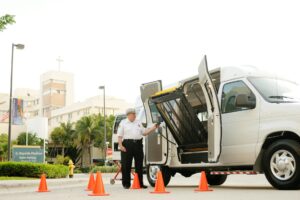
Access to transportation and community resources is critical to senior social participation. Programs that provide rides to events or offer home visit social services help overcome common barriers.
8. Faith-Based and Spiritual Gatherings
Religious Services and Fellowship Groups
For many seniors, faith communities are vital social hubs. Regular services, study groups, and fellowship events foster a sense of belonging and shared values.
Spiritual Retreats and Meditation Sessions
Mindfulness programs, meditation groups, and spiritual retreats create an atmosphere of peace and connection, contributing to seniors’ emotional wellness.
Volunteerism through Faith Communities
Many religious organizations organize volunteer activities that double as social opportunities, reinforcing purpose and community bonds.
9. Arts, Crafts, and Cultural Activities
Art Classes and Workshops
Creative expression through painting, pottery, knitting, and other crafts encourages fine motor skills and social bonding. Community centers and studios offer increasingly diverse and adaptive classes.
Performing Arts Participation
Theater groups, choirs, and dance ensembles allow seniors to showcase talents and engage deeply with others. Performance opportunities bring joy and community recognition.
Cultural Festivals and Celebrations
Participating in cultural and holiday festivals connects seniors to their heritage and their community, nurturing pride and social interaction.
Frequently Asked Questions (FAQs)
How do social activities benefit seniors’ health?
Engaging in social activities improves mental health by reducing depression and anxiety, promotes cognitive function, supports physical health, and provides emotional support through meaningful relationships.
What should caregivers consider when helping seniors find social activities?
Caregivers should consider the senior’s interests, physical abilities, cognitive status, transportation needs, and accessibility of activities. Personalized support and encouragement are key.
Are virtual social activities as effective as in-person ones?
While in-person interactions offer unique benefits, virtual social activities provide valuable alternatives for seniors with mobility or health limitations, helping maintain engagement and connection.
How can seniors overcome social isolation if they have limited mobility?
Accessing virtual programs, participating in home-based group activities, receiving outreach from support organizations, and utilizing transportation services can all help mitigate isolation.
What role do intergenerational activities play in senior socialization?
Intergenerational activities foster understanding, reduce age-related stereotypes, and provide opportunities for meaningful exchanges, benefiting seniors’ emotional well-being.
How is technology helping seniors stay socially active in 2026?
Technology provides user-friendly communication platforms, virtual event access, learning opportunities, and virtual reality experiences that keep seniors connected with communities and families.
Key Takeaways
- Active social engagement is essential for seniors’ overall well-being and quality of life in 2026.
- Community-based and technology-enhanced activities offer diverse avenues for connection tailored to various interests and abilities.
- Multi-generational and intergenerational programs strengthen family ties and enrich social experiences.
- Caregiver support is invaluable in helping seniors navigate social opportunities and overcome barriers.
- Outdoor, arts, travel, and faith-based activities add variety and depth to seniors’ social lives.
- Virtual platforms and digital literacy programs are increasingly important tools for inclusive senior socialization.
- Our team at All Seniors Foundation remains committed to promoting vibrant, connected aging through education and community resources.