Understanding Senior Wound Care in 2026
The Importance of Specialized Wound Care for Aging Adults
As individuals age, their skin undergoes significant changes, including thinning, decreased elasticity, and reduced blood flow. These changes make seniors more susceptible to wounds that are slow to heal and prone to infection. Proper wound care tailored for seniors is essential to promote healing, prevent complications, and maintain quality of life. In 2026, advances in wound care technology and medical supplies have drastically enhanced how caregivers support aging adults through this process.
Common Types of Wounds in Seniors
- Pressure Ulcers (Bedsores): Often resulting from prolonged pressure on the skin, especially for seniors with limited mobility.
- Diabetic Ulcers: Chronic wounds primarily on the feet due to nerve damage and poor circulation in diabetic patients.
- Venous Leg Ulcers: Occur as a result of impaired venous blood flow in the legs.
- Minor Cuts and Abrasions: Though typically mild, they require diligent care to avoid infection.
2026 Guidelines for Aging Adult Wound Management
Leading health organizations emphasize a multifaceted approach combining advanced dressings, regular monitoring, nutrition, and infection prevention. Newer recommendations highlight the integration of technology, such as smart dressings and telehealth wound assessments, to optimize healing outcomes.
Essential Medical Supplies for Senior Wound Care
Advanced Wound Dressings
In 2026, wound dressings are more sophisticated than ever. Key types include:
- Hydrocolloid Dressings: Maintain a moist environment conducive to healing and can remain in place for several days.
- Alginate Dressings: Made from seaweed, these are ideal for wounds with heavy exudate due to their excellent absorption properties.
- Hydrogel Dressings: Provide moisture to dry wounds, aiding in autolytic debridement.
- Foam Dressings: Cushion wounds and absorb fluids, protecting fragile skin from additional trauma.
Antimicrobial and Infection Control Supplies
Controlling infection is vital in senior wound care to avoid complications:
- Silver-Infused Dressings: Antimicrobial properties combat bacteria and reduce infection risk.
- Honey-Based Dressings: Medical-grade honey supports healing and offers natural antibacterial effects.
- Topical Antibiotics and Antiseptics: Essential for preventing wound infections when used appropriately.
Skin Protectants and Barrier Creams
To protect the surrounding skin from irritation and breakdown, senior caregivers should use:
- Silicone-based barrier films
- Zinc oxide creams
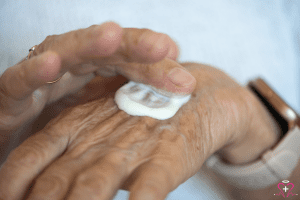
- Moisturizing lotions formulated for sensitive, aging skin
Innovative Technologies in Senior Wound Care
Smart Dressings with Sensors
One of the most exciting developments in 2026 is the rise of smart wound dressings embedded with biosensors that monitor moisture levels, pH balance, and temperature. These sensors can alert caregivers or healthcare providers in real-time if a wound shows signs of infection, allowing for timely interventions.
Telehealth and Remote Wound Monitoring
Telehealth platforms now offer remote wound assessment tools enabling caregivers and clinicians to upload wound images and track healing progress without frequent clinic visits. This technology is especially beneficial for seniors with limited mobility and in rural or underserved areas.
3D-Printed Customized Dressings
Emerging 3D printing technology allows production of customized wound dressings tailored to the specific contours and needs of a patient’s wound, improving efficacy and comfort during the healing process.
Caregiver Tips for Effective Aging Adult Wound Management
Proper Wound Cleaning Techniques
Effective cleaning is the foundation of wound care. Caregivers should use sterile saline solutions or wound-specific cleansers, avoiding harsh antiseptics that can damage delicate skin cells in seniors.
Maintaining Moisture Balance
Keeping a balanced moisture level in the wound bed speeds healing. Overly dry wounds require hydration with appropriate dressings, while overly wet wounds must be managed with absorptive materials to prevent maceration.
Monitoring and Documentation
Caregivers should regularly assess wound size, color, odor, and exudate, documenting changes accurately. This information is crucial for healthcare providers to adjust treatment plans timely.
Preventing Pressure and Trauma
Repositioning aging adults frequently and using pressure-relief devices help prevent new pressure ulcers. Protective padding and careful handling reduce trauma to existing wounds.
Choosing the Best Retirement Health Supplies for Wound Care
Considerations for Product Selection
When purchasing wound care supplies for seniors, caregivers should prioritize:
- Hypoallergenic materials to prevent skin irritation
- User-friendly packaging designed for ease of handling
- Cost-effectiveness balanced with high quality and effectiveness
- Compatibility with any specific medical conditions such as diabetes or allergies
Where to Source Reliable Senior Medical Supplies
Our team at All Seniors Foundation recommends obtaining supplies from established medical suppliers with quality certifications and strong customer support. In 2026, online medical supply platforms offer expanded product ranges with fast delivery directly to homes and care facilities.
Importance of Consultation with Healthcare Providers
Before selecting new supplies, always consult with a healthcare provider or wound care specialist to ensure the chosen products align with the senior’s wound management plan.
Nutrition and Lifestyle Factors Supporting Wound Healing
Key Nutrients for Skin Repair
Proper nutrition plays a pivotal role in wound healing. Seniors benefit from diets rich in:
- Protein – supports tissue repair and immune function
- Vitamin C – crucial for collagen synthesis
- Zinc – aids in immune responses and cellular regeneration
- Hydration – maintains skin elasticity and supports cellular function
Exercise and Mobility
Where possible, gentle physical activity improves circulation and oxygen delivery to wounds, expediting recovery.
Smoking Cessation and Other Lifestyle Changes
Tobacco use and uncontrolled chronic conditions such as diabetes impair healing. Encouraging healthy habits significantly impacts wound care outcomes.
Managing Chronic Wounds and Complications
Identifying Signs of Complicated Wounds
Seniors and caregivers should watch for increased redness, swelling, foul odor, or fever indicating infection. Prompt medical intervention is essential to prevent systemic complications.
Multidisciplinary Care Approaches
Complex wounds often require coordinated care involving physicians, wound care nurses, dietitians, and physical therapists to address all facets of healing.
Use of Negative Pressure Wound Therapy (NPWT)
NPWT devices, which create controlled suction to remove excess fluids and promote tissue growth, have become more accessible and user-friendly in 2026. These devices are highly effective in treating chronic and deep wounds.
FAQ: Senior Wound Care and Medical Supplies in 2026
Q1: What are the best types of dressings for elderly skin?
The best dressings maintain a moist healing environment without causing irritation or maceration. Hydrocolloid, foam, and silicone dressings are especially recommended for their gentle adherence and cushioning properties.
Q2: How often should wounds be changed in aging adults?
Wound dressing changes vary depending on the dressing type and wound condition, often ranging from daily to once every several days. Smart dressings in 2026 can help caregivers determine optimal change times.
Q3: Are silver dressings safe for all seniors?
Generally, silver-infused dressings are safe and effective for managing infection risk, but they should be used under medical advice, especially in cases of allergy or sensitivity.
Q4: Can caregivers manage wound care at home without professional help?
Routine wound care can be managed at home with proper training and supplies, but professional consultation is advised for complex or non-healing wounds.
Q5: How can technology improve wound care for seniors?
Innovations like smart dressings and telehealth wound monitoring enhance early detection of complications, improve adherence to care plans, and reduce unnecessary clinic visits.
Q6: What should be included in a senior wound care supply kit?
A comprehensive kit includes various dressings, cleaning agents, barrier creams, gloves, scissors, tape, and documentation tools. Having these readily available ensures timely and effective care.
Key Takeaways
- Senior wound care in 2026 leverages advanced dressings, antimicrobial technologies, and digital health tools to optimize outcomes.
- Specialized supplies tailored to aging skin help prevent complications and promote healing.
- Caregivers play a crucial role through proper cleaning, moisture management, and regular monitoring.
- Nutrition, exercise, and lifestyle factors significantly influence wound recovery.
- Consultation with healthcare providers ensures personalized and effective wound management plans.
- At All Seniors Foundation, we remain dedicated to providing up-to-date information and resources to empower seniors and their caregivers in managing wound care confidently in 2026 and beyond.