Understanding Senior Incontinence: Types and Challenges
What is Incontinence?
Incontinence refers to the involuntary loss of bladder or bowel control. For many seniors, it can be a temporary issue or a chronic condition, impacting daily life and overall well-being. Understanding the nature and causes of incontinence helps in choosing the right supplies and management strategies.
Common Types of Incontinence in Seniors
- Stress Incontinence: Leakage caused by pressure on the bladder during activities like coughing, sneezing, or lifting.
- Urge Incontinence: A sudden, intense need to urinate which may be difficult to control.
- Overflow Incontinence: When the bladder doesn’t empty completely, leading to dribbling.
- Functional Incontinence: Physical or cognitive impairments that prevent timely bathroom access.
Challenges Faced by Seniors and Caregivers
Incontinence can lead to skin irritation, infections, and emotional distress for seniors. Caregivers may face challenges balancing comfort, dignity, and hygiene when managing bladder control products. Fortunately, advances in incontinence supplies in 2026 make managing these challenges far easier than before.
Latest Innovations in Senior Incontinence Supplies
Advanced Absorbent Materials
Modern elderly bladder control products use cutting-edge absorbent cores that lock in moisture more effectively while minimizing bulk. These materials enhance comfort and skin health by wicking moisture away quickly, reducing risks of rashes and ulcers.
Smart Incontinence Aids
Technology has transformed incontinence supplies. Products like sensor-enabled briefs and pads can now monitor wetness levels and alert caregivers via smartphone apps, allowing timely changes and reducing discomfort.
Eco-Friendly and Sustainable Options
With growing environmental awareness, many senior incontinence supplies in 2026 are biodegradable or manufactured with sustainable materials. These options support caregivers and seniors who want effective management with a smaller ecological footprint.
Choosing the Right Aging Adult Diapers and Pads in 2026
Assessing Absorbency Levels
Choosing an incontinence product with the right absorbency is crucial. Seniors with light leaks may prefer slim pads or underwear with moderate absorbency, while those with heavy incontinence benefit from high-capacity briefs. Manufacturers now offer detailed absorbency ratings to guide choices.
Fit and Comfort Considerations
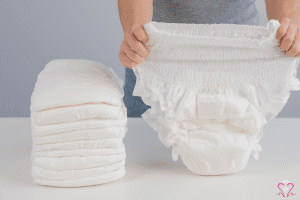
Modern supplies prioritize ergonomic fit and breathability. Adjustable tapes, elastic waistbands, and breath-mesh fabrics ensure secure placement without sacrificing comfort for daily or overnight wear.
Special Features and Functionalities
- Odor control technologies to reduce embarrassment
- Wetness indicators that change color
- Latex-free options for sensitive skin
- Discreet designs that resemble regular underwear
Caregiver Incontinence Aids: Supporting Those Who Support Seniors
Ease of Use and Application
For caregivers, ease of applying and changing adult diapers and pads is essential. Products with resealable tapes, pre-folded designs, or pull-on styles simplify care routines and minimize discomfort for seniors.
Hygiene and Infection Prevention
In 2026, many supplies are paired with skin-care wipes, barrier creams, and disposable gloves that prioritize hygiene. Caregiver aids now emphasize minimizing contamination and maintaining skin integrity to prevent infections.
Training and Resources for Caregivers
Our team at All Seniors Foundation highlights the importance of caregiver education through webinars, instructional videos, and printed guides that cover best practices for incontinence management, reducing caregiver stress and improving senior quality of life.
Incontinence Management Strategies in Retirement and Assisted Living
Customized Care Plans
Retirement communities increasingly develop individualized incontinence management plans based on a resident’s health status, mobility, and lifestyle preferences, incorporating the latest incontinence supplies.
Integrating Physical Therapy and Bladder Training
Modern care emphasizes non-supply interventions such as pelvic floor exercises, bladder retraining, and physical therapy to complement product use, promoting greater independence.
Creating Comfortable and Dignified Environments
Facilities now invest in private, accessible bathrooms, discreet disposal systems, and thoughtful product choices to protect senior dignity and ease caregiver tasks.
Top Senior Incontinence Supply Brands and Products in 2026
Leading Brands
- SecureFit™ by ComfortCare: Known for breathable fabrics and excellent absorbency for day and night use.
- EcoDry Seniors®: A top choice among eco-conscious seniors offering biodegradable options.
- SmartSense Briefs: Incorporating wetness sensors and smartphone alerts.
Product Highlights
Many brands offer starter kits, sample packs, and subscription services in 2026, helping seniors and caregivers find the perfect fit and stay replenished without hassle.
Where to Purchase
Senior incontinence supplies can be found at pharmacies, specialized senior medical supply stores, and through online retailers that often provide discreet home delivery options.
Caring for Skin and Preventing Complications
Skin Care Routines
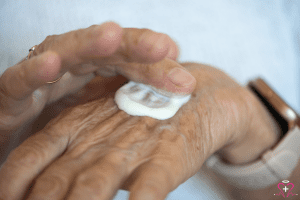
Using barrier creams, gentle cleansing wipes, and maintaining dryness are vital to preventing rashes and pressure sores. New formulas in 2026 focus on nourishing ingredients like aloe and vitamin E.
Monitoring for Infection and Irritation
Caregivers should regularly inspect skin for redness, swelling, or breakdown and consult healthcare providers promptly to avoid serious complications.
Innovative Supportive Products
Modern skin protectants include breathable films and moisture-wicking underpads designed to work seamlessly with adult diapers to enhance skin health.
Cost and Insurance Considerations in 2026
Understanding Coverage Options
Medicare Advantage plans and Medicaid programs increasingly cover a broader range of incontinence supplies. Seniors should review their benefits annually to maximize support.
Affordable and Accessible Solutions
Many manufacturers offer financial assistance or discount programs, and community health organizations provide free or low-cost supplies for eligible seniors.
Budgeting Tips for Families and Caregivers
- Buying in bulk or via subscription services for cost savings
- Consulting with healthcare providers for samples before purchasing
- Evaluating product effectiveness to avoid overspending on unnecessary features
Frequently Asked Questions (FAQ)
1. How do I determine which incontinence supplies are best for my loved one?
Consider the level of incontinence, comfort preferences, skin sensitivity, and lifestyle needs. It may help to start with sample packs or consult a healthcare professional for personalized recommendations.
2. Are there discreet options suitable for active seniors?
Yes, many products resemble regular underwear and use slim, breathable materials that are comfortable for seniors who want to maintain an active and social lifestyle.
3. Can men and women use the same incontinence products?
While some products are unisex, others are specifically designed to accommodate anatomical differences, promoting better fit and leak protection. Choosing gender-specific supplies may improve comfort.
4. How often should incontinence products be changed?
Changing frequency depends on product absorbency and individual needs but typically ranges from every 3 to 8 hours. Overnight products often provide extended protection to avoid frequent changes during sleep.
5. What should caregivers do if skin irritation develops?
Caregivers should clean the area gently, apply a protective barrier cream, and change the product more frequently. If symptoms persist, consulting a healthcare provider is important.
6. Are there any new technologies improving incontinence management?
Yes, sensor-based products and app-connected supplies enhance monitoring, provide reminders, and enable data sharing with healthcare providers for better individualized care.
Key Takeaways
- Modern incontinence supplies in 2026 prioritize comfort, absorbency, and skin health through advanced materials and technologies.
- Caregiver aids have become more user-friendly, with innovations that reduce workload and improve hygiene.
- Retirement communities and home care embrace integrated management plans combining supplies with therapy and environment adaptations.
- Understanding insurance benefits and budget options helps in accessing quality products affordably.
- Ongoing skin care and regular monitoring are essential components of effective incontinence management.
- Our team at All Seniors Foundation is committed to informing seniors and families about the latest incontinence solutions to support dignity and independence.