Understanding Senior Incontinence: An Overview
What is Incontinence in Aging Adults?
Incontinence is the involuntary loss of bladder or bowel control, a common issue faced by many seniors. This condition ranges in severity from occasional leaks to complete loss of control. By 2026, estimates show that around 30-40% of adults over age 65 experience some form of urinary incontinence, making it a significant concern for aging adults and their caregivers.
Note: This informational article is not a substitute for medical, legal, or professional advice. Always speak with the appropriate qualified professional about health, legal, housing, benefits, or care decisions.
Types of Incontinence in Seniors
- Stress Incontinence: Leakage during physical activities like coughing or lifting.
- Urge Incontinence: Sudden, intense urge to urinate followed by involuntary loss.
- Overflow Incontinence: When the bladder doesn’t empty fully, causing leaks.
- Functional Incontinence: Physical or cognitive barriers prevent timely bathroom access.
Causes and Risk Factors
Incontinence can be triggered by various factors including muscle weakening with age, neurological conditions, medications, and chronic diseases like diabetes or Parkinson’s. Our team at All Seniors Foundation emphasizes understanding these causes to tailor the right care approaches and supply choices for managing incontinence effectively.
Latest Advances in Senior Incontinence Supplies for 2026
Next-Generation Aging Adult Diapers
The senior care market has seen remarkable innovations in aging adult diapers in 2026. Modern diapers now use ultra-absorbent, breathable materials combined with antimicrobial layers for superior odor control and skin health. Designs are also sleeker, providing discreet comfort while ensuring leak protection throughout the day and night.
Smart Incontinence Supplies
Breakthroughs in technology have introduced “smart” incontinence products that incorporate sensors monitoring wetness levels and alerting caregivers in real time via smartphone apps. These supplies are proving invaluable in home health care for seniors environments, enhancing dignity and reducing skin complications by prompting timely changes.
Environmentally Friendly Options
Eco-conscious seniors and families can now choose from biodegradable and reusable incontinence liners and pads that balance environmental stewardship with high performance. Our incontinence liners section offers a variety of these sustainable solutions, reflecting the 2026 trend towards greener caregiving practices.
Selecting the Right Elderly Bladder Control Products
Assessing Level of Absorbency
Choosing the optimal absorbency depends on the severity and frequency of incontinence episodes. Products range from light pads for minor leaks to heavy-duty briefs for complete bladder loss. Consider the senior’s lifestyle and independence level to align with multiple daily or overnight needs.
Fit and Comfort Considerations
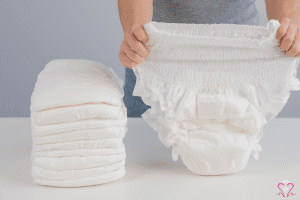
Proper fit prevents leaks and discomfort. Brands in 2026 offer customizable fits with adjustable tabs or pull-up styles that mimic regular underwear, promoting ease of use. For seniors with limited mobility, pull-on protective underwear provides both dignity and functionality. Visit our protective underwear page to explore options.
Skin Health and Materials
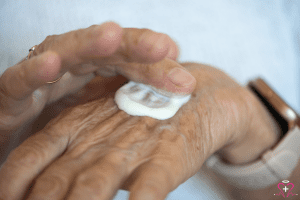
Sensitivity and the risk of sores increase with incontinence, so gentle, hypoallergenic fabrics and moisture-wicking technology are preferred. Barrier creams and skin protectants complement these supplies to maintain skin integrity. For trusted products and advice, our barrier creams are highly recommended.
Comprehensive Guide to Incontinence Pads and Liners
Types of Incontinence Pads
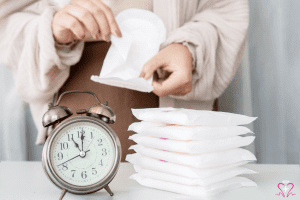
- Regular Pads: Suitable for light to moderate leaks; easy to change and dispose.
- Booster Pads: Used with diapers for additional absorption capacity.
- All-in-One Pads: High-absorbency and designed for extended wear.
Benefits of Using Incontinence Liners
Linters provide a lightweight, convenient option for managing minor leaks and can be worn with regular underwear. They are ideal for seniors maintaining a high level of independence and activity. For caregivers, liners simplify care routines, reducing laundry and product waste. Explore various sizes and materials at our incontinence liners page.
Disposable vs. Reusable Options
While disposable pads offer convenience and hygiene, reusable options like washable pads have grown in popularity due to sustainability trends in 2026. Selecting between these depends on the senior’s care context and environmental considerations.
Specialized Products for Male and Female Seniors
Male-Specific Incontinence Solutions
Men often prefer external catheter devices and specially contoured guards designed to fit the male anatomy. These products provide discreet protection for light to moderate leakage while maintaining comfort. For more advanced needs, male briefs with targeted absorbent zones offer security during active hours.
Female-Specific Incontinence Supplies
Women may benefit from slim, flexible pads designed for urinary stress incontinence. Products incorporating natural ingredients for pH balance and odor control are widely available in 2026. The versatility of pads to fit feminine hygiene needs helps seniors maintain confidence and comfort.
Unisex Products for Versatility
Many products cater to both genders, focusing on neutral designs and adaptability. These are especially helpful in multi-caregiver settings where stocking a wide range of gender-specific products may not be practical.
Best Practices for Caregivers Managing Senior Incontinence
Creating a Dignified Care Routine
Caregivers play a vital role in fostering independence and dignity for seniors experiencing incontinence. Understanding when and how to assist with changing supplies ensures comfort and maintains skin health. Our home health aides offer expert support and training in these care routines.
Incontinence and Home Health Safety
Modifying home environments for seniors includes easy access to bathrooms and moisture management tools like bed pads and bed pads. These adaptations reduce the risk of falls and infections. For more home safety modifications, explore home safety modifications tailored for senior living.
Partnering with Healthcare Providers
Coordination with urologists, geriatricians, and continence specialists helps identify underlying causes and tailor product use. Our urology services and geriatric care programs ensure holistic management, including medication reviews and physical therapies where applicable.
Addressing Challenges: Skin Care, Odor Control, and Hygiene
Preventing Skin Breakdown and Infections
Prolonged exposure to moisture can cause irritation, rash, and infection. Utilizing breathable products combined with regular skin assessments and protective creams is essential. Our article on barrier creams highlights products that strengthen the skin’s resilience.
Innovations in Odor Eliminators
New odor control formulas in 2026 combine activated charcoal and enzymatic agents that neutralize odors at the source, promoting comfort and confidence for seniors and caregivers alike. Check out odor eliminator products recommended by our team for best results.
Maintaining Hygiene with Wipes and Cleansers
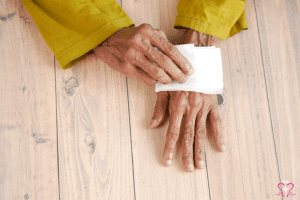
Adult wipes have evolved with moisturizing, fragrance-free options that preserve skin health. These wipes simplify cleaning during changes and reduce the risk of urinary tract infections. Visit our wipes for adults page for a selection of preferred brands and formulations.
Financial Assistance and Access to Incontinence Supplies
Insurance and Medicare Coverage Updates in 2026
With the latest Medicare guidelines, many durable medical supplies, including certain brands of adult diapers and pads, are partially covered when prescribed by a healthcare provider. Understanding these updates helps families plan budget-efficient care. Our Medicare applications assistance can guide through current criteria and claims processes.
Local and National Assistance Programs
Various nonprofit and government programs provide free or discounted incontinence supplies for low-income seniors. The All Seniors Foundation supports connecting families to these programs to ensure no senior lacks necessary care products.
Resource Navigation for Caregivers
Caregivers benefit from community resources that streamline access to reliable and affordable supplies. Our resource hub and medical equipment assistance services make it easier to find quality products with financial support when needed.
Frequently Asked Questions About Senior Incontinence Supplies
1. What is the difference between adult diapers and incontinence pads?
Adult diapers provide full coverage and are designed for moderate to severe incontinence, often resembling underwear. Incontinence pads are absorbent liners placed inside regular underwear for lighter leaks or added protection.
2. How often should incontinence supplies be changed?
Changing frequency depends on product absorbency and leakage but generally ranges from every 3 to 6 hours for heavy use products to once or twice daily for light liners. Monitoring is essential to prevent skin irritation.
3. Are there environmentally friendly incontinence products available?
Yes, reusable and biodegradable options have become more widely available in 2026, offering seniors and caregivers sustainable choices without compromising on effectiveness.
4. Can incontinence supplies cause skin problems?
Improper use or infrequent changes can lead to skin irritation and infections. Using breathable products, barrier creams, and maintaining hygiene reduces these risks.
5. How do I know which incontinence supply is best for my loved one?
Assess the severity, lifestyle, mobility, and skin sensitivity of your loved one. Consulting healthcare providers and using trial samples can help select the most suitable products. Our incontinence supplies team is ready to assist caregivers in making informed choices.
6. Are there ways to manage incontinence beyond supplies?
Yes, behavioral therapies, pelvic floor exercises, and medical treatments play a vital role alongside proper incontinence supplies. Our physical therapy services offer specialized approaches for bladder control improvement.
Key Takeaways: Managing Senior Incontinence in 2026
- Incontinence affects a significant portion of seniors and requires compassionate, dignified care.
- Technological advances bring smarter, more comfortable, and environmentally friendly incontinence supplies.
- Fitting, absorbency, and skin health are top priorities when selecting products for elderly bladder control.
- Caregivers play a crucial role in managing routines that promote comfort, hygiene, and confidence.
- Access to financial and community resources supports sustained care without undue burden.
- Integration with healthcare and therapy services optimizes incontinence management outcomes.
For seniors and their families navigating the complexities of incontinence care, our team at All Seniors Foundation is dedicated to providing up-to-date information, compassionate assistance, and access to comprehensive support services. Explore our full range of services to find personalized solutions that help seniors live full, vibrant lives with dignity and confidence.
Related Senior Support From All Seniors Foundation
All Seniors Foundation helps older adults and caregivers in Los Angeles County ask about incontinence supplies, adult diapers, liners, and related hygiene needs. Availability can vary, so families should call to confirm current supply options, eligibility, and the best next step.
This article is informational and not medical advice. For new, severe, painful, or sudden symptoms, contact a qualified healthcare professional.