Understanding Senior Incontinence in 2026
What is Senior Incontinence?
Incontinence, or the involuntary loss of bladder or bowel control, affects millions of seniors worldwide. In 2026, with advancements in healthcare and awareness, managing incontinence for aging adults has become more effective and less stigmatized than in the past. Many seniors may experience occasional leaks or more significant issues requiring specialized products and caregiver support.
Types and Causes of Incontinence in Older Adults
There are several types of incontinence common among seniors:
- Stress Incontinence: Leakage caused by coughing, sneezing, or movement.
- Urge Incontinence: Sudden, intense urge to urinate followed by involuntary leakage.
- Overflow Incontinence: Bladder doesn’t empty fully, causing dribbling.
- Functional Incontinence: Physical or cognitive impairments preventing timely bathroom access.
Causes include age-related bladder changes, chronic health conditions (e.g., diabetes, stroke), medications, and mobility challenges.
The Impact of Incontinence on Quality of Life
Incontinence often leads to embarrassment, social isolation, and skin issues like irritation or infections. Our team at All Seniors Foundation understands the importance of compassionate care and the role of appropriate incontinence supplies in enhancing independence and dignity for seniors.
Latest Innovations in Senior Incontinence Supplies for 2026
Advancements in Aging Adult Diapers
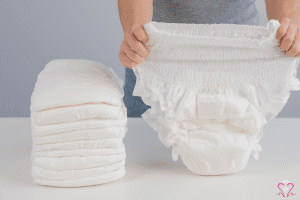
In 2026, aging adult diapers have become thinner, more absorbent, and breathable while maintaining discretion and comfort. Many feature advanced odor control and moisture-wicking technology to reduce skin irritation. Popular brands now offer gender-specific designs that fit anatomical differences for enhanced leak protection and comfort.
Smart Incontinence Products
Cutting-edge smart incontinence products now offer embedded sensors that notify caregivers or seniors via smartphone apps when a change is needed. These innovations help reduce unnecessary checks at night, preserving sleep quality and saving caregivers time. Some products also track usage patterns, assisting healthcare providers with bladder health monitoring.
Eco-Friendly and Sustainable Options
With increased focus on environmental responsibility, many senior incontinence products in 2026 emphasize biodegradable materials and recyclable packaging. For caregivers and families concerned about ecological impact, these products offer responsible alternatives without sacrificing protection or comfort.
Choosing the Right Senior Incontinence Supplies
Assessing the Level of Absorbency Needed
Choosing supplies begins with understanding the severity of bladder control issues. Products range from light pads suitable for minor leaks to heavy absorbency adult diapers designed for extended use. Many brands now offer adjustable absorbency levels to accommodate changes over time.
Considering Mobility and Lifestyle
Active seniors may prefer slim, discreet pads or underwear-style products allowing easy movement. For those with limited mobility or dementia, more secure and higher absorbency options such as pull-up briefs or disposable underwear can provide peace of mind for caregivers.
Material and Skin Health Considerations
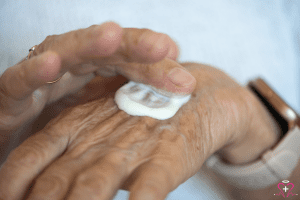
Sensitive skin is common among seniors, requiring breathable fabrics and skin-friendly materials. Many products now incorporate aloe vera-infused liners and pH-balanced moisture barriers to prevent rashes or pressure sores. Using barrier creams in combination with supplies can further protect skin health (barrier creams).
Top Incontinence Products for Seniors in 2026
Absorbent Pads for Seniors
Incontinence pads remain a staple for light to moderate leakage. Modern pads offer sticky backing strips to stay securely in place and are available in various sizes for different levels of protection. Products like reusable pads with washable fabrics have also gained traction for sustainability-focused families.
Aging Adult Diapers and Protective Underwear
For heavier incontinence, aging adult diapers and protective underwear provide extended protection with easy-to-change designs. Many come with adjustable tabs, elastic leg cuffs, and wetness indicators to ensure timely changes. Brands featured in the latest reviews often balance absorbency with discretion for everyday use.
Bed Pads and Liners
Nighttime incontinence can be managed effectively with waterproof bed pads and liners that protect mattresses and bedding. These products in 2026 emphasize comfort and ease of laundering with waterproof yet breathable materials ensuring dryness without overheating.
Managing Incontinence: Tips for Caregivers
Creating a Supportive Environment
Caregivers play a vital role in managing incontinence by ensuring supplies are used correctly and consistently. Setting up a comfortable, accessible bathroom space and establishing routines can help seniors feel empowered. Our Free In-Home Care for Seniors in Los Angeles program provides expert guided assistance for families facing these challenges.
Proper Application and Disposal
Using the right technique for applying and disposing of incontinence supplies helps maintain hygiene and skin health. It is important to change supplies as soon as they become wet to prevent infection and discomfort. Many newer product designs feature easy disposal systems to streamline the process.
Monitoring Skin Health and Hygiene
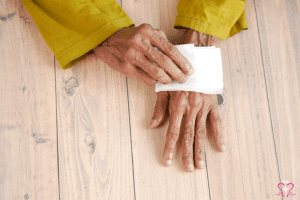
Maintaining skin integrity is crucial. Frequent cleansing with gentle wipes and use of barrier creams can prevent rashes and pressure sores. Our adult wipes and barrier cream services at What we Provide are tailored for sensitive senior skin.
Incontinence and Healthcare Coordination
When to Consult Healthcare Professionals
If incontinence is sudden or worsening, it is essential to seek medical advice. Conditions like urinary tract infections, prostate issues, and neurological disorders can contribute to symptoms. Coordination with primary care physicians and specialists in urology or geriatrics ensures comprehensive care (urology, primary care).
The Role of Home Health Care for Seniors
Many seniors benefit from professional Home Health Care for Seniors services, where skilled aides assist with incontinence management, medication, and mobility support. Our Our Services section details the comprehensive options available to families.
Hospice Care and Incontinence Management
When incontinence occurs in advanced illness stages, dignified management is essential. Hospice Care programs integrate incontinence supplies with pain and symptom management to uphold quality of life during end-of-life care.
Cost Management and Access to Supplies
Insurance and Medicare Coverage Updates for 2026
In 2026, Medicare and various insurance plans continue to evolve coverage for incontinence supplies. Many seniors can receive partial or full benefits depending on medical necessity documentation. Staying informed about recent updates helps families maximize benefits.
Free and Subsidized Supply Programs
Our team at All Seniors Foundation works closely to connect seniors with programs providing free medical supplies for seniors including incontinence products. Additionally, local nonprofits and government services offer subsidies and bulk supply options.
Shopping Smart for Incontinence Supplies
Buying in bulk, selecting subscription services, and comparing product reviews are effective strategies to manage costs without compromising quality. Many manufacturers also provide free samples to help seniors find comfortable fits before purchasing.
Additional Tools and Resources for Senior Caregivers
Incontinence Liners and Wipes
Disposable liners allow seniors to add an extra layer of protection within regular underwear, ideal for light bladder issues or transitional phases. Coupled with sensitive adult wipes, they form a hygienic routine that supports skin health (incontinence liners, wipes for adults).
Barrier Creams and Odor Eliminators
Barrier creams mitigate skin breakdown caused by moisture exposure, a critical component in long-term incontinence care. Modern odor eliminators blended with natural ingredients help maintain confidence and freshness in caregiving environments (odor eliminator, barrier creams).
Seek Support and Education
Caregivers can benefit from support groups, training programs, and consultations. Our extensive resources at All Seniors Foundation provide guidance on best practices and connect families with expert advisors through Contact Us.
FAQ: Senior Incontinence Supplies and Care
What types of incontinence supplies work best for seniors with limited mobility?
For seniors with limited mobility, highly absorbent adult diapers or pull-up briefs with secure tabs are recommended for ease of changing and leak protection. Bed pads can be used to protect bedding during nighttime.
Are there discreet options that look like regular underwear?
Yes, many brands offer gender-specific absorbent underwear with slim profiles and breathable fabrics designed to look and feel like regular underwear while offering protection.
How often should incontinence supplies be changed?
Supplies should be changed as soon as they are wet or soiled to prevent skin irritation and infection. On average, this might be every 3-4 hours but varies based on absorbency and individual needs.
Can incontinence supplies help prevent skin irritation?
Yes, using quality supplies made from breathable and moisture-wicking materials combined with regular hygiene and barrier creams can significantly reduce skin issues.
Are there any programs to help cover the cost of incontinence products?
Many insurance providers including Medicare offer coverage for incontinence supplies when prescribed by a physician. In addition, programs at All Seniors Foundation can connect seniors with free or subsidized supplies.
How can caregivers support seniors struggling emotionally with incontinence?
Caregivers should provide empathy, reassurance, and maintain dignity by encouraging independence and using discreet supplies. Seeking support from counseling services and support groups can also help.
Key Takeaways
- Incontinence is a common challenge among seniors but manageable with modern, specialized products.
- Innovations in 2026 include smart sensors, eco-friendly materials, and gender-specific designs for better comfort and effectiveness.
- Choosing the right supplies depends on absorbency needs, mobility, and skin sensitivity.
- Caregivers benefit from education, proper hygiene practices, and access to professional home health care services, such as those provided by Home Health Care for Seniors.
- Financial and community resources, including Free In-Home Care for Seniors in Los Angeles, assist in obtaining affordable supplies.
- Ongoing support from healthcare providers and hospice programs helps maintain senior dignity and comfort throughout all stages of care.
For more information on senior care and support services, visit All Seniors Foundation or explore What we Provide to learn about comprehensive resources available to seniors and their families.