Introduction to Senior Home Medical Equipment in 2026-2027
As our population ages, more seniors and their families are choosing to age in place—remaining comfortable and independent in their own homes for as long as possible. Innovations in senior home medical equipment and elderly safety devices in 2026-2027 continue to make this goal more achievable, allowing seniors to maintain their dignity and quality of life while ensuring safety and support.
Our team at All Seniors Foundation understands how important it is to stay informed on the latest in aging in place medical devices and caregiver home health tools. This comprehensive guide covers the most effective and modern equipment available today that enhance safety, mobility, and health monitoring for seniors. Whether you’re a caregiver or a senior planning ahead, this article provides actionable insights to help you make the best decisions for retirement age medical technology.
1. Fall Prevention and Detection Equipment
Smart Fall Detection Devices
Falls remain a leading cause of injury among seniors. In 2026, the latest fall detection systems integrate artificial intelligence and machine learning for higher accuracy. These devices analyze movement patterns and distinguish between a fall and a sudden sit-down or drop to minimize false alarms.
- Smartwatches and pendants: Wearable devices such as the newest versions of medical alert watches can now detect falls instantly and send alerts to caregivers or emergency services.
- Smart home sensors: Non-wearable sensors installed throughout the home use motion detectors, floor pressure technology, and AI cameras to recognize falls and even assess ambient environmental risks.
Improved Non-Slip Flooring and Supports
Modern elderly safety devices include advanced non-slip flooring materials that are easier to install and blend aesthetically with home decor. Additionally, enhanced grab bars and handrails with ergonomic designs provide better grip and support.
Robotic Assistants and Mobility Monitoring
Robotic home assistants equipped with fall detection can offer real-time assistance. These devices notify caregivers immediately while also monitoring mobility and activity levels—helping prevent falls before they occur.
2. Mobility Aids and Devices
Next-Generation Walkers and Rollators
2026 brings walkers and rollators with sensor-assisted navigation, automatic braking, and health tracking capabilities. These smart mobility aids also feature lightweight materials combined with ergonomic designs to reduce fatigue.
Stair Lifts and Elevators
Modern stair lifts are quieter, more compact, and customizable for different home layouts. They often include remote-control features and safety sensors, ensuring effortless and safe use for seniors with mobility challenges.
Wheelchairs with Sensor Technology
Electric wheelchairs now incorporate fall prevention sensors and health tracking devices, alerting caregivers if the user becomes immobile or experiences sudden health changes. Some models also feature environmental controls linked to home automation systems.
3. Remote Health Monitoring Systems
Vital Signs Monitoring Wearables
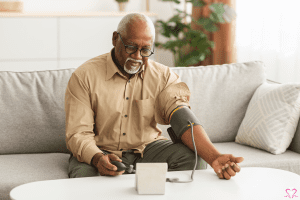
The latest devices monitor blood pressure, heart rate, oxygen saturation, and glucose levels continuously, transmitting data securely to caregivers or healthcare providers. In 2026, these wearables use cloud AI analytics to predict potential health risks.
Environmental Health Sensors
Indoor air quality monitors, humidity sensors, and temperature trackers help maintain healthy living conditions for seniors, especially those with respiratory conditions such as COPD or asthma.
Medication Adherence Technologies
Smart pill dispensers with reminders, lock features, and remote monitoring capabilities enhance medication management. Some even integrate with smartphones to notify caregivers if a dosage is missed.
4. Emergency Response Systems
Advanced Medical Alert Systems
The new generation of medical alert systems offers fall detection, GPS tracking, and mobile connectivity, enabling seniors to receive emergency help anywhere — at home or on the go. Voice-activated systems and AI-powered platforms ensure rapid responses with fewer false alarms.
Home Automation for Emergency Situations
Integration with smart home technology means seniors can trigger emergency alerts using voice commands or simple gestures. Automated lighting and doors also activate during emergencies to assist first responders and reduce injury risk.
Two-Way Communication Devices
Hands-free, waterproof communication devices allow seniors to speak directly with emergency operators without needing to reach for a phone, providing invaluable peace of mind during critical moments.
5. Bathroom Safety Tools and Equipment
Walk-In Tubs and Showers
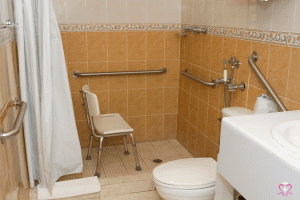
New walk-in tubs and barrier-free showers with built-in seating, anti-slip surfaces, and temperature regulation are designed to prevent slips and burns. Sensor-activated faucets and drains enhance convenience and safety.
Toilet Safety Frames and Bidets
Toilet assist devices with ergonomic armrests and adjustable heights improve stability. Modern bidet attachments feature temperature control and automated cleansing, aiding seniors with limited mobility and improving hygiene.
Smart Bathroom Monitoring
Motion sensors and humidity detectors in the bathroom alert caregivers to unusual patterns such as prolonged inactivity or water leaks, preventing accidents and water damage.
6. Sleep and Comfort Enhancements
Pressure-Relieving Mattresses and Bed Sensors
Advanced mattresses designed for seniors provide pressure relief to prevent bedsores and improve sleep quality. Integrated sensors monitor movement, respiration, and heart rate, alerting caregivers about potential health concerns.
Adjustable Beds with Safety Features
Electric adjustable beds with fall prevention rails and easy-to-use controls enhance comfort and reduce injury risk, enabling seniors to change positions independently.
Smart Lighting for Safe Nighttime Movement
Motion-activated lighting systems provide gentle illumination during night visits to the bathroom or kitchen, minimizing the risk of trips and falls in the dark.
7. Kitchen Safety and Accessibility Devices
Smart Appliances with Safety Lockouts
Modern kitchen appliances offer automatic shutoff features and remote control capabilities, reducing risks of fires or accidents when seniors cook independently.
Ergonomic Utensils and Assistive Devices
Adaptive kitchen tools such as easy-grip utensils, jar openers, and stability-enhanced cutting boards help seniors with arthritis or reduced hand strength maintain independence.
Environmental Sensors for Gas and Smoke
Advanced detectors provide real-time alerts for gas leaks or smoke, connected to smartphones or emergency systems to ensure a rapid response.
8. Cognitive and Emotional Support Technologies
Memory Aids and Reminder Systems
Digital calendars, voice-activated assistants, and medication reminder apps support seniors with mild cognitive decline, helping them maintain routines and independence.
Virtual Companions and Social Robots
Robots designed to offer companionship can engage seniors in conversation, monitor mood changes, and provide reminders — addressing loneliness and improving mental health.
Telehealth and Cognitive Training Tools
Interactive platforms now provide cognitive games and remote therapy, allowing seniors to stay mentally active and connected with healthcare providers from home.
9. Caregiver Home Health Tools
Remote Monitoring Dashboards
Caregivers benefit from user-friendly platforms that aggregate health data, activity levels, and emergency alerts, enabling timely interventions without being physically present.
Portable Diagnostic Devices
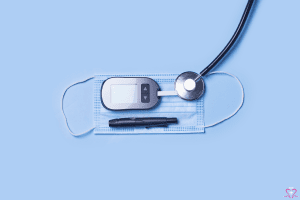
Handheld devices for measuring vitals, oxygenation, and glucose levels empower caregivers to perform basic health checks during home visits or on-demand monitoring.
Communication and Scheduling Apps
Coordinated care apps streamline communication among medical professionals, family members, and caregivers, improving scheduling and ensuring consistency in care routines.
Frequently Asked Questions (FAQ)
Q1: How do I choose the right medical equipment for my elderly loved one?
Consider their specific health needs, mobility, cognitive status, home layout, and preferences. Consulting with healthcare professionals and using resources like All Seniors Foundation can guide you to suitable devices.
Q2: Are modern medical alert systems costly?
Prices vary widely, but many systems offer affordable subscription plans. In 2026, increased competition and technology improvements have made advanced devices more accessible for seniors on fixed incomes.
Q3: How do smart home devices protect senior privacy?
Leading manufacturers comply with strict data protection regulations, use encrypted transmissions, and allow users to control what data is shared and with whom, maintaining privacy while ensuring safety.
Q4: Can these devices adapt as a senior’s needs change?
Many modern devices are modular and customizable. For example, wearable health monitors often allow for new sensor additions, and smart home systems can be expanded over time.
Q5: How do caregivers monitor seniors remotely without being intrusive?
Remote monitoring tools focus on health data and safety alerts without constant live video feeds. This balance respects privacy while ensuring prompt care when needed.
Q6: What new technologies are emerging in senior home medical equipment?
Expect growth in AI-driven predictive health analytics, integration with virtual reality therapies, and further advancements in robotic assistance in 2027 and beyond.
Key Takeaways
- Innovations in fall detection, mobility aids, and emergency response systems greatly enhance senior safety at home in 2026-2027.
- Remote health monitoring and smart environmental sensors provide continuous oversight without sacrificing independence.
- Bathroom, kitchen, and bedroom safety equipment reduce accident risks and support daily living activities.
- Cognitive and emotional support technologies address mental health and social needs for aging seniors.
- Caregiver tools streamline communication, improve monitoring, and reduce caregiver burden while respecting privacy.
- Our team at All Seniors Foundation encourages families to stay informed and adopt the best retirement age medical technology to help seniors live their best lives safely and independently.