Note: This informational article is not a substitute for medical, diagnostic, legal, benefits, safety, or professional advice. Always speak with the appropriate qualified professional about elder law, medical equipment, testing, IHSS eligibility, cardiology care, incontinence supplies, or care decisions.
Introduction: Embracing Senior Independence Through Home Medical Equipment
As more seniors choose to age comfortably in their own homes, the demand for advanced home medical equipment continues to grow in 2026. Today’s technologies empower seniors to maintain safety, independence, and an enhanced quality of life. At All Seniors Foundation, we are dedicated to guiding seniors and their families through the best options for home health devices and aging-in-place medical tools designed for today’s unique needs.
This comprehensive article explores the top home medical equipment options available in 2026, tailored to both elder safety and caregiver support. From fall prevention tools to smart health monitoring, we cover the vital devices that help seniors thrive in their familiar environments.
1. Mobility and Fall Prevention Devices
Smart Walkers and Rollators
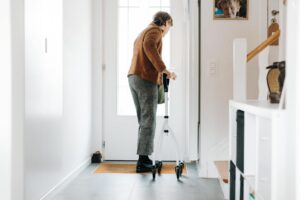
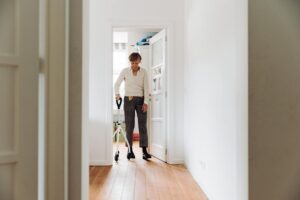
Modern walkers and rollators have evolved beyond basic frames. In 2026, smart walkers offer integrated features such as GPS tracking, fall alerts, and digital tread counters to track usage and encourage safe mobility. Many models come equipped with ergonomic designs to reduce strain and include adaptive brakes for uneven terrains. Seniors benefit from lightweight materials and foldability for easy transport.
Fall Detection Sensors and Alarms
Falls are the leading cause of injury among seniors. Advances in fall detection technology include wireless sensors installed on floors, beds, and wheelchairs combined with wearable devices that automatically alert caregivers or emergency services when a fall is detected. New sensor systems in 2026 boast improved accuracy with AI-assisted algorithms that reduce false alarms, ensuring timely responses.
Non-Slip Flooring and Support Rails
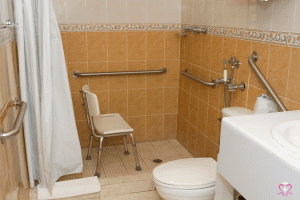
Integrating home modifications with specialized equipment is essential. Non-slip mats and adhesive flooring strips now incorporate antimicrobial coatings, reducing infection risks in frequently used areas. Support rails and grab bars come with pressure-sensitive lighting and adjustable grips, allowing seniors with varying strength levels to maneuver safely.
2. Remote Health Monitoring and Telehealth Devices
wearable Health Trackers
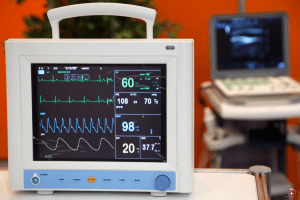
wearable devices designed for seniors have become more user-friendly than ever in 2026. These devices continuously monitor vital signs such as heart rate, blood oxygen saturation (SpO2), blood pressure, and ECG data. Many now feature fall detection and medication reminders, transmitted seamlessly to caregivers and healthcare providers via secured cloud platforms.
At-Home Diagnostic Kits
Home diagnostic tools including blood glucose monitors, INR testing devices for anticoagulants, and digital spirometers for lung function have improved in precision and ease of use. Integrated smartphone apps guide seniors through the testing process and securely share results with medical professionals, reducing unnecessary clinical visits. Regulatory approvals have increased device reliability and insurance reimbursements.
Telehealth Integration and Support Devices
Telehealth remains crucial for seniors who face mobility or transportation barriers. Equipment such as high-resolution, adjustable tablets and remote examination kits (including digital stethoscopes and otoscopes) enable remote consultations from home. Devices now feature AI-driven symptom checkers, proactively alerting seniors or caregivers when medical attention may be necessary.
3. Medication Management Systems
Automated Pill Dispensers
Medication adherence is a significant challenge for seniors with complex regimens. Automated pill dispensers in 2026 come with programmable reminders, voice alerts, and lockable compartments to prevent accidental overdosing. Advanced models can notify caregivers if doses are missed and even reorder prescriptions automatically.
Smart Medication Tracking Apps
Smartphone and tablet apps designed specifically for seniors help track medication schedules, provide refill reminders, and offer interaction warnings. Many apps integrate with home medical equipment and health monitoring devices to provide comprehensive care coordination between seniors, family members, and healthcare providers.
Assistive Devices for Visual and Physical Impairments
For seniors with vision or dexterity challenges, large-button electronic pill organizers, magnifying pill case labels, and voice-command medication devices have become invaluable tools in ensuring safe and independent medication management.
4. Assisted Living Technology for Daily Activities
Smart Home Integration
Home automation tailored for elderly safety and convenience continues to expand. Voice-activated lighting, temperature control, and security systems enhance accessibility. In 2026, smart home hubs are optimized to recognize and respond to emergency voice commands or unusual activity patterns indicative of distress.
Adaptive Kitchen and Bathroom Equipment
Accessible kitchen appliances like intelligent stovetops that automatically shut off after inactivity, and refrigerators with inventory tracking, help seniors manage cooking safely. In bathrooms, walk-in tubs with hydrotherapy features, adjustable showerheads, and automated faucets reduce fall risks while enhancing comfort.
Robotic Assistance and Mobility Aids
Latest robotic assistants provide help with tasks such as fetching items, reminders, and social interaction, supporting seniors who live alone. Mobility devices like powered wheelchairs and stair-climbing scooters leverage AI-assisted navigation and obstacle avoidance for safer, hassle-free movement indoors and outdoors.
5. Safety and Emergency Response Systems
Personal Emergency Response Systems (PERS)
PERS devices remain a cornerstone of senior safety. In 2026, advanced systems include fall detection, GPS location services, and integration with smart home devices. wearable pendants and bracelets are waterproof and have extended battery lives, ensuring reliable service around the clock.
Home Security Systems
Modern security setups combine motion detectors, door/window sensors, and video surveillance with AI analytics to detect unusual behavior patterns. Seniors and caregivers can monitor homes remotely with real-time alerts on smartphones and tablets, providing peace of mind even when away.
Emergency Lighting and Power Backup
Automated emergency lighting systems activate during power outages or alarms, illuminating pathways safely. Portable power stations and medical-grade UPS (uninterruptible power supplies) are critical for running oxygen concentrators and other vital equipment during blackouts.
6. Respiratory and Cardiovascular Support Equipment
Portable Oxygen Concentrators
Portable oxygen concentrators in 2026 are smaller, quieter, and deliver customized oxygen flow efficiently. Features include smart monitoring to adjust oxygen delivery based on activity level and integration with smartphone apps to track usage and notify caregivers of issues.
CPAP and BiPAP Machines
Sleep apnea treatment devices continue to improve with noise reduction technology and enhanced comfort features like heated humidifiers and adaptive pressure settings. Connectivity options allow remote monitoring by clinicians, enabling real-time adjustments without clinic visits.
Blood Pressure and Heart Health Devices
Home blood pressure monitors are now equipped with Bluetooth connectivity and AI analysis to identify cardiovascular risks early. Some devices also monitor heart rhythms and send irregularity alerts, supporting proactive care and reducing hospitalizations.
7. Cognitive Support and Communication Tools
Memory Aids and Reminder Systems
For seniors experiencing cognitive decline, electronic reminder devices help with daily routines, appointments, and medication schedules. Smart clocks and calendar displays are customizable and easy to read, reducing stress for both seniors and caregivers.
Communication Devices Optimized for Seniors
Tablets and phones designed with senior-friendly interfaces focus on larger icons, simplified apps, and voice command functionality. Video calling devices now include presets to quickly connect to family, friends, or healthcare providers, minimizing technology barriers.
Assistive Devices for Hearing and Vision Impairments
Advanced hearing aids with AI noise filtering provide clear sound in any environment. Screen readers, magnifiers, and adjustable lighting systems enhance daily life for visually impaired seniors, making communication and entertainment more accessible.
8. Supporting Caregivers with Smart Tools
Remote Monitoring Dashboards
Caregivers benefit from smart platforms that aggregate data from multiple home medical devices, enabling centralized management of a senior’s health. Real-time notifications and trend analytics help anticipate concerns before they become emergencies.
Automated Scheduling and Care Coordination
Software solutions coordinate appointments, medication schedules, and therapy sessions for multiple seniors, reducing caregiver burnout and ensuring consistent care delivery. AI-powered virtual assistants can answer routine questions and provide reminders to both seniors and caregivers.
Education and Training Tools
Virtual reality and augmented reality training modules provide caregivers up-to-date protocols on equipment use, emergency response, and mobility support, enhancing confidence and competence in home care environments.
Frequently Asked Questions (FAQs)
1. What home medical equipment is essential for all seniors living independently?
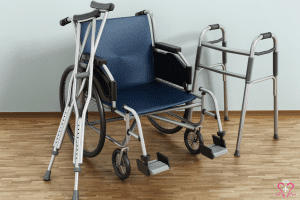
Basic but essential equipment includes fall detection devices, personal emergency response systems, mobility aids like walkers or canes, medication management tools, and health monitoring devices such as blood pressure monitors.
2. How can technology help seniors with memory loss manage daily tasks?
Memory aids such as electronic pill dispensers with alarms, smart calendars, and voice-activated reminders can support routine adherence and reduce confusion. Communication devices tailored for seniors also help maintain social connections, which benefit cognitive health.
3. Are insurance plans covering high-tech home medical equipment?
In 2026, many insurance providers and Medicare Advantage plans have expanded coverage for advanced senior home medical equipment, including remote health monitoring and telehealth devices. It’s important to verify eligibility and pre-authorization requirements with your insurance provider.
4. How do I ensure the home medical equipment is user-friendly for seniors?
Look for devices with intuitive interfaces, large displays, voice commands, and customizable settings. Many manufacturers offer training and customer support tailored to seniors and their caregivers to ease the learning curve.
5. What role do caregivers play in managing home medical equipment?
Caregivers facilitate setup, maintenance, and monitoring of equipment. With smart monitoring tools, caregivers can receive alerts and real-time health data, enabling timely interventions while promoting senior independence.
6. How can I integrate multiple home health devices for better care coordination?
Choose devices compatible with centralized health platforms or apps that aggregate data securely. Discuss integration options with your healthcare provider to streamline communication and optimize equipment use.
Key Takeaways
- Senior home medical equipment in 2026 emphasizes safety, independence, and ease of use through smart technology integration.
- Fall prevention and mobility aids remain critical, with innovations like AI-powered sensors and ergonomic designs enhancing daily function.
- Remote health monitoring and telehealth devices enable proactive management of medical conditions and reduce unnecessary clinic visits.
- Medication management systems ensure better adherence, safety, and caregiver support through automation and smart apps.
- Home automation and adaptive tools improve safety and convenience in daily activities such as cooking, bathing, and communication.
- Emergency response systems and power backup solutions provide peace of mind for seniors and families alike.
- Cognitive and sensory support technologies help seniors maintain mental acuity and social connectivity.
- Caregivers benefit from integrated monitoring platforms and educational tools that support high-quality, coordinated care.
Our team at All Seniors Foundation remains committed to providing up-to-date guidance on the best home health devices for seniors. By embracing the latest innovations in home medical equipment, seniors can enjoy safer, more independent, and fulfilling lives in their own homes throughout 2026 and beyond.
Related Senior Support From All Seniors Foundation
All Seniors Foundation helps older adults and caregivers in Los Angeles County ask about durable medical equipment, mobility devices, safer home setup, and medical equipment assistance. Equipment choices should match the senior’s health needs, home layout, comfort, fall risk, and professional guidance.
This article is informational and not medical or safety advice. Speak with a qualified healthcare professional before choosing equipment for a medical condition, mobility concern, or fall-risk issue.