Introduction to Durable Medical Equipment Trends for Seniors in 2025-2026
The landscape of durable medical equipment (DME) is rapidly evolving to better meet the needs of today’s seniors. Innovations in technology, design, and insurance coverage are shaping new ways for older adults to maintain their independence, safety, and comfort. As we navigate 2025 and look ahead to 2026, it’s important for seniors and caregivers to understand the latest developments in senior mobility aids, wheelchair technology, hospital beds, and more.
Our team at All Seniors Foundation is dedicated to helping seniors live their best lives through access to the most modern and effective DME options. This comprehensive article explores the top trends in durable medical equipment, providing valuable insights into how seniors can benefit from advances in this crucial area of healthcare.
1. Revolutionary Advances in Senior Mobility Aids
Smart Walkers and Rollators
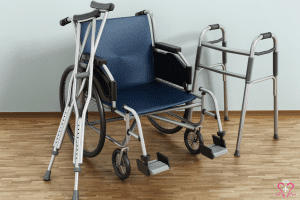
In 2025, smart walkers and rollators have become a standout trend in senior mobility aids. These devices now integrate sensors and AI technology that monitor gait stability, alert users about obstacles, and even connect to smartphones or emergency services for added safety. The latest models come equipped with features like automatic braking systems and ergonomic designs that reduce strain on arms and wrists.
Lightweight and Compact Designs
Modern mobility aids have shifted towards lighter, foldable materials such as carbon fiber and advanced polymers. This development helps seniors easily transport devices when traveling and store them without hassle. Enhanced portability means seniors can enjoy outings and social engagements with greater confidence and convenience.
Customization and Comfort Enhancements
Manufacturers now offer customized grips, adjustable handle heights, and seating options tailored to individual ergonomic needs. These improvements reduce the risk of repetitive strain injury and improve overall comfort, encouraging longer usage and better mobility outcomes.
2. The Latest Wheelchair Technology in 2025
Power Wheelchairs with AI-Powered Navigation
Wheelchair technology has taken a leap forward with AI-powered navigation systems in 2025. These power wheelchairs can detect and maneuver around obstacles autonomously, providing users with greater freedom and safety. Sensors continually scan surrounding environments—both indoors and outdoors—to optimize route planning.
Lightweight Electric Wheelchairs and Extended Battery Life
Electric wheelchairs are increasingly incorporating lighter frames combined with battery technology that now allows extended use times—often exceeding 24 hours on a single charge. This is a significant improvement from previous models and supports more active lifestyles and uninterrupted travel for seniors.
Health-Integrated Monitoring Features
Many wheelchairs now come with built-in health monitoring capabilities such as heart rate sensors, posture detection, and fall alerts. These features connect to mobile apps and caregivers’ devices, enabling proactive health management and immediate assistance when needed.
3. Modern Hospital Beds for Elderly Care in 2025-2026
Adjustable Beds with Smart Controls
Hospital beds designed for seniors have improved with intuitive smart controls allowing easy adjustment of head, foot, and overall bed height. Voice activation and touchscreen panels are becoming standard, enabling users to make quick position changes that relieve pressure and improve circulation.
Pressure-Relief and Anti-Bedsores Technologies
Advanced mattresses featuring air-fluidized or alternating pressure technology help prevent bedsores—a common issue among seniors with limited mobility. These beds automatically adjust surface firmness and pressure zones, promoting skin health during long-term bed use.
Integration with Health Monitoring Systems
Modern hospital beds can now sync with wearable devices and external health monitoring systems to provide continuous vital sign tracking. This integration supports quick intervention by caregivers and improves personalized care for elderly patients.
4. Improving Senior Safety with Fall Detection and Prevention DME
wearable Fall Detectors
2025 sees an increase in the use of wearable fall detection devices that combine GPS, accelerometers, and AI to accurately detect falls and notify emergency contacts in real time. Many devices are lightweight, water-resistant, and stylish enough for everyday wear.
Floor and Bed Alarm Systems
Pressure-sensitive floor mats and bed alarms alert caregivers when a senior attempts to get up unassisted, reducing the risk of falls during nighttime hours or periods of confusion. Advanced models offer customizable sensitivity levels and silent alarm options for discreet monitoring.
Environmental Modifications with Smart Sensors
Smart home sensors now interface with durable medical equipment to monitor lighting, hallway clearances, and temperature control—critical factors in fall prevention. These sensors alert both seniors and caregivers to potential hazards, making homes safer and more supportive.
5. How to Get Durable Medical Equipment Insurance Coverage in 2025
Understanding Current Insurance Policies for DME
As of 2025, most Medicare Advantage plans and private insurers have expanded their coverage for durable medical equipment to include many newer technologies. The first step is to verify which devices are covered under your plan and whether pre-authorization is required.
Documentation and Prescriptions
Insurance companies typically require a prescription from a licensed healthcare provider that outlines the medical necessity of the DME. Our team at All Seniors Foundation recommends maintaining clear communication with your doctor to ensure all paperwork meets insurer requirements.
Tips for Navigating Claims and Appeals
If coverage is initially denied, seniors and caregivers should not hesitate to file an appeal. Providing detailed reports from healthcare professionals, product brochures, and demonstrating the device’s role in improving quality of life often leads to successful outcomes.
6. Innovations in Respiratory and Home Care Equipment
Portable Oxygen Concentrators
The new generation of portable oxygen concentrators in 2025 are smaller, quieter, and more energy-efficient. These devices allow seniors with respiratory conditions to remain mobile while maintaining steady oxygen levels, with smart features like battery status alerts and Bluetooth connectivity.
Advanced CPAP Machines for Sleep Apnea
CPAP devices now include adaptive pressure technology that adjusts in real time based on breathing patterns, improving comfort and compliance. Integration with smartphone apps helps users track their therapy progress and receive motivational coaching.
Remote Monitoring for Chronic Conditions
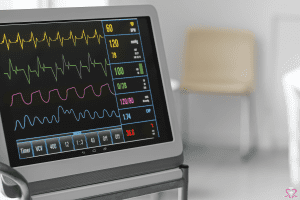
Home care equipment is increasingly embedded with remote monitoring capabilities, allowing healthcare providers to track parameters such as blood oxygen, respiratory rate, and medication adherence. These technologies enable timely interventions and reduce hospital readmissions.
7. The Role of Telehealth and Smart Devices in Modern DME
Telehealth Integration for Equipment Fitting and Training
Telehealth has become vital for seniors learning to use complex DME. Virtual consultations with therapists and DME specialists make it easier for seniors to get personalized device adjustments and training without leaving home.
Smart Devices and Apps for Equipment Management
Smartphone apps paired with DME devices allow users to monitor battery life, schedule maintenance, and receive safety reminders. These digital tools promote independence and ensure equipment remains in optimal working condition.
Virtual Caregiving Support Systems
Remote caregivers can use apps and connected devices to track seniors’ activity and device usage patterns, providing reassurance and facilitating timely support. Enhanced security features also protect privacy while enabling effective remote monitoring.
8. Adaptive Clothing and Accessories Complementing Durable Medical Equipment
Clothing Designed for Ease of Dressing
Adaptive clothing with magnetic closures, elastic waistbands, and sensor-activated fabric helps seniors dress independently, which enhances the effective use of mobility aids and hospital beds. Designers focus on comfort, dignity, and style to support seniors’ self-esteem.
Accessories for Equipment Maintenance and Safety
New accessory lines include lightweight tool kits for wheelchair maintenance, anti-slip gloves, and stylish covers that protect DME devices while matching individual tastes. Such innovations extend the lifespan of equipment and improve user experience.
Seasonal and weather-Appropriate Gear
Specialized jackets, gloves, and rain protection designed for seniors using mobility devices ensure comfort and safety in all seasons. weatherproof materials and thermal regulation are priorities in 2025’s product offerings.
9. Cost-Effective Strategies for Acquiring Durable Medical Equipment
Exploring Rental Options Versus Purchase
In 2025, renting DME has become more accessible and favorable for seniors needing temporary solutions. Renting can be a cost-effective way to access high-tech mobility aids or hospital beds without a long-term financial commitment.
Utilizing Community Programs and Grants
Many local and national organizations offer grants or loan programs to seniors for obtaining essential DME. Our team at All Seniors Foundation encourages families to research these options for assistance with costs.
Buying Refurbished and Certified Equipment
Certified refurbished equipment provides a budget-friendly alternative while ensuring quality and safety. Buyers should always confirm proper certification and warranty coverage when considering this option.
Frequently Asked Questions (FAQs)
1. What types of durable medical equipment are most recommended for seniors in 2025?
Mobility aids like smart walkers and electric wheelchairs, adjustable hospital beds with smart controls, and respiratory devices with remote monitoring stand out as top recommendations.
2. How can seniors ensure their durable medical equipment is covered by insurance?
Engage with healthcare providers for proper documentation, verify your insurance plan’s current coverage for advanced devices, and be prepared to file appeals if necessary.
3. Are there new safety features in mobility aids that reduce fall risk?
Yes, many devices now include AI-powered obstacle detection, automatic brakes, and smart fall detection alerts integrated with caregiver notifications.
4. How does telehealth improve the use of durable medical equipment?
Telehealth provides remote device training, maintenance consultations, and real-time health monitoring, increasing user confidence and device effectiveness.
5. What should seniors look for when purchasing a new hospital bed?
Prioritize adjustable features with smart controls, pressure-relief mattresses, health monitoring integration, and compatibility with your care routine.
6. Can durable medical equipment be customized for individual needs?
Absolutely. Modern DME often comes with adjustable components, ergonomic designs, and personalized fittings to provide maximum comfort and usability.
Key Takeaways
- The durable medical equipment landscape in 2025-2026 focuses heavily on smart technology integration, enhancing safety, comfort, and independence for seniors.
- Senior mobility aids such as smart walkers and electric wheelchairs with AI navigation are revolutionizing everyday movement.
- Modern hospital beds offer customizable settings and advanced pressure relief to improve long-term care outcomes.
- Insurance coverage has expanded for many innovative DME products, but seniors must ensure proper documentation and be proactive during claims.
- wearable fall detectors, smart home sensors, and remote patient monitoring play a vital role in fall prevention and health management.
- Telehealth services and smart applications complement DME by offering virtual training, tracking, and remote caregiver support.
- Cost-efficient alternatives include equipment rental, community grants, and purchasing certified refurbished items.
Staying informed about the latest durable medical equipment trends empowers seniors and their families to make choices that enhance quality of life. The All Seniors Foundation remains committed to providing trusted guidance as you navigate these exciting innovations.