Introduction to Senior Durable Medical Equipment in 2026
As we advance into 2026, the landscape of durable medical equipment (DME) for seniors continues to evolve with technology, design innovation, and a deeper understanding of aging needs. Seniors and caregivers alike benefit from new aging aids that not only improve mobility but also enhance independence, safety, and quality of life. At All Seniors Foundation, our team is dedicated to providing seniors and their families with up-to-date information on the best devices and practical tips for everyday use.
This comprehensive guide will explore the top senior durable medical equipment available this year, focusing on mobility aids, safety devices, and retirement medical equipment essentials designed to support aging gracefully and securely.
Understanding Durable Medical Equipment (DME) for Seniors
What Qualifies as Durable Medical Equipment?
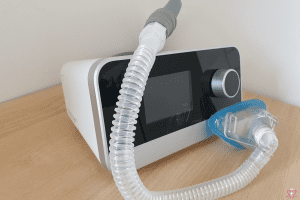
Durable medical equipment refers to any reusable medical device intended to assist with illness, injury, or age-related challenges. For seniors, this often includes mobility aids, bathroom safety equipment, respiratory devices, and various assistive tools designed to promote independence at home.
The Importance of DME in Senior Care
The right durable medical equipment can drastically reduce the risk of falls, improve mobility, ease caregiving duties, and boost overall confidence. In 2026, the demand for ergonomic, lightweight, and technology-enhanced equipment has grown, highlighting the importance of selecting the most suitable devices tailored to individual needs.
Insurance and Coverage Updates in 2026
This year, Medicare and many private insurers continue to expand coverage for essential DME products, especially mobility devices and home safety modifications. Seniors and caregivers should stay informed about updated policies and reimbursement programs to maximize benefits and reduce out-of-pocket costs.
Top Senior Mobility Aids in 2026
Modern Walkers and Rollators
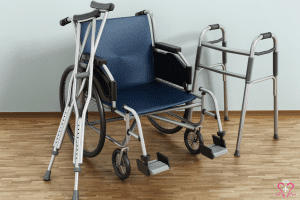
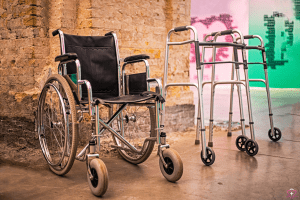
Walkers remain foundational mobility devices, but 2026 models emphasize lightweight materials such as carbon fiber and aluminum. Many feature integrated smart technology—like fall detection sensors and GPS tracking—to increase safety when seniors move independently.
- Smart Rollators: These combine mobility support with digital assistance, offering Bluetooth connectivity for caregivers and voice-activated controls.
- Modular Designs: New rollators allow part customization such as interchangeable seats, baskets, and adjustable handle grips for more ergonomic use.
Wheelchairs: Power and Manual Innovations
Both manual and powered wheelchairs have advanced significantly with lighter frames and longer battery life for electric models. Features like obstacle detection, intuitive joystick controls, and standing-frame capabilities are increasingly popular for enhancing autonomy.
Innovative Canes and Crutches
Canes in 2026 come with ergonomic grips tailored to reduce hand fatigue and improve posture. Some modern crutches include shock-absorbing tips and adjustable heights, integrating smart sensors to alert users of improper gait or slippage.
Bathroom Safety & Accessibility Equipment
Walk-In Tubs and Showers with Enhanced Features
Bathroom falls remain a top concern. The new generation of walk-in tubs and showers in 2026 includes ergonomic seating, slip-resistant flooring, and fast-draining designs. Many feature built-in temperature controls to prevent burns and offer hydrotherapy options to aid muscle recovery.
Grab Bars and Anti-Slip Mats with Smart Sensors
Traditional grab bars have evolved into smart safety aids equipped with pressure sensors to notify caregivers if unusual pressure or falls are detected. Combined with anti-slip mats made from innovative materials that maintain grip even when wet, these products create safer bathrooms for seniors.
Toilet Safety Aids and Bidets
The integration of bidet functions with heated seats and self-cleaning features has become widespread. Elevated toilet seats and adjustable armrests improve comfort and reduce strain during daily activities.
Technology-Enhanced Aging with Mobility Devices
Wearable Health and Mobility Sensors
Wearable devices have become essential companions for seniors using mobility aids. These sensors monitor gait, balance, heart rate, and falls, providing real-time alerts to both users and designated caregivers, ensuring rapid response to emergencies.
Smart Home Integration for Mobility Devices
Many seniors benefit from DME that seamlessly connects to smart home systems. Walkers and wheelchairs now include voice command features and remote controls compatible with home automation platforms, allowing users to control lighting, doors, and climate without leaving their devices.
Robotics and Exoskeletons
Though still emerging, robotic-assisted devices and exoskeletons are increasingly accessible in 2026, aiding seniors with severe mobility impairments to stand, walk, or perform repetitive physical tasks, significantly improving rehabilitation outcomes and independence.
Retirement Medical Equipment Guide: Practical Selection Tips
Assessing Individual Needs with Healthcare Professionals
Choosing the right DME begins with a thorough medical assessment. Our team at All Seniors Foundation recommends consulting occupational therapists and physical therapists to identify mobility challenges and customize equipment accordingly.
Evaluating Features, Comfort, and Durability
Look for devices that offer adjustability, comfortable ergonomics, durable construction, and warranties. Testing products personally or through a trusted medical supply provider ensures compatibility with the user’s lifestyle and home environment.
Budgeting and Insurance Considerations
Balancing cost with quality is crucial. Investigate insurance coverage and potential subsidies available in 2026. Some newer technologies may also come with affordable rental options or trial periods, allowing seniors to try products before committing financially.
Caregiver Durable Medical Equipment Tips for 2026
Supporting Mobility with Assistive Devices
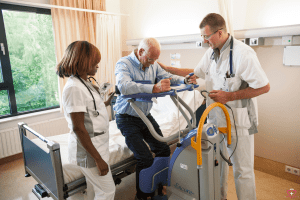
Caregivers should be trained on the correct use of mobility aids to assist seniors without causing injury. Equipment such as transfer belts, sliding boards, and mechanical lifts reduce physical strain and enhance safety during patient transfers.
Maintaining Equipment for Longevity and Safety
Regular inspection and maintenance are critical. Caregivers should routinely check brakes, tires, grips, and electric components to ensure devices function optimally, preventing accidents and costly repairs.
Incorporating Technology for Enhanced Care
The integration of remote monitoring tools helps caregivers stay connected and informed, even from a distance. Apps linked to smart devices can track medication schedules, mobility patterns, and alert caregivers about any risks or irregularities.
Home Modifications Complementing Durable Medical Equipment
Creating Barrier-Free Spaces
To maximize the benefits of mobility aids, seniors’ homes often require modifications such as ramp installations, widened doorways, and non-slip flooring. These improvements reduce fall risks and create a more accessible living environment.
Smart Lighting and Voice-Controlled Systems
Proper lighting is crucial for safe movement. Smart lighting systems with motion sensors and voice control enable seniors and caregivers to manage illumination easily, especially during nighttime bathroom trips.
Furniture Adaptations
Adjustable beds, lift chairs, and supportive seating complement DME by aiding in posture, transfers, and reducing pressure points, contributing to overall comfort and health.
Emerging Trends in Senior Durable Medical Equipment for 2027
Artificial Intelligence and Predictive Analytics
Device manufacturers are increasingly integrating AI to predict falls or medical events before they occur. These proactive systems will soon revolutionize how seniors manage their health independently.
Eco-Friendly and Sustainable Equipment
Environmental concerns influence DME production, with companies developing recyclable materials and energy-efficient power sources for devices, aligning with seniors’ growing interest in sustainable living.
Personalization and Custom 3D Printed Devices
Advances in 3D printing allow for bespoke mobility aids tailored precisely to the user’s anatomy, improving comfort and effectiveness while reducing wait times for delivery.
Frequently Asked Questions (FAQ)
What is the difference between durable medical equipment and regular medical devices?
Durable medical equipment is reusable, designed for long-term use to aid daily living, such as walkers and wheelchairs. Regular medical devices may be disposable or short-term, like wound dressings.
How can I know which mobility aid is right for my aging parent?
Consulting a healthcare provider for a mobility assessment is key. Consider the senior’s physical abilities, home environment, and lifestyle preferences to choose suitable equipment.
Are there new technologies for fall prevention in 2026?
Yes, smart sensors embedded in mobility aids and wearables help detect falls and alert caregivers immediately, reducing response times and injury severity.
Does Medicare cover durable medical equipment?
Medicare Part B typically covers necessary DME when prescribed by a doctor. Coverage terms may vary, so it’s important to check the latest guidelines and verify with your supplier.
How often should durable medical equipment be inspected or replaced?
Routine inspections should occur every 6-12 months, depending on use. Equipment may need replacement every 3-5 years or sooner if there are signs of wear, malfunction, or safety concerns.
Can assistive technology devices be customized for individual needs?
Absolutely. Many modern devices offer adjustable features or can be custom-made, such as 3D printed grips, personalized seating, or software tailored to the user’s abilities.
Key Takeaways
- Senior durable medical equipment in 2026 combines advanced technology, ergonomic design, and enhanced safety features to support aging with dignity and independence.
- Mobility aids such as smart rollators, power wheelchairs, and sensor-enabled canes are at the forefront of innovation.
- Bathroom safety equipment is now smarter and more user-friendly, significantly reducing fall risks.
- Integration with wearable health sensors and smart home systems improves both user experience and caregiver support.
- Proper assessment, maintenance, and caregiver training are essential to maximize the benefits of DME.
- Emerging trends for 2027 focus on AI-driven predictive tools, sustainability, and personalization through 3D printing.
At All Seniors Foundation, we are committed to empowering seniors and caregivers with the latest information and resources to choose and use durable medical equipment that truly enhances life every day.