Introduction to Senior Diagnostic Imaging in 2026-2027
As medical technology rapidly advances, diagnostic imaging has become an indispensable tool in healthcare, particularly for seniors. Whether it’s for detecting early signs of chronic illnesses, monitoring existing conditions, or guiding treatment plans, advanced imaging techniques like MRI, CT scans, and ultrasounds help provide clearer pictures than ever before. However, for aging individuals, the process of undergoing these tests might come with unique challenges and considerations.
Our team at All Seniors Foundation is dedicated to equipping seniors and their caregivers with the latest information to ensure a smooth, safe, and effective experience during diagnostic imaging procedures in 2026 and beyond.
Understanding Modern Diagnostic Imaging Technologies for Seniors
Overview of Imaging Modalities Commonly Used in Senior Care
Current diagnostic imaging for seniors widely includes:
- Magnetic Resonance Imaging (MRI): Utilizes magnets and radio waves to generate detailed images of soft tissues, brains, joints, and organs without ionizing radiation.
- Computed Tomography (CT) Scans: Utilizes X-rays to create cross-sectional images, often used to evaluate bone fractures, tumors, and internal bleeding.
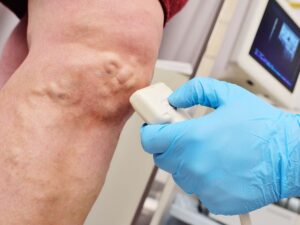
- Ultrasound: Uses sound waves, ideal for assessing blood flow, heart function (echocardiography), and abdominal organs.
- X-rays: Quick and effective for evaluating bone integrity and chest conditions.
- Positron Emission Tomography (PET): Often combined with CT for advanced tumor imaging and metabolic assessments.
Innovations in Imaging Technology Enhancing Senior Care
By 2026, several innovations directly improve the imaging experience for seniors:
- AI-Enhanced Imaging: Artificial intelligence accelerates image processing and improves diagnostic accuracy, reducing scan times and minimizing retakes.
- Low-Dose Radiation Techniques: Modern CT scanners use advanced detectors to substantially lower radiation exposure without compromising image quality—an important consideration for seniors who may require multiple scans.
- Improved MRI-compatible Implants: New developments allow seniors with pacemakers or joint replacements to safely undergo MRI under specific protocols.
- Remote and Mobile Imaging Services: To support homebound seniors, mobile imaging units and tele-radiology consultations have expanded significantly in 2026, offering greater accessibility.
Why Diagnostic Imaging is Crucial in Senior Healthcare
Diagnostic imaging helps catch health issues early, tailor treatments, and monitor progression, which is especially critical for seniors managing chronic conditions such as osteoporosis, cardiovascular disease, arthritis, and cancers.
Pre-Appointment Preparation for Seniors Undergoing Imaging
Understanding the Purpose and Procedure
Before a diagnostic imaging appointment, it’s important seniors and caregivers understand the reason for the test and what it entails. Clear, up-to-date communication from healthcare providers can reduce anxiety and improve cooperation during the procedure.
Many centers now provide virtual or in-person orientation sessions to familiarize seniors with the process, helping alleviate fears related to enclosed spaces in MRIs or discomfort during positioning.
Health Assessment and Medical History Review
In 2026, imaging centers follow stringent protocols to review a senior’s medical history focusing on:
- Any allergies, particularly to contrast dyes used in CT or MRI scans
- Presence of metal implants or electronic devices such as pacemakers
- Kidney function tests prior to contrast administration to prevent complications
- Capability to remain still or lie flat during the procedure
This medical review impacts the choice of imaging techniques and safeguards.
Fasting, Hydration, and Medication Guidelines
Updated 2026-2027 senior radiology guidelines recommend:
- Fasting: Some imaging tests require fasting for 4-6 hours, especially those involving contrast dyes.
- Hydration: Encouraging adequate fluid intake prior to and after scans helps flush out contrast agents safely.
- Medication Instructions: Some medications may need to be temporarily paused or adjusted; caregivers should ensure clear communication with healthcare providers.
Supporting Cognitive and Emotional Needs During Imaging
Addressing Anxiety and Claustrophobia
MRI scanners, despite innovations such as wider bores and noise cancellation, can still cause anxiety or claustrophobia in some seniors. Strategies to improve comfort include:
- Use of mild sedation or anti-anxiety medication prescribed ahead of the appointment
- Utilization of virtual reality relaxation aids or calming music playlists integrated into scanner systems
- Encouraging caregivers or loved ones to stay nearby during preparation and recovery phases
Cognitive Impairment Considerations
Seniors living with dementia or other cognitive impairments require specialized care to understand and cooperate with imaging. This includes:
- Clear, simple explanations and repeated reassurance
- Scheduling at times of day when they are most alert
- Extended appointment times to accommodate slower preparation and positioning
Creating a Comfortable Environment
Imaging centers in 2026 increasingly adopt senior-friendly environments featuring:
- Non-slip flooring and handrails to prevent falls
- Comfortable waiting areas with soothing lighting
- Staff trained in geriatric sensitivity and communication
Practical Tips for Caregivers to Support Seniors Before and After Imaging
Preparing the Day of the Exam
- Ensure the senior wears comfortable, loose-fitting clothing without metal fasteners or accessories.
- Confirm transportation arrangements, including accompaniment before and after the procedure.
- Bring all necessary documents, insurance info, and prior imaging records to the appointment.
Post-Imaging Care and Monitoring
Although many imaging tests are non-invasive, caregivers should observe for potential side effects, especially if contrast dyes or sedation were used. Watch for:
- Allergic reactions (rash, itching, swelling)
- Dizziness, nausea, or headaches
- Changes in mental clarity or unusual fatigue
If any unusual symptoms present, contact healthcare providers promptly.
Effective Communication with Healthcare Providers
Caregivers should ensure complete understanding of results, next steps, and appointment follow-ups. Utilizing telehealth consultations has become a helpful way to discuss imaging results without the need to travel for many seniors.
Understanding Radiology Reports and Interpreting Imaging Results
How Radiologists Interpret Senior Imaging
Radiologists specializing in geriatric imaging analyze scans looking for signs of age-related changes, disease progression, or unexpected findings. In 2026, AI tools assist radiologists by highlighting areas of concern for more efficient reviews.
Communicating Results Clearly to Seniors and Families
Our team at All Seniors Foundation encourages healthcare providers to break down complex medical jargon into easy-to-understand language, ensuring seniors and their families feel empowered to make informed health decisions.
Next Steps After Imaging
Based on imaging results, further steps may include:
- Additional imaging or screenings
- Referral to specialists
- Medication adjustments or new treatment plans
- Physical therapy or rehabilitative care
Safety Considerations and Regulatory Updates for 2026-2027
Radiation Safety for Seniors
Minimizing radiation exposure is especially important for seniors who may have cumulative exposures from previous scans. Advances in imaging protocols strive to keep radiation doses “as low as reasonably achievable” (ALARA principle), balancing diagnostic benefit with safety.
Contrast Administration Guidelines
The 2026 guidelines emphasize kidney function screening prior to contrast dye use, as seniors have increased risk for contrast-induced nephropathy. Alternatives such as gadolinium-based contrast agents and thorough hydration protocols are standard to improve safety.
Regulatory Compliance and Patient Rights
Imaging centers must comply with updated federal and state regulations protecting senior patients, including informed consent requirements, confidentiality provisions, and the right to refuse or delay imaging without penalty.
Technological Trends Shaping the Future of Senior Imaging
Integration of Artificial Intelligence and Machine Learning
AI continues to transform senior diagnostic imaging by enhancing image clarity, facilitating early disease detection, and reducing human error. These tools also personalize imaging protocols based on the individual’s health profile.
Portable and At-Home Imaging Devices
Recent breakthroughs have made compact imaging devices possible, enabling some types of ultrasounds and X-rays to be performed safely at home. This technology expands access and comfort for seniors with mobility limitations.
Enhanced Tele-Radiology and Remote Consultations
Remote expert readings and digital file sharing streamline the diagnostic process, allowing seniors to receive second opinions without additional travel. This trend will continue growing in 2026 and beyond.
Frequently Asked Questions (FAQ)
1. Are MRIs safe for seniors with pacemakers?
Many modern pacemakers are MRI-compatible under strict protocols, but prior to 2026 scans, thorough screening is necessary. Always inform the imaging center about all implanted devices.
2. How long does a typical CT scan take for older adults?
CT scans themselves usually take 10-30 minutes, but total appointment time may be longer to include preparation and contrast administration if needed.
3. Can seniors with kidney problems still get contrast-enhanced imaging?
Kidney function tests help determine safety. If risks are high, alternative imaging methods without contrast may be recommended.
4. What should I bring to the imaging appointment?
Bring identification, insurance cards, prior imaging records, a list of current medications, and any relevant doctor’s orders.
5. How soon will imaging results be available?
Results are typically available within 24-72 hours, but this timeframe can vary depending on the test and urgency.
6. Can seniors drive themselves after an imaging test?
If sedation or contrast agents were used, it is generally advised that seniors arrange for someone else to drive them home.
Key Takeaways
- Advanced diagnostic imaging technologies in 2026 enhance safety, accuracy, and comfort for seniors.
- Proper preparation, including medical history review and hydration, is essential for a successful imaging experience.
- Addressing seniors’ emotional and cognitive needs improves cooperation and reduces anxiety during scans.
- Caregivers play a vital role before, during, and after imaging appointments, ensuring safety and clear communication.
- Radiologists and healthcare providers continue to improve clarity in explaining results and next steps.
- New trends like AI, portable imaging, and tele-radiology offer promising future improvements in senior diagnostic care.
- Following 2026 safety guidelines and regulatory updates protects seniors and maximizes diagnostic benefits.
At All Seniors Foundation, we remain committed to supporting seniors and their families by providing current, practical guidance on navigating diagnostic imaging and maintaining health as we embrace the medical advancements of 2026 and 2027.